
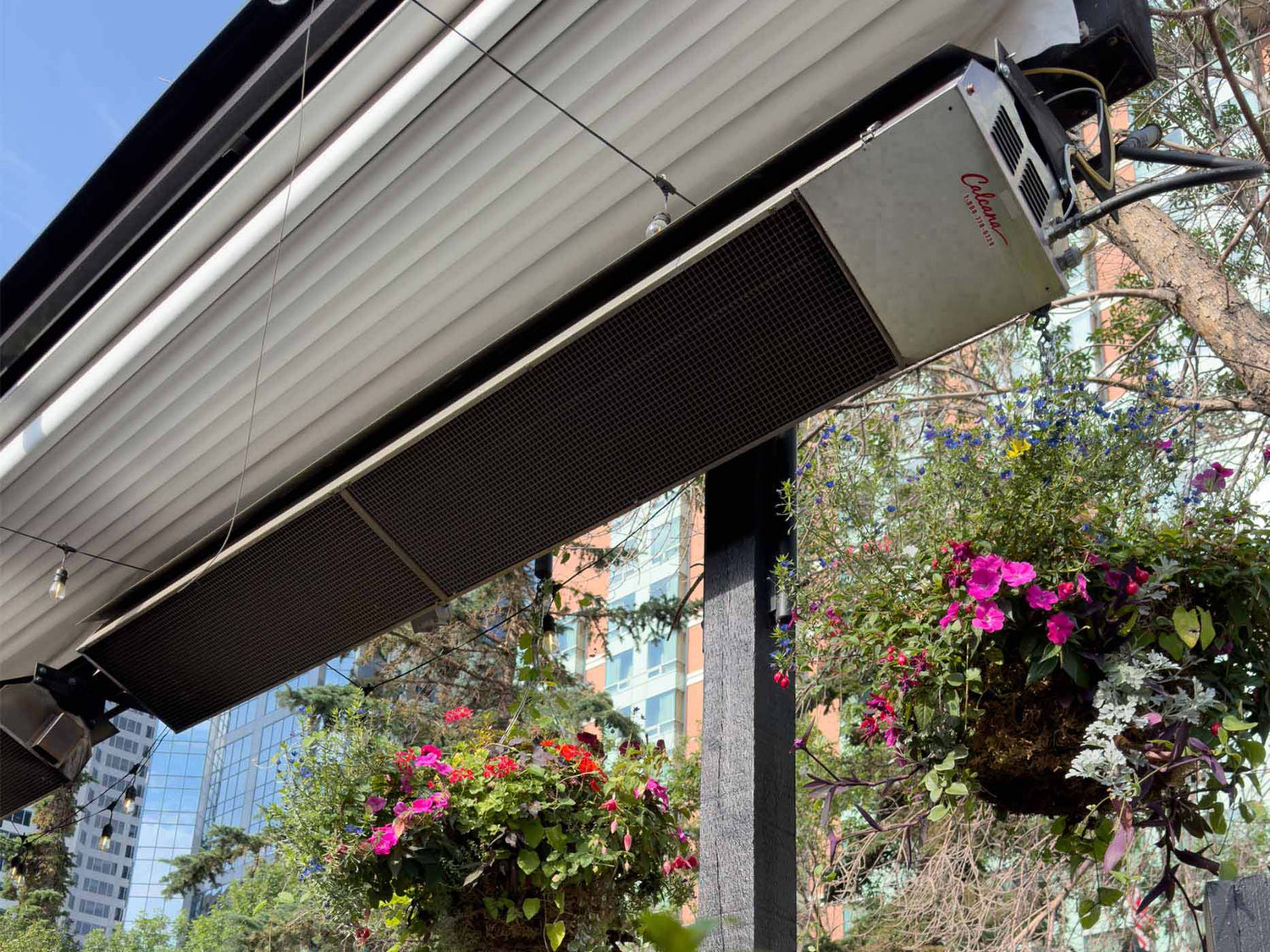
When your infrared heater works hard throughout the colder months, dust, dirt, debris, and other contaminants can gradually accumulate on its exterior and internal components. Although infrared heaters are designed for dependable operation in demanding residential, commercial, and industrial environments, regular cleaning is an important part of keeping the equipment operating efficiently.
Learning how to clean your heater properly can help maintain heat output, protect important components, and identify potential problems before they become more serious. However, cleaning an infrared heater is not simply a matter of wiping down the entire unit. Different components require different approaches, and some areas should only be serviced by a qualified professional.
At Calcana, our infrared heating systems are designed to provide reliable radiant heat for a wide range of applications. Whether you use an infrared heater in a garage, warehouse, manufacturing facility, restaurant, patio, agricultural building, or other space, understanding the basics of heater cleaning can help you get the most from your equipment.
Why Cleaning Your Infrared Heater Matters for Long-Term Performance & Safety
An infrared heater transfers radiant energy directly to people and objects within its heating area. To do this effectively, the heater needs its heating elements, reflectors, housing, and other components to remain in good condition.
Over time, dust and debris can accumulate on the heater. In industrial environments, this buildup may include everything from ordinary dust to sawdust, dirt, grease, fibers, and other airborne materials. Outdoor installations can also be exposed to pollen, leaves, insects, moisture, and environmental debris.
Regular cleaning provides an opportunity to remove this buildup while also inspecting the heater for visible signs of wear or damage. Instead of waiting until the heater stops producing adequate heat, routine cleaning allows you to take a proactive approach to maintenance.
Just as importantly, keeping the surrounding area clean can reduce the amount of material that reaches the heater in the first place. A well-maintained heating system works best when it is installed and operated in an environment appropriate for its design.
Turn the Heater Off Before Cleaning
Before cleaning any infrared heater, safety should come first.
Turn the heater off and allow it to cool completely before beginning any cleaning procedure. Never attempt to wipe, brush, inspect closely, or otherwise handle hot components while the heater is operating.
For permanently installed equipment, follow the manufacturer's instructions for shutting down and isolating the heater. If electrical power or gas needs to be disconnected as part of the maintenance procedure, follow the appropriate manufacturer's requirements and applicable safety procedures.
The exact shutdown process can vary depending on the type of infrared heater you have. Electric infrared heaters and gas-fired infrared heaters have different components and maintenance requirements, so it is important to consult the product documentation for your specific model.
Once the heater has been shut down, give the components sufficient time to cool. Some surfaces can remain hot for a considerable period after operation stops.
This simple step is one of the most important parts of learning how to clean a heater safely.
Start With a Visual Inspection
Before reaching for a cleaning tool, take a few minutes to inspect the heater.
Look at the exterior housing, mounting hardware, visible wiring, reflectors, heating elements, and surrounding area. You're looking for obvious signs of damage or abnormal conditions that should be addressed before the heater is placed back into service.
Pay attention to:
-
Cracks or damage to the housing
-
Loose mounting hardware
-
Discoloration
-
Corrosion or rust
-
Damaged wiring
-
Accumulated dust or debris
-
Obstructions around vents or openings
-
Damaged reflectors
-
Signs of overheating
-
Unusual buildup around components
If you notice something that appears damaged, don't assume that cleaning will solve the problem.
A cleaning routine is not a substitute for professional inspection or repair. If a component appears damaged or you're unsure whether the heater is safe to operate, contact a qualified technician or the manufacturer for guidance.
Remove Loose Dust & Debris
Once the heater is cool and you've completed the initial inspection, begin by removing loose dust and debris.
A soft brush can be useful for gently removing dust from accessible surfaces. A vacuum equipped with an appropriate brush attachment can also help collect loose debris without pushing it deeper into the heater.
Avoid aggressive scrubbing. Infrared heating components can be durable, but that doesn't mean every component should be treated like a hard industrial surface.
The goal is to remove accumulated material without damaging the heater.
Work slowly around sensitive components, particularly heating elements, wiring, connections, reflectors, and other areas identified by the manufacturer as requiring special care.
If the heater is installed in a warehouse or manufacturing facility, consider the type of material accumulating on it. Ordinary dust may be relatively easy to remove, while grease, oil, chemical residue, or combustible dust may require specialized cleaning procedures.
If you aren't certain how to safely remove a particular contaminant, consult a qualified professional.
Cleaning the Exterior Housing
The exterior housing is generally one of the easiest parts of an infrared heater to clean.
After the unit has cooled, use a soft, dry or appropriately damp cloth according to the manufacturer's instructions to remove dust and surface grime. Avoid saturating the heater with water.
For commercial and industrial installations, exterior surfaces can accumulate considerable amounts of dust over time. Cleaning the housing regularly prevents this buildup from becoming a larger maintenance issue.
Don't use abrasive cleaning materials unless the manufacturer specifically recommends them. Harsh chemicals or abrasive pads can damage finishes, labels, coatings, or other surfaces.
If your heater is installed outdoors, pay particular attention to environmental buildup. Outdoor units may accumulate pollen, insects, leaves, dirt, and other debris more quickly than indoor equipment.
A regular exterior cleaning schedule can keep the heater looking cleaner while making it easier to spot potential problems.
Clean the Reflector Carefully
The reflector is an important component of many infrared heating systems because it helps direct radiant heat toward the intended area.
If dust or other debris accumulates on the reflector, it can affect how efficiently radiant energy is directed into the space.
Clean the reflector according to the manufacturer's recommendations. In many cases, loose dust can be removed with a soft cloth or brush.
Be careful not to bend, scratch, or otherwise damage the reflector.
This is particularly important for commercial and industrial heaters that may be mounted high above the floor. If the reflector is difficult to access safely, don't improvise with ladders, makeshift platforms, or other unsafe equipment.
Instead, use the appropriate access equipment and follow your facility's safety procedures, or have qualified personnel perform the maintenance.
Keep Heating Elements Free of Debris
The heating element is one of the most important components of an infrared heater.
Depending on the technology used, infrared heating systems can use different types of heating elements and configurations. Because these components can be delicate or operate at high temperatures, cleaning them requires care.
Never scrape a heating element aggressively or use a tool that could damage its surface.
Use only cleaning methods approved by the manufacturer. If the heating element is difficult to access or appears damaged, professional service may be appropriate.
A buildup of dust may be relatively easy to remove, but signs of cracking, discoloration, physical damage, or unusual wear should not simply be cleaned and ignored.
Cleaning should also be viewed as an inspection opportunity. If you see something unusual, document it and determine whether the heater needs professional attention before returning it to service.
Keep Vents & Openings Clear
Proper airflow and ventilation are important to the safe operation of many heating systems.
Check accessible vents, openings, and surrounding areas for dust, dirt, cobwebs, leaves, or other obstructions. Remove loose material carefully without pushing it farther into the heater.
Outdoor heaters may require more frequent attention because wind can carry debris toward the equipment.
Industrial environments may also create unusual maintenance challenges. Warehouses, workshops, manufacturing facilities, and agricultural buildings can contain significant amounts of airborne material.
Your cleaning schedule should reflect the conditions around the heater rather than relying solely on a generic calendar.
If your facility generates substantial dust or debris, inspect heating equipment more frequently.
Don't Spray Water Directly Onto the Heater
One of the easiest mistakes to make when cleaning equipment is assuming that more water means better cleaning.
It doesn't.
Infrared heaters contain electrical, mechanical, and, depending on the system, gas-related components that should not be exposed to unnecessary moisture.
Avoid spraying the heater directly with a hose, pressure washer, spray bottle, or other water source unless the manufacturer specifically states that the equipment is designed for that cleaning method.
Instead, use cleaning methods specifically approved for the heater.
This is particularly important for outdoor installations. Even though certain infrared heaters are designed for outdoor applications, outdoor-rated equipment isn't automatically designed to withstand every cleaning method.
Weather resistance and pressure-washing compatibility are two different things.
Cleaning Outdoor Infrared Heaters
Outdoor heaters face environmental conditions that indoor heaters generally don't encounter.
Rain, snow, wind, pollen, insects, dust, leaves, and temperature fluctuations can all contribute to buildup.
Patio heaters installed at restaurants, hotels, entertainment venues, and residential properties may operate in environments where airborne debris is common.
Start outdoor heater cleaning by inspecting the surrounding area. Remove leaves and other loose debris from around the unit, then inspect the heater itself after it has been turned off and cooled.
Look for:
-
Leaves and plant material
-
Cobwebs
-
Insects
-
Dirt
-
Pollen
-
Bird debris
-
Moisture accumulation
-
Corrosion
-
Damaged mounting hardware
Do not operate a heater if its condition raises safety concerns.
For heaters installed in areas exposed to severe weather, follow the manufacturer's recommendations regarding storage, covers, weather exposure, and seasonal maintenance.
Cleaning Industrial Infrared Heaters
Industrial environments require a more structured maintenance approach.
A heater operating in a clean commercial space may only accumulate a modest amount of dust. A heater installed in a manufacturing facility, warehouse, agricultural operation, or workshop may be exposed to much greater levels of airborne material.
This means industrial facilities should establish cleaning schedules based on actual operating conditions.
For example, a woodworking facility may need to pay particular attention to dust accumulation. A warehouse may deal primarily with ordinary dust and cardboard particles. An agricultural building may experience hay, straw, dirt, and other airborne materials.
The same cleaning frequency won't necessarily work for every environment.
Facility managers should inspect equipment regularly and adjust maintenance intervals based on what they observe.
Pay Attention to Combustion & Venting Components
Gas-fired infrared heaters have additional components that require attention.
Unlike an electric infrared heater, a gas-fired system uses fuel and combustion to generate radiant heat. Proper installation, combustion, venting, and maintenance are therefore especially important.
Never attempt to modify combustion components, gas connections, burners, or venting systems unless you are appropriately qualified and authorized to do so.
During a routine cleaning inspection, look for visible obstructions, damage, or unusual buildup around accessible areas. If you notice anything unusual involving gas connections, combustion components, or venting, contact a qualified professional.
Never use cleaning as an excuse to disassemble components that the manufacturer doesn't identify as user-serviceable.
Create a Seasonal Cleaning Schedule
One of the best ways to keep your infrared heater clean is to make cleaning part of your regular maintenance schedule.
For many facilities, a detailed inspection before the heating season is an excellent starting point.
Before winter arrives, inspect the entire system and remove accumulated dust and debris. This allows you to identify problems before the heater becomes essential to daily operations.
During the heating season, perform additional inspections based on operating conditions.
A facility using heaters every day in a dusty environment may need much more frequent cleaning than a residential garage where the heater operates occasionally.
At the end of the heating season, perform another inspection and clean the heater before it sits unused for an extended period.
This approach creates three useful maintenance opportunities:
Before the season: Prepare the heater for regular operation.
During the season: Monitor buildup and identify emerging problems.
After the season: Clean and inspect the equipment before storage or reduced use.
How Often Should You Clean an Infrared Heater?
There isn't one universal cleaning schedule for every infrared heater.
The appropriate frequency depends on several factors, including:
-
How often the heater operates
-
Indoor versus outdoor installation
-
Amount of dust in the environment
-
Presence of grease or other contaminants
-
Industrial versus residential use
-
Seasonal conditions
-
Manufacturer recommendations
-
Local operating conditions
Instead of waiting for visible buildup to become severe, inspect the heater regularly.
If you notice significant dust accumulating after only a short period, increase the frequency of your inspections.
Preventative maintenance is generally easier than dealing with a heater that has already developed a performance or safety problem.
Common Heater-Cleaning Mistakes To Avoid
Knowing what not to do is just as important as knowing how to clean your heater.
One common mistake is cleaning the heater while it's still hot. This creates an unnecessary burn hazard and can potentially damage components.
Another mistake is using excessive force. Infrared heating systems contain components that can be damaged by aggressive brushing, scraping, or wiping.
Using inappropriate chemicals is another potential problem. Household cleaners aren't automatically appropriate for heating equipment.
Avoid spraying water directly onto the unit unless specifically permitted by the manufacturer.
Finally, don't disassemble components simply because you can't clean them easily. If an area requires specialized access or technical knowledge, have it serviced by a qualified professional.
Cleaning Is Part of a Larger Maintenance Strategy
Cleaning your infrared heater is important, but it shouldn't be the only maintenance task on your checklist.
A complete maintenance strategy should also include inspecting mounting hardware, checking accessible wiring and connections where appropriate, confirming that clearances remain adequate, and looking for signs of wear or damage.
For gas-fired systems, professional inspection of combustion and venting components may also be necessary according to the manufacturer's recommendations and applicable requirements.
Think of cleaning as one part of a larger system-maintenance routine.
A clean heater can still be unsafe if it's improperly mounted. A properly mounted heater can still perform poorly if its components are damaged. A well-maintained unit can still encounter problems if its surrounding environment changes.
Regular inspections help you identify these issues before they become larger problems.
Follow the Manufacturer's Instructions
Every infrared heater is different.
Although general cleaning principles can help you understand the process, the manufacturer's documentation should always take priority when it comes to your specific equipment.
The manual should explain which components can be cleaned by the owner or operator, which cleaning methods are appropriate, and which maintenance tasks require professional service.
If you've misplaced your physical manual, check whether the manufacturer provides digital documentation.
At Calcana, product-specific information can help customers understand their heating equipment and accessories. When you're unsure about how to clean or maintain a particular component, reaching out to the manufacturer or a qualified technician is preferable to guessing.
Keep Your Infrared Heater Performing at Its Best
Learning how to clean your infrared heater doesn't have to be complicated. The most important principles are straightforward: shut the unit down, allow it to cool, inspect it carefully, remove dust and debris using approved methods, keep vents and surrounding areas clear, and address damage promptly.
Regular cleaning is especially important for heaters operating in dusty industrial environments or exposed outdoor locations. By making cleaning part of a broader maintenance routine, you can help preserve performance, identify problems earlier, and keep your heating system ready when you need it.
Whether you're heating a warehouse, manufacturing facility, garage, restaurant patio, agricultural space, or another demanding environment, the right maintenance practices can make a meaningful difference.
Calcana provides infrared heating solutions designed for commercial, industrial, agricultural, and other demanding applications. From infrared heaters to mounting kits and accessories, our products are built to help businesses create comfortable and functional spaces throughout the heating season.
If you're looking for a reliable infrared heating solution or need help determining the right equipment for your application, Contact Calcana to learn more about our heating systems and accessories.

Leave a comment
This site is protected by hCaptcha and the hCaptcha Privacy Policy and Terms of Service apply.