
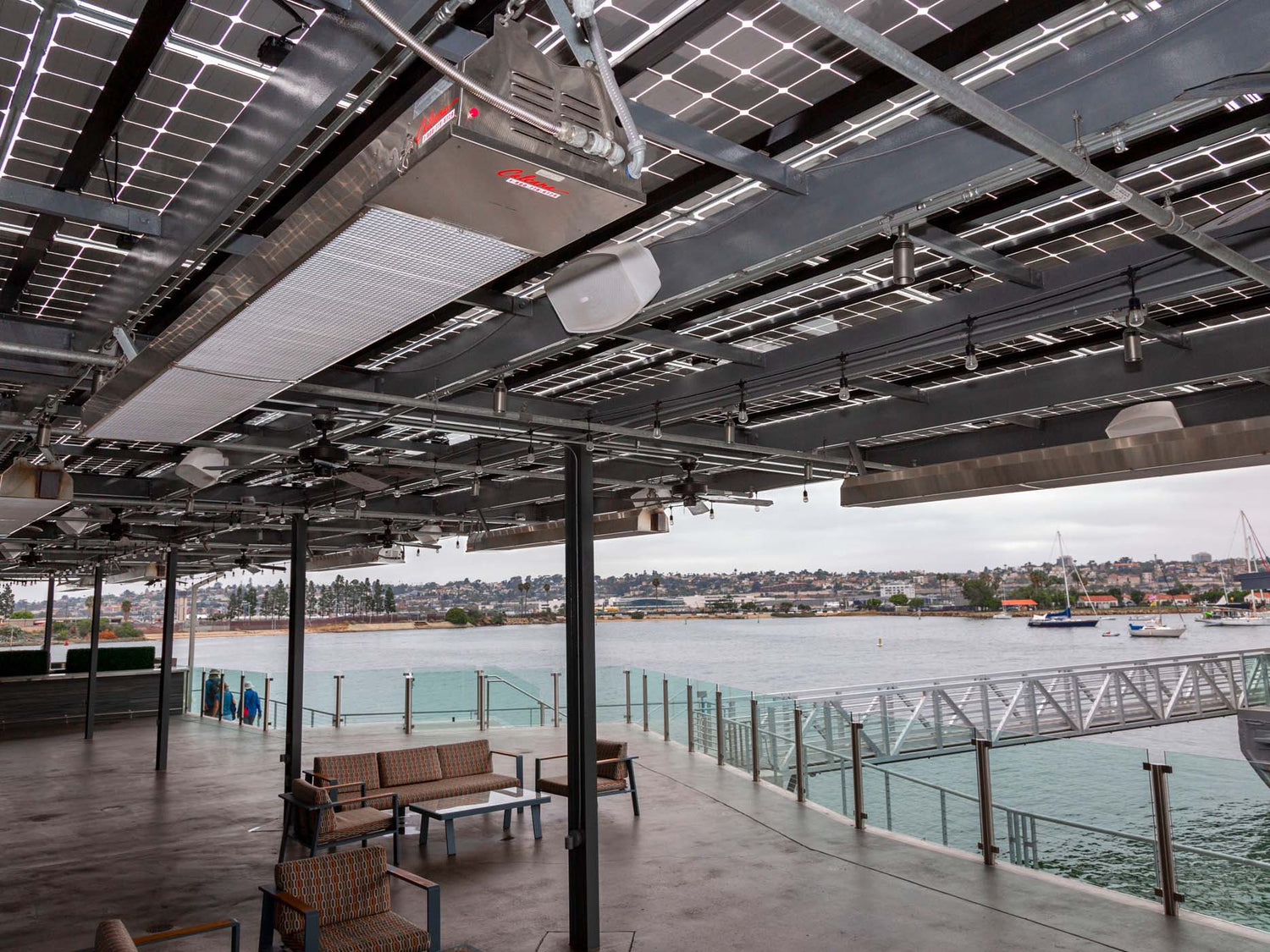
Whether you're heating a restaurant patio near the coast, a covered outdoor lounge, a warehouse, a garage, or a residential outdoor living space, humidity and moisture are always factors worth considering. Many property owners wonder whether infrared heaters dry out the air, create humidity issues, struggle in damp environments, or require special protection from moisture.
Fortunately, infrared heating technology operates very differently from traditional forced-air systems. Instead of heating the air itself, infrared heaters warm people, surfaces, and objects directly. This unique heating method not only improves comfort and efficiency but also affects air quality and humidity differently than many conventional heating systems.
Understanding how infrared heaters interact with air moisture, humidity levels, and damp environments can help property owners choose the right heating solution for their space. Whether you're operating a waterfront restaurant, managing a hotel patio, or creating a comfortable backyard gathering area, infrared heaters offer several advantages when humidity and air quality are concerns.
To understand how infrared heaters affect humidity and air quality, it helps to first understand how they generate heat.
Traditional heating systems often rely on convection. Convection heaters warm the surrounding air, which then circulates throughout the space. As warm air rises and cooler air falls, the heated air continues moving around the room.
Infrared heaters work differently.
Rather than heating the air, infrared heaters emit radiant energy that travels through the air until it reaches a solid object. Floors, furniture, walls, equipment, and people absorb this energy and convert it into heat.
This process is similar to the way sunlight warms your skin on a cool day. Even if the surrounding air feels cold, direct radiant energy creates warmth immediately.
Because infrared systems focus on heating objects rather than air, they avoid many of the challenges associated with conventional heating methods.
Why Humidity Matters in Heated Spaces & How It Affects Comfort, Air Quality, & Heating Performance
Humidity refers to the amount of moisture present in the air. Maintaining appropriate humidity levels is important for comfort, health, equipment protection, and building performance.
Excessively high humidity can create several problems:
-
Condensation on surfaces
-
Mold and mildew growth
-
Corrosion of metal components
-
Damage to building materials
-
Reduced comfort levels
At the same time, excessively low humidity can create its own challenges:
-
Dry skin
-
Irritated eyes
-
Respiratory discomfort
-
Static electricity
-
Damage to wood furnishings
Many traditional heating systems unintentionally affect indoor humidity levels. Understanding how infrared heating differs can help property owners make informed decisions.
Do Infrared Heaters Dry Out the Air?
One of the most common misconceptions about infrared heating is that it dries out the air.
In reality, infrared heaters have very little direct impact on humidity levels.
Because infrared systems do not heat and circulate large volumes of air, they do not remove moisture from the environment. Instead, they transfer heat directly to surfaces and occupants.
Forced-air furnaces often create the sensation of dry air because they continuously heat and move air throughout a building. This circulation can lower relative humidity and increase evaporation from skin and surfaces.
Infrared heaters generally avoid this issue.
Many people actually find radiant heating more comfortable because the air feels more natural and less dry compared to spaces heated by traditional forced-air systems.
Understanding Relative Humidity
To fully understand how infrared heaters affect moisture, it's important to understand relative humidity.
Relative humidity measures how much moisture is present in the air compared to the maximum amount the air can hold at a specific temperature.
When air warms up, its capacity to hold moisture increases. Even if the actual amount of water vapor remains unchanged, warming the space can lower relative humidity percentages.
This means that some users may notice a slight reduction in relative humidity when operating any heating system, including infrared heaters. However, the change is typically less dramatic than with convection-based heating systems because infrared heaters primarily warm objects rather than the surrounding air.
How Infrared Heaters Affect Air Quality
Air quality has become an increasingly important consideration for both residential and commercial property owners.
Restaurants, hotels, warehouses, garages, workshops, and residential spaces all benefit from cleaner indoor and outdoor environments.
Infrared heating offers several advantages when it comes to maintaining air quality.
Reduced Air Movement
One of the biggest contributors to poor indoor air quality is the circulation of dust, allergens, and airborne particles.
Traditional forced-air systems rely on blowers and ductwork to move heated air throughout a space. This constant movement can stir up:
-
Dust
-
Pollen
-
Pet dander
-
Dirt particles
-
Mold spores
Infrared heaters do not require fans or blowers to distribute heat.
As a result, significantly less airborne debris is circulated throughout the environment.
This creates a cleaner and often more comfortable atmosphere.
Reduced Dust Accumulation
Since infrared heating minimizes air movement, dust accumulation can also be reduced in certain environments.
Warehouses, garages, workshops, and industrial facilities often appreciate this benefit because airborne dust can impact equipment, products, and employee comfort.
Improved Comfort for Occupants
Many people report feeling more comfortable in spaces heated by radiant systems because there are fewer drafts and less air movement.
The heat feels natural and evenly distributed rather than concentrated around vents or air registers.
Do Infrared Heaters Work in Damp Environments?
Yes. Infrared heaters are often exceptionally well-suited for damp or humid environments.
In fact, many outdoor applications specifically benefit from infrared heating because humidity has less impact on radiant heat transfer than it does on convection heating.
This is one reason infrared heaters are commonly used in:
-
Restaurant patios
-
Coastal properties
-
Covered outdoor lounges
-
Poolside seating areas
-
Hotel courtyards
-
Industrial facilities
-
Warehouses
-
Semi-enclosed outdoor spaces
Why Radiant Heat Performs Well in Humidity
Humidity can make traditional heating systems less effective because moist air absorbs and transfers heat differently than dry air.
Since infrared heaters warm surfaces directly, they bypass many of these challenges.
The radiant energy passes through humid air and warms the intended targets efficiently.
This allows occupants to feel comfortable even when moisture levels are elevated.
Infrared Heaters for Coastal Environments
Coastal properties present unique heating challenges.
Oceanfront restaurants, resorts, and residential patios often experience:
-
High humidity
-
Salt-laden air
-
Frequent fog
-
Moisture exposure
-
Wind
Infrared heaters are frequently chosen for these environments because radiant heat remains effective despite changing weather conditions.
However, equipment protection becomes especially important in coastal locations.
Salt and moisture can accelerate corrosion if heaters are not designed for these conditions.
This is why high-quality stainless steel construction and corrosion-resistant materials are critical for long-term performance.
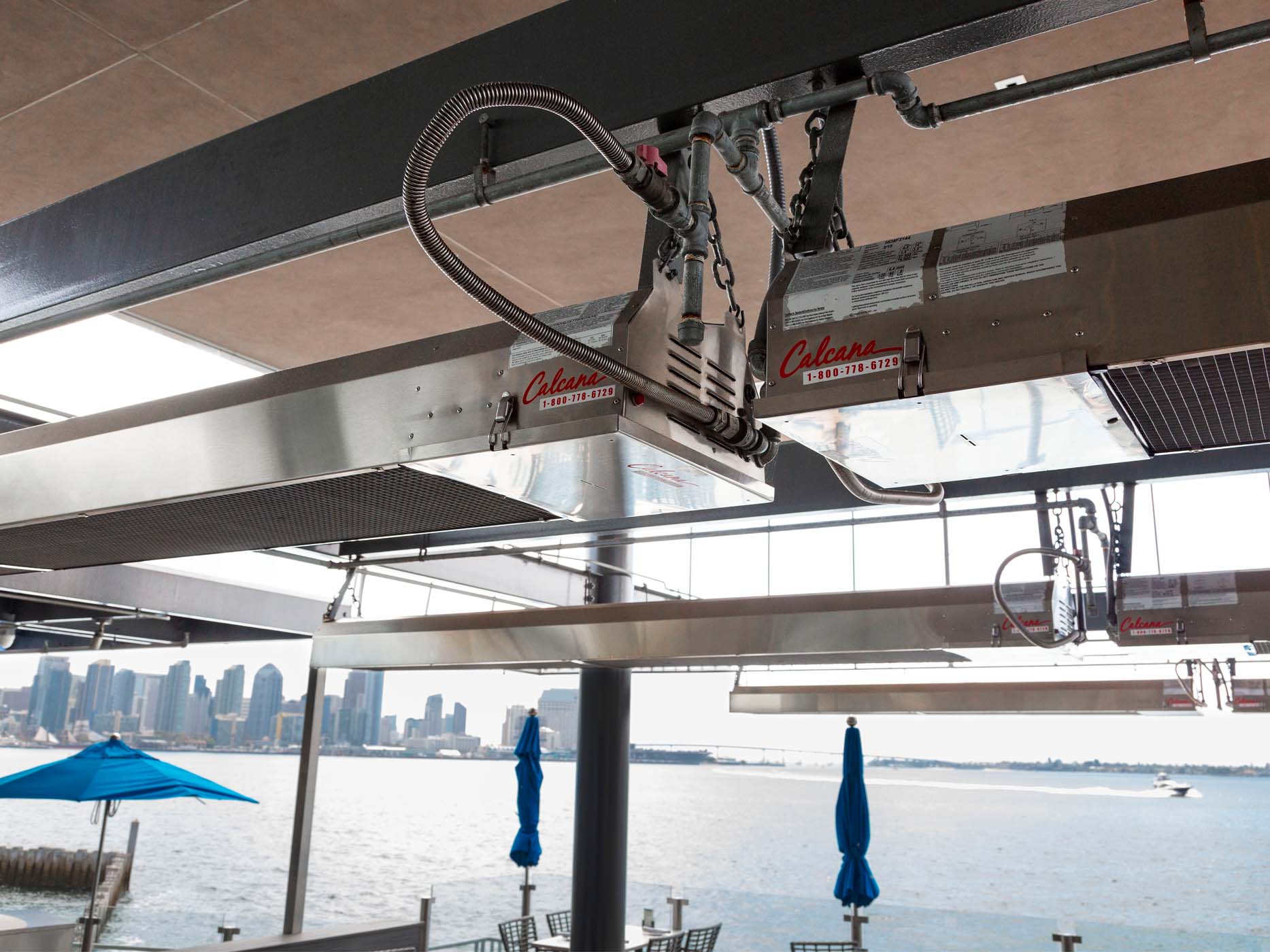
How Moisture Impacts Outdoor Heating Equipment
Although humidity itself does not significantly reduce infrared heating effectiveness, moisture can affect equipment over time.
Potential issues include:
Corrosion
Moisture exposure can accelerate rust and oxidation on metal components.
Electrical Damage
Water intrusion may affect electrical connections if heaters are not properly protected.
Reduced Component Lifespan
Repeated exposure to moisture may shorten the lifespan of certain hardware if maintenance is neglected.
Fortunately, these risks can be minimized through proper installation and maintenance.
How Infrared Heaters Can Help Reduce Dampness Perception
While infrared heaters do not actively remove moisture from the air like a dehumidifier, they can make damp environments feel significantly more comfortable.
This occurs because radiant heat warms surfaces directly.
Cold surfaces often create the sensation of dampness.
When walls, floors, furniture, and occupants absorb infrared energy, the space feels warmer and less clammy even if humidity levels remain unchanged.
This is one reason infrared heating is so popular in:
-
Covered patios
-
Outdoor dining areas
-
Garages
-
Workshops
-
Warehouses
-
Sunrooms
Protecting Infrared Heaters From Moisture
While infrared heaters can operate effectively in humid environments, proper protection ensures maximum longevity.
Choose Weather-Resistant Equipment
Always select heaters specifically designed for outdoor or humid applications.
High-quality outdoor infrared heaters are engineered to withstand environmental exposure.
Use Corrosion-Resistant Materials
Stainless steel and marine-grade stainless steel offer excellent resistance to moisture-related deterioration.
These materials perform particularly well in coastal regions.
Install Under Covered Areas
Whenever possible, install heaters beneath:
-
Awnings
-
Pergolas
-
Roof overhangs
-
Covered patios
This reduces direct exposure to rain and standing moisture.
Maintain Proper Clearance
Adequate clearance promotes airflow around the heater and prevents moisture accumulation.
Follow manufacturer recommendations for installation.
Routine Maintenance for Humid Climates
Regular maintenance is especially important in humid environments.
Inspect Frequently
Check for:
-
Rust
-
Corrosion
-
Loose hardware
-
Water intrusion
-
Damaged wiring
Clean Surfaces
Remove dirt, salt deposits, and moisture buildup regularly.
A simple cleaning schedule can dramatically extend equipment life.
Examine Electrical Components
Verify that electrical connections remain secure and protected from moisture exposure.
Schedule Professional Inspections
Annual servicing helps identify hidden issues before they become expensive repairs.
Humidity Considerations for Commercial Spaces
Commercial operators often have unique concerns regarding humidity and heating.
Restaurants, hotels, breweries, wineries, and event venues frequently rely on outdoor heating systems to maximize seating capacity.
Infrared heaters offer several advantages:
Improved Guest Comfort
Guests remain comfortable without excessive air movement.
Better Outdoor Usability
Patios remain inviting despite changing weather conditions.
Lower Energy Waste
Heat stays focused where people gather.
Consistent Performance
Humidity has minimal impact on heating effectiveness.
These benefits help businesses extend patio seasons and improve customer experiences.
Humidity Considerations for Residential Spaces
Homeowners often ask whether infrared heaters are suitable for:
-
Garages
-
Covered patios
-
Gazebos
-
Outdoor kitchens
-
Workshops
The answer is generally yes.
Because radiant heat directly warms occupants and surfaces, homeowners enjoy comfortable warmth without drying out the surrounding air.
Many users find this creates a more pleasant environment than traditional forced-air heating.
Common Myths About Infrared Heating and Moisture
Myth: Infrared Heaters Remove Humidity
Infrared heaters do not function as dehumidifiers.
They provide heat but do not actively remove water vapor from the air.
Myth: Humidity Makes Infrared Heaters Ineffective
Radiant heat remains highly effective in humid environments.
This is one reason infrared heating is widely used outdoors.
Myth: Infrared Heaters Cause Mold Growth
Infrared heaters do not create moisture.
In fact, warming surfaces can sometimes help reduce condensation that contributes to mold issues.
Myth: Outdoor Humidity Damages All Infrared Heaters
Properly designed outdoor infrared heaters are built to withstand moisture exposure when installed and maintained correctly.
Why Infrared Heating Is Ideal for Challenging Outdoor Environments
Outdoor spaces are rarely perfect. Wind, humidity, moisture, and fluctuating temperatures all create challenges for traditional heating systems.
Infrared heaters overcome many of these obstacles because they focus on warming people and objects directly rather than wasting energy heating large volumes of air.
Whether you're operating a waterfront restaurant, managing a resort patio, heating a warehouse loading area, or creating a comfortable backyard retreat, infrared technology delivers efficient and reliable warmth in a wide range of environmental conditions.
Experience Comfortable Heating Regardless of Humidity
Humidity, dampness, and coastal conditions do not have to limit the effectiveness of your outdoor heating system. Unlike traditional heating methods, infrared heaters maintain comfort without significantly affecting air quality or drying out the environment.
By choosing high-quality heating equipment, following proper installation practices, and performing regular maintenance, property owners can enjoy dependable performance even in challenging humid environments.
Calcana infrared heaters are designed to deliver powerful, efficient radiant heat for both residential and commercial applications. Whether you're heating a restaurant patio, hotel courtyard, garage, warehouse, or outdoor living area, Calcana provides reliable solutions that help maximize comfort while standing up to the demands of real-world environments.
With the right infrared heating system, you can create a warm, inviting space that performs effectively through humidity, moisture, changing weather conditions, and every season of the year.
Leave a comment
This site is protected by hCaptcha and the hCaptcha Privacy Policy and Terms of Service apply.