
Sporting facilities face a unique challenge when it comes to heating. Unlike traditional commercial buildings, sports venues must maintain comfortable temperatures for athletes, spectators, coaches, and staff while preserving the integrity of the game itself. Whether it’s a pickleball facility, indoor tennis court, golf driving range, hockey arena, soccer complex, or multi-sport training center, the heating system can directly influence player performance, facility operating costs, and the overall customer experience.
For decades, many sporting facilities have relied on forced-air heating systems to warm large indoor and semi-outdoor spaces. While these systems are common, they often create unintended consequences that impact gameplay and comfort. Air movement generated by large heating units can alter ball flight, create uneven temperatures, increase energy consumption, and reduce the overall quality of the playing environment.
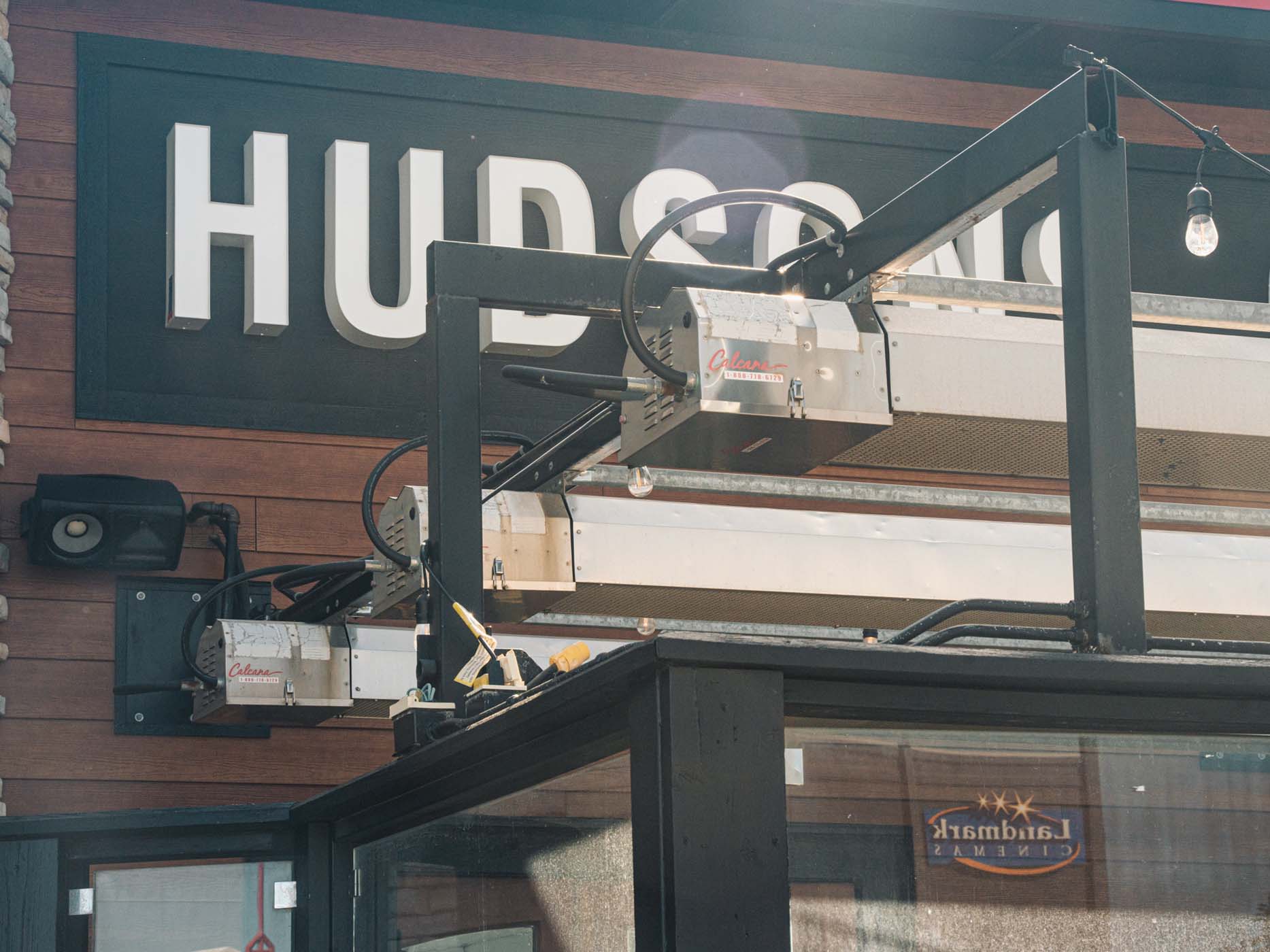
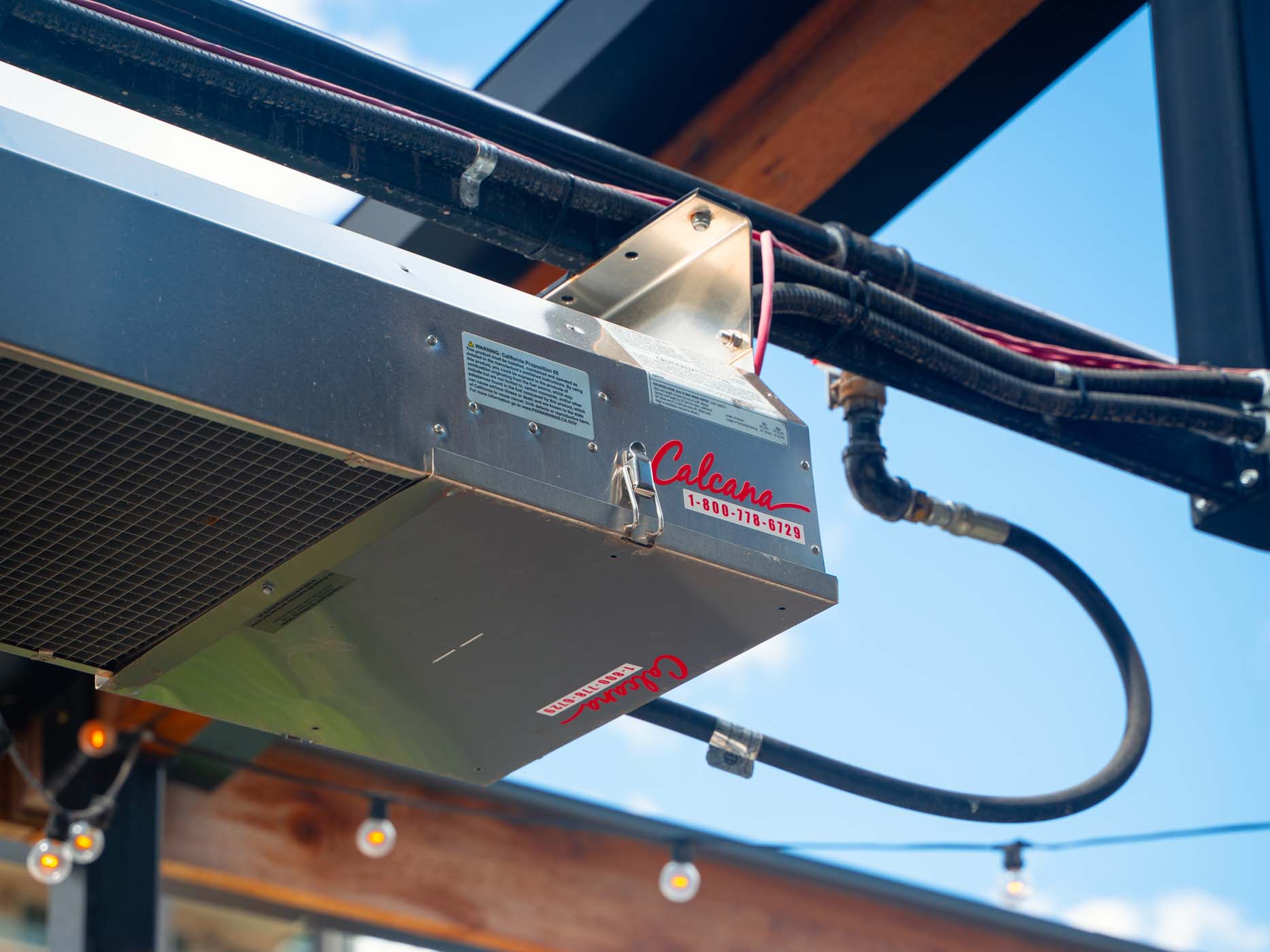
Infrared heating offers a different approach. Rather than heating the air, infrared heaters warm players, spectators, surfaces, and equipment directly. This creates a more comfortable environment without introducing disruptive air currents that can interfere with sports performance.
As sporting facilities continue to evolve and customer expectations increase, many owners and operators are discovering why infrared heating has become the preferred solution for modern sports venues.
Why Heating Matters in Sporting Facilities: Creating Comfortable Playing Conditions, Improving Performance, & Enhancing the Experience for Athletes and Spectators Year-Round
Temperature plays a major role in athletic performance. Athletes perform best when muscles remain warm, reaction times stay sharp, and playing conditions remain consistent.
Cold environments can negatively impact:
-
Muscle flexibility
-
Player comfort
-
Injury risk
-
Ball performance
-
Grip and equipment handling
-
Spectator satisfaction
-
Facility utilization rates
For facilities located in northern climates, heating becomes even more critical. Operators often struggle to keep large spaces comfortable during fall, winter, and early spring without significantly increasing utility costs.
The challenge becomes even greater when facilities feature:
-
High ceilings
-
Large open floor plans
-
Frequent door openings
-
Semi-outdoor environments
-
Constant occupancy fluctuations
These characteristics make traditional forced-air heating particularly inefficient.
Understanding How Forced-Air Heating Works
Forced-air heating systems warm a facility by heating air and distributing it through ducts, vents, or large blower units.
The process typically involves:
-
Heating air through a furnace or heating unit
-
Using fans to circulate warm air
-
Pushing heated air throughout the building
-
Attempting to maintain a target temperature
While this method works reasonably well in office buildings and small commercial spaces, sports facilities present a completely different environment.
The larger the space becomes, the harder it becomes to distribute warm air effectively.
The Problem With Air Movement in Sports Facilities
One of the biggest drawbacks of forced-air heating is the constant movement of air.
In many sports, even small air currents can influence gameplay.
Professional athletes train extensively to control speed, spin, trajectory, and accuracy. When heating systems introduce unpredictable airflow, they can alter performance and create inconsistent playing conditions.
This is particularly problematic in facilities hosting competitive or professional-level sports.
Pickleball Facilities: The Growing Concern
Few sports demonstrate the shortcomings of forced-air heating more clearly than pickleball.
Pickleball has become one of the fastest-growing sports in North America. Competitive players demand consistent conditions because the lightweight plastic ball is extremely sensitive to air movement.
Unlike heavier tennis balls, pickleballs can be influenced by surprisingly small drafts.
Forced-air heating systems can create:
-
Ball drift
-
Unpredictable flight paths
-
Altered spin characteristics
-
Inconsistent serves
-
Difficulty with dinks and drop shots
Professional pickleball facilities frequently invest significant resources into controlling air movement because players immediately notice even minor changes in ball behavior.
A player may execute the same shot repeatedly, yet experience different results because heated air is circulating across the court.
For competitive play, this creates frustration and can compromise match quality.
Infrared heating eliminates this issue because there is no need to move heated air throughout the facility.
Tennis Courts Face Similar Challenges
Indoor tennis facilities experience many of the same problems.
Tennis players rely on consistency when hitting:
-
Serves
-
Volleys
-
Groundstrokes
-
Lobs
-
Slice shots
Large forced-air units often generate airflow patterns that influence ball movement, particularly near ceilings or along court edges.
Players frequently report:
-
Floating balls
-
Altered spin
-
Uneven court conditions
-
Temperature inconsistencies
Competitive tennis facilities strive to create predictable environments where players can focus solely on their performance.
Infrared heating helps achieve this goal by delivering warmth without introducing disruptive air circulation.
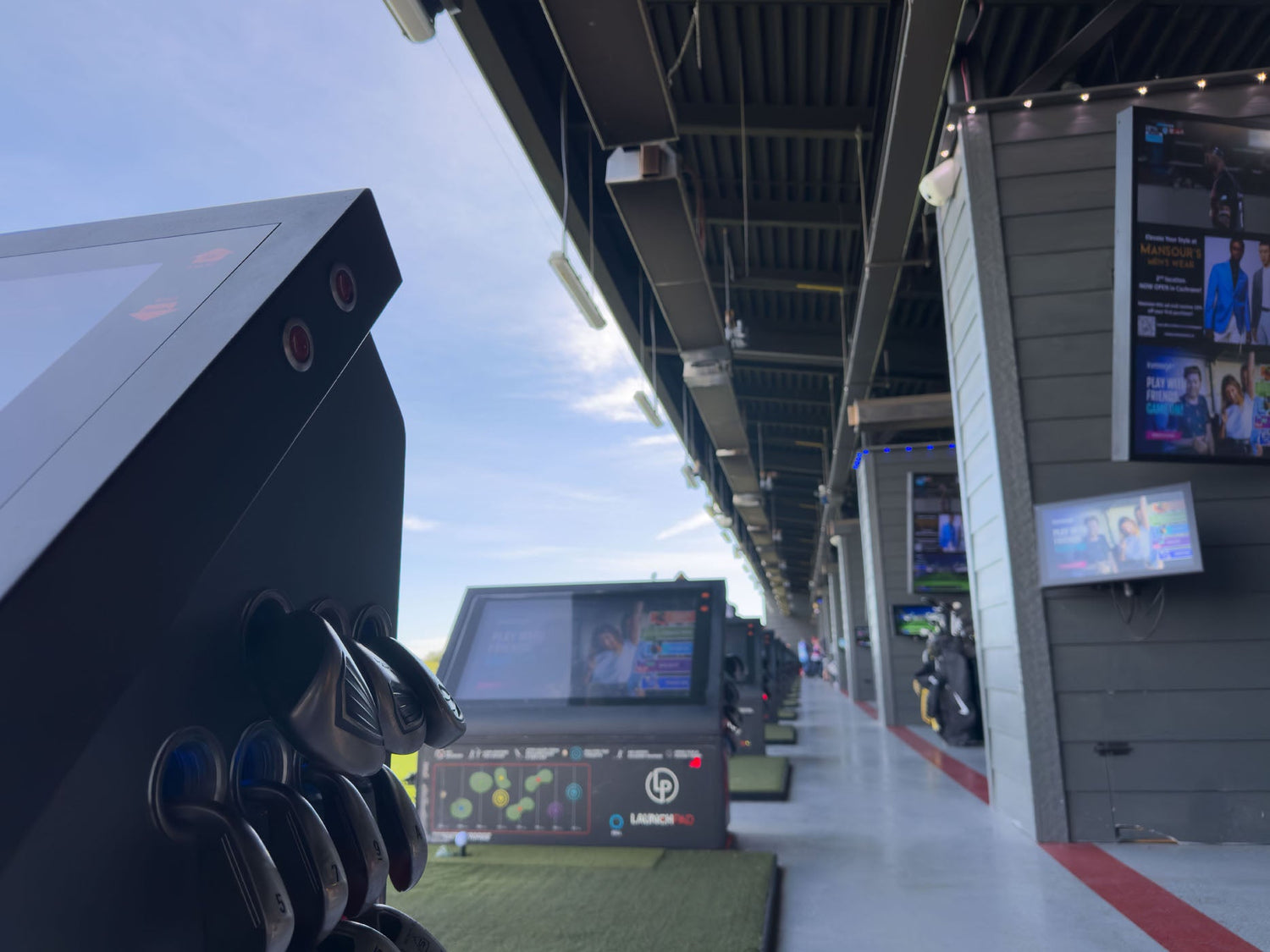
Golf Driving Ranges & Simulator Facilities
Golf facilities present another unique heating challenge.
Modern golf ranges often feature:
-
Open-air hitting bays
-
High ceilings
-
Large overhead doors
-
Significant exposure to outdoor temperatures
Traditional heating systems struggle to maintain comfort because warm air quickly escapes.
This results in:
-
High energy costs
-
Uneven temperatures
-
Cold hitting stations
-
Reduced customer satisfaction
Golfers want warmth directed toward them, not warm air trapped near the ceiling.
Infrared heaters excel in these environments because they deliver radiant heat directly to:
-
Golfers
-
Seating areas
-
Hitting bays
-
Equipment
The result is a more comfortable experience without attempting to heat the entire outdoor environment.
Many year-round driving ranges now rely on overhead infrared heating specifically because of its ability to provide localized comfort.
Hockey Arenas Face Unique Heating Challenges
Heating a hockey arena might seem counterintuitive since ice surfaces must remain frozen.
However, arenas still need to keep:
-
Spectators comfortable
-
Players warm on benches
-
Staff productive
-
Concession areas inviting
Forced-air systems often create problems because heated air can rise toward the roof structure while leaving occupants cold.
Additionally, excessive air movement can contribute to:
-
Condensation issues
-
Ice quality concerns
-
Uneven temperatures
Infrared heating allows arenas to target occupied areas while minimizing unnecessary heating of the air above the ice surface.
This improves comfort while helping preserve ice quality.
Soccer & Multi-Sport Facilities
Indoor soccer complexes often feature:
-
Massive open spaces
-
High ceilings
-
Constant player movement
-
Frequent door openings
Traditional heating systems struggle to keep up.
Warm air continuously escapes whenever doors open, causing heating equipment to work harder and consume more energy.
Infrared heating provides direct warmth to players and spectators without requiring the entire air volume to reach a specific temperature.
This targeted approach significantly improves efficiency.
The Issue of Thermal Stratification
One of the most expensive problems caused by forced-air heating is thermal stratification.
This occurs when warm air rises toward the ceiling while cooler air remains near the floor.
In sporting facilities with ceilings 20, 30, or even 50 feet high, operators often pay to heat air that never benefits occupants.
As a result:
-
Players remain cold
-
Spectators remain uncomfortable
-
Energy bills increase
-
Heating systems run longer
Infrared heating largely eliminates this problem because it does not rely on warming air.
Instead, radiant energy travels directly to people and surfaces where heat is actually needed.
Spectator Comfort Matters
Athletes are not the only people affected by facility temperatures.
Parents, coaches, officials, and spectators often spend hours watching events.
If seating areas remain cold, visitors may:
-
Leave early
-
Spend less time at the facility
-
Avoid returning
-
Provide negative reviews
Comfortable spectator areas contribute directly to:
-
Customer satisfaction
-
Facility reputation
-
Revenue generation
-
Event attendance
Infrared heaters can be positioned above seating sections to create comfortable viewing environments without excessive operating costs.
Reduced Energy Consumption
Energy efficiency remains one of the strongest arguments for infrared heating.
Forced-air systems attempt to heat enormous volumes of air.
Sports facilities often lose heated air through:
-
Open doors
-
High ceilings
-
Ventilation systems
-
Building leakage
Infrared heaters focus energy where it produces the greatest benefit.
This targeted heating strategy frequently results in substantial reductions in energy consumption.
For facility owners managing rising utility expenses, these savings can have a meaningful impact on operating budgets.
Faster Warm-Up Times
Forced-air systems often require extended periods to bring large spaces up to temperature.
Facilities may need to start heating hours before activities begin.
Infrared heaters provide near-instant warmth.
Athletes and spectators feel the effects almost immediately because radiant heat reaches people directly rather than waiting for air temperatures to rise.
This allows operators to heat spaces only when necessary.
Improved Athlete Performance
Athletes perform best when muscles remain warm and flexible.
Cold conditions can contribute to:
-
Reduced mobility
-
Increased injury risk
-
Muscle tightness
-
Slower reaction times
Infrared heating creates comfortable playing environments while maintaining consistent conditions across the facility.
This allows athletes to focus on performance rather than temperature discomfort.
Better Air Quality
Forced-air systems continuously circulate:
-
Dust
-
Dirt
-
Allergens
-
Pollen
-
Debris
For athletic facilities, this can affect indoor air quality and create discomfort for players and spectators.
Infrared heating produces warmth without extensive air movement.
This helps reduce airborne particles and contributes to a cleaner environment.
Lower Maintenance Requirements
Large forced-air systems typically require:
-
Duct cleaning
-
Fan maintenance
-
Filter replacement
-
Motor repairs
-
Air balancing
These maintenance requirements add ongoing costs throughout the system's lifespan.
Infrared heating systems generally feature fewer moving components and simpler operation.
This often translates into:
-
Reduced maintenance
-
Lower service costs
-
Improved reliability
-
Longer equipment life
Extending Facility Operating Seasons
Outdoor and semi-outdoor sports facilities benefit significantly from infrared heating.
Examples include:
-
Golf ranges
-
Pickleball courts
-
Tennis facilities
-
Stadium seating
-
Training areas
Without supplemental heat, many of these spaces experience reduced usage during colder months.
Infrared heating helps operators:
-
Extend seasons
-
Increase bookings
-
Improve revenue
-
Maximize facility utilization
Creating Premium Sports Experiences
Modern athletes and customers expect more from sports facilities than ever before.
Comfortable environments influence:
-
Membership retention
-
Event bookings
-
Tournament selection
-
Customer reviews
-
Facility reputation
Premium heating solutions can help facilities distinguish themselves from competitors.
A comfortable spectator area, warm practice environment, or year-round golf range can become a major selling point.
Why More Sports Facilities Are Switching to Infrared
Across North America, sports facility operators are increasingly recognizing the limitations of forced-air heating.
The combination of:
-
Rising energy costs
-
Performance concerns
-
Customer expectations
-
Maintenance expenses
has encouraged many facilities to explore alternatives.
Infrared heating offers a solution that aligns with the unique needs of athletic environments.
Instead of fighting against physics by attempting to heat massive volumes of air, infrared systems deliver warmth directly where it matters most.
The Future of Sports Facility Heating
As sports continue to grow and facilities become more sophisticated, heating systems must evolve as well.
Owners are looking for solutions that:
-
Improve athlete performance
-
Reduce operating costs
-
Enhance customer experiences
-
Support year-round operations
-
Deliver consistent conditions
Infrared heating addresses each of these priorities.
Whether it's preventing ball movement on professional pickleball courts, creating comfortable conditions at golf driving ranges, warming spectators in hockey arenas, or improving efficiency in indoor training centers, targeted infrared technology provides a smarter approach to heating modern sporting facilities.
For facility owners seeking to maximize comfort, performance, and profitability, infrared heating has become one of the most effective investments available. By eliminating the drawbacks associated with forced-air systems and providing targeted, energy-efficient warmth, infrared heaters help create the consistent, comfortable environments that athletes and spectators expect from today's premier sports venues.
Leave a comment
This site is protected by hCaptcha and the hCaptcha Privacy Policy and Terms of Service apply.