
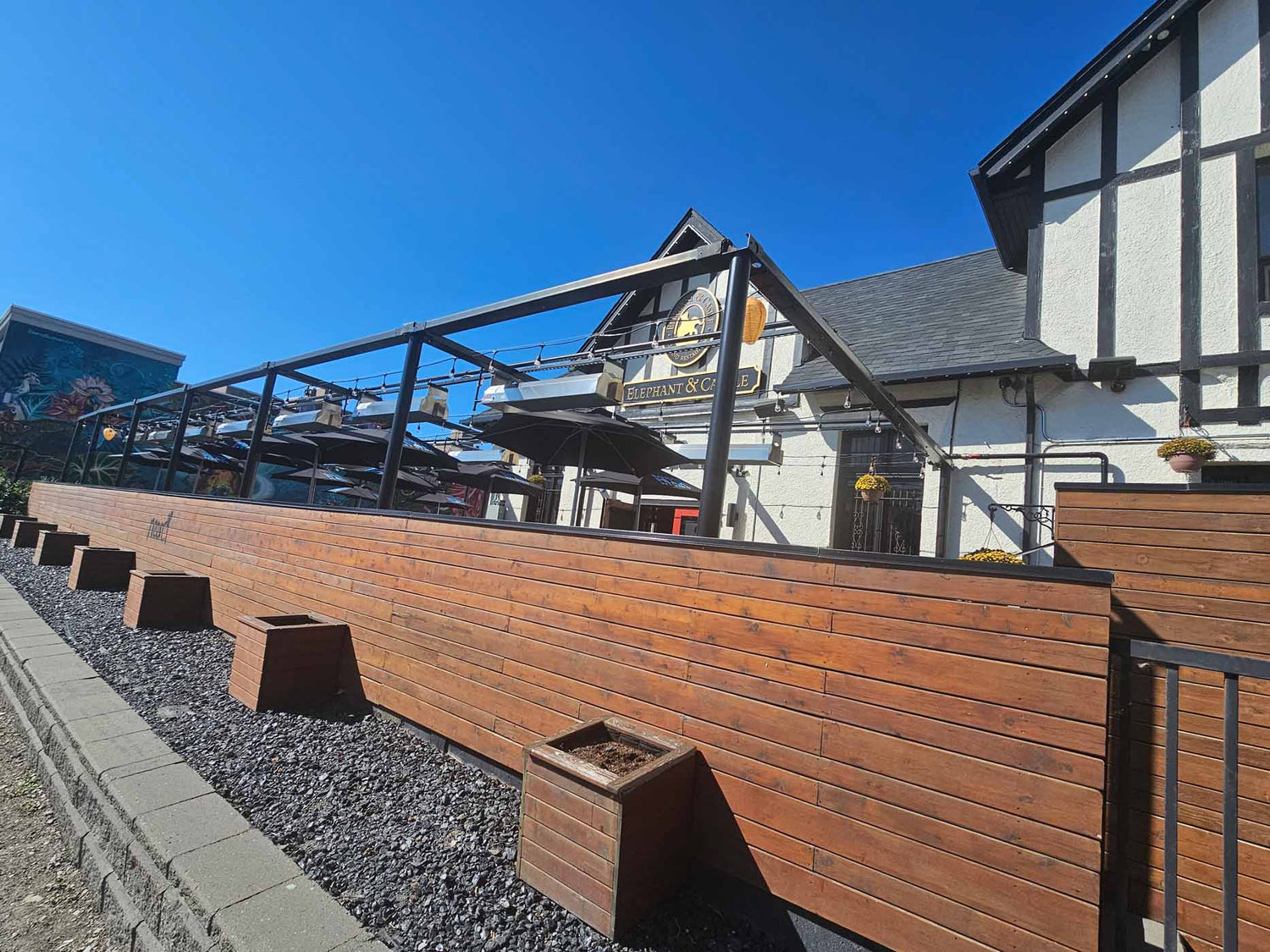
Infrared heaters have become a go-to solution for efficient, reliable outdoor and semi-enclosed heating. Whether installed on a residential patio, a restaurant terrace, or a commercial outdoor space, they deliver targeted warmth without the inefficiencies of traditional heating systems. But one of the most common, and important, questions people ask before installing or upgrading is simple: how much does it actually cost to run an infrared heater per hour?
The answer isn’t one-size-fits-all. Operating costs depend on several factors, including the type of infrared heater, fuel source, heater size, usage patterns, and even local energy rates. However, once you understand how these variables work together, it becomes much easier to estimate costs accurately, and more importantly, to optimize your system for maximum efficiency.
This guide breaks down everything you need to know about infrared heater operating costs, from real-world hourly estimates to the factors that influence them and practical strategies to keep expenses under control.
Understanding How Infrared Heaters Work & How Much They Cost to Operate
To understand operating costs, it’s important to first understand how infrared heaters generate heat. Unlike conventional systems that warm the air, infrared heaters emit radiant heat that directly warms people, surfaces, and objects within their range.
This distinction is critical. Traditional convection heaters rely on heating the surrounding air, which can quickly dissipate outdoors or in drafty environments. Infrared heaters, on the other hand, transfer energy directly, meaning less heat is wasted and more of it is felt where it matters.
Because of this efficiency, infrared heaters often require less overall energy to achieve the same level of comfort. This is one of the main reasons they are widely used in outdoor applications where conventional heating would be impractical or prohibitively expensive.
Two Main Types: Gas vs. Electric Infrared Heaters
When calculating operating costs, the first major distinction is between gas-powered and electric infrared heaters. Each comes with its own cost structure, advantages, and ideal use cases.
Electric infrared heaters convert electricity directly into radiant heat. They are known for their clean operation, precise control, and relatively simple installation. Because they rely entirely on electricity, their operating costs are directly tied to your local electricity rate and the wattage of the unit.
Gas infrared heaters, such as natural gas or propane models, generate heat through combustion. These systems are typically more powerful and are often used in larger outdoor or commercial settings. Their operating costs depend on fuel prices, which can vary based on location and market conditions.
Both options are highly effective, but the cost per hour can differ significantly depending on how and where they are used.
Calculating the Cost of Electric Infrared Heaters
Electric infrared heaters are typically rated in watts, and calculating their hourly operating cost is relatively straightforward.
To estimate cost, you can use a simple formula:
(Wattage ÷ 1000) × Electricity Rate = Cost per Hour
For example, a 4,000-watt heater running in an area where electricity costs $0.15 per kWh would cost:
4,000 ÷ 1000 = 4 kW
4 × $0.15 = $0.60 per hour
This means running that heater continuously for one hour would cost approximately 60 cents.
Larger heaters or higher electricity rates will increase this cost, while smaller units or lower rates will reduce it. In most cases, electric infrared heaters fall within a range of $0.30 to $1.50 per hour, depending on size and local pricing.
One of the advantages of electric systems is their predictability. Because electricity rates are generally stable, it is easier to estimate and manage ongoing costs.
Calculating the Cost of Gas Infrared Heaters
Gas-powered infrared heaters operate differently, as their cost is based on fuel consumption rather than electrical input. These heaters are typically rated in BTUs (British Thermal Units), which measure heat output.
To estimate hourly cost, you need to consider the heater’s BTU rating and the cost of fuel.
For natural gas, the cost is usually measured in therms. One therm equals 100,000 BTUs. If natural gas costs $1.50 per therm, and your heater operates at 50,000 BTUs per hour, the calculation looks like this:
50,000 BTUs ÷ 100,000 = 0.5 therms
0.5 × $1.50 = $0.75 per hour
Propane tends to be more expensive than natural gas, which can increase hourly costs. Depending on fuel prices and heater size, gas infrared heaters typically cost between $0.70 and $2.50 per hour to operate.
While gas systems may have higher variability in cost, they often provide greater heat output, making them ideal for larger or more demanding applications.
Comparing Real-World Operating Costs
When comparing electric and gas infrared heaters, it’s important to look beyond just the hourly rate and consider how effectively the heat is used.
Electric heaters are often more efficient in smaller or controlled environments, where precise heat control and minimal heat loss are key. Gas heaters, on the other hand, excel in larger outdoor spaces where higher output is needed to maintain comfort.
In many cases, the perceived cost difference comes down to usage patterns. A high-output gas heater may cost more per hour, but if it heats a larger area more effectively, the cost per square foot of comfort may actually be lower.
This is why it’s important to match the heater type and size to your specific application rather than focusing solely on hourly cost.
Factors That Influence Operating Costs
While base calculations provide a helpful starting point, several real-world factors can significantly impact how much it actually costs to run an infrared heater.
One of the most important variables is heater size and output. Larger heaters consume more energy but also provide more heat. Oversizing a heater can lead to unnecessary energy use, while undersizing may result in longer run times and reduced efficiency.
Usage duration is another key factor. Running a heater continuously for several hours will naturally increase costs, but many modern systems include variable heat controls that allow you to adjust output based on conditions. Operating at 50% power instead of 100% can significantly reduce energy consumption without sacrificing comfort.
Environmental conditions also play a major role. Wind, ambient temperature, and exposure can all affect how much heat is required. While infrared heaters are less affected by air movement than convection systems, extreme conditions may still increase demand.
Finally, energy rates vary by region. Electricity and gas prices differ across provinces and municipalities, meaning your actual cost may be higher or lower depending on your location.
Why Infrared Heating Is More Cost-Effective Than You Think
At first glance, hourly operating costs may seem comparable to other heating options. However, infrared heaters offer a level of efficiency that often makes them more cost-effective over time.
Because they heat people and objects directly rather than the surrounding air, less energy is wasted. This targeted approach allows you to heat specific zones rather than entire spaces, reducing overall energy consumption.
In outdoor environments, this advantage becomes even more significant. Traditional heaters struggle to maintain warmth in open air, leading to continuous operation and higher costs. Infrared systems avoid this issue by delivering heat exactly where it is needed.
The result is a more efficient system that provides better comfort with less energy.
Reducing Your Operating Costs
While infrared heaters are already efficient, there are several ways to further reduce operating costs without compromising performance.
Optimizing placement is one of the most effective strategies. Mounting heaters in locations that maximize coverage and minimize heat loss ensures that more of the energy produced is actually used.
Using variable heat settings allows you to adjust output based on real-time conditions. There is rarely a need to operate at full capacity at all times, and reducing output even slightly can lead to noticeable savings over time.
Regular maintenance is also important. Keeping heaters clean and ensuring that all components are functioning properly helps maintain efficiency and prevents unnecessary energy use.
For commercial applications, zoning systems can be particularly effective. By heating only occupied areas rather than entire spaces, you can significantly reduce energy consumption while maintaining comfort.
The Long-Term Value of Efficient Heating
When evaluating operating costs, it’s important to consider the bigger picture. Infrared heaters are not just about hourly expense, they are about overall value.
A well-designed system can extend the usability of outdoor spaces, increase property value, and enhance customer or guest experience. For businesses, this can translate directly into increased revenue and improved customer satisfaction.
The ability to provide consistent, comfortable heat in outdoor environments is a significant advantage, particularly in regions with cooler climates. When viewed in this context, the cost of operation becomes part of a larger return on investment.
Choosing the Right Heater for Your Needs
Selecting the right infrared heater is one of the most important factors in managing operating costs. The goal is to find a system that provides the right balance of output, efficiency, and control.
Calcana’s infrared outdoor heaters are designed with this balance in mind. With heating capacities reaching up to 75,000 BTU and variable heat control ranging from 50 to 100 percent, they allow you to tailor performance to your specific environment. This flexibility helps optimize energy use while maintaining consistent comfort.
Their mounted design ensures efficient heat distribution and eliminates the limitations of portable units. By integrating seamlessly into your space, they provide a clean, professional solution that is both effective and reliable.
Common Misconceptions About Infrared Heater Costs
There are several misconceptions that can lead to confusion when evaluating operating costs.
One of the most common is the idea that infrared heaters are expensive to run simply because they produce high levels of heat. In reality, their efficiency often offsets their output, resulting in competitive or even lower overall costs.
Another misconception is that electric heaters are always cheaper than gas. While this may be true in some cases, it depends heavily on local energy rates and usage patterns. In larger spaces, gas heaters may provide better value despite higher hourly costs.
Understanding these nuances is key to making an informed decision.
Planning for Efficient Operation
Taking a proactive approach to system design and operation can make a significant difference in long-term costs. This includes selecting the right heater, optimizing installation, and implementing smart usage practices.
Working with experienced professionals can also help ensure that your system is properly sized and configured. This not only improves performance but also prevents unnecessary energy consumption.
By planning ahead, you can create a heating solution that delivers consistent comfort while keeping operating costs under control.
Final Thoughts: What You Can Expect to Pay
So, how much does it cost to run an infrared heater per hour?
In most cases, you can expect:
- Electric infrared heaters: approximately $0.30 to $1.50 per hour
- Gas infrared heaters: approximately $0.70 to $2.50 per hour
These ranges provide a general guideline, but your actual costs will depend on your specific setup, usage, and energy rates.
What’s important to remember is that infrared heaters are designed for efficiency. When properly selected and installed, they provide a level of performance and cost control that makes them one of the most effective heating solutions available for outdoor and semi-enclosed spaces.
Explore High-Performance Infrared Heating
If you’re considering upgrading your outdoor heating system or want to better understand your options, choosing a high-quality heater is the first step.
Calcana’s patio heater collection offers powerful, efficient solutions designed for real-world performance. With advanced control options, durable construction, and industry-leading output, these systems provide the reliability and flexibility needed to keep your space comfortable in any season.
By combining the right equipment with smart operation, you can enjoy the benefits of infrared heating while keeping costs predictable and manageable, hour after hour, season after season.


Leave a comment
This site is protected by hCaptcha and the hCaptcha Privacy Policy and Terms of Service apply.