
Light is something most people take for granted. We experience it every day, yet only a small portion of it is actually visible to the human eye. Beyond what we can see exists a wide range of electromagnetic radiation, including infrared and ultraviolet light, two types that play very different roles in both nature and technology.
While they are often mentioned together, infrared and ultraviolet radiation sit on opposite ends of the visible light spectrum. One is associated with heat and comfort. The other is linked to energy, sterilization, and potential harm when overexposed.
Understanding the differences between infrared and ultraviolet radiation is essential, especially when evaluating technologies like outdoor heaters, lighting systems, and even safety considerations for everyday environments.
What Is the Electromagnetic Spectrum & How Infrared & Ultraviolet Radiation Fit Within It
To fully understand infrared and ultraviolet radiation, it’s important to look at the bigger picture, the electromagnetic spectrum.
The electromagnetic spectrum includes all types of light energy, ranging from radio waves with long wavelengths to gamma rays with extremely short wavelengths. Visible light, which humans can see, represents only a tiny portion of this spectrum.
Infrared radiation exists just beyond the red end of visible light, while ultraviolet radiation sits just beyond the violet end. Although both are invisible to the human eye, their effects are very noticeable.
Infrared radiation is experienced as heat. Ultraviolet radiation, on the other hand, carries more energy and is responsible for effects like sunburn.
What Is Infrared Radiation?
Infrared radiation is a type of energy that produces heat. It is naturally emitted by the sun and is responsible for the warmth you feel when standing in sunlight, even on a cool day.
Unlike traditional heating methods that warm the air, infrared radiation travels through the air and directly heats objects and people. This makes it highly efficient in outdoor and open-air environments.
Infrared heaters use this same principle. By emitting radiant heat, they provide immediate warmth without relying on air circulation. This is why they perform so well in patios, garages, and commercial outdoor spaces.
How Infrared Heat Works
Infrared heat works through direct energy transfer. When infrared waves encounter a surface, that surface absorbs the energy and converts it into heat.
This process is highly efficient because it minimizes energy loss. Instead of trying to heat the entire volume of air in a space, infrared systems focus on heating specific areas.
This is particularly valuable in outdoor environments where wind and air movement can quickly dissipate heat generated by conventional systems.
Types of Infrared Radiation
Infrared radiation is typically divided into three categories: near, medium, and far infrared.
Near infrared produces higher temperatures and is often used in industrial applications. Medium infrared strikes a balance between intensity and comfort. Far infrared provides a gentler, more diffused heat, commonly used in residential and wellness applications.
Outdoor infrared heaters are designed to deliver the right balance of intensity and coverage, ensuring comfort without excessive heat concentration.
What Is Ultraviolet Radiation?
Ultraviolet radiation is a higher-energy form of electromagnetic radiation. While it is also produced by the sun, it has very different effects compared to infrared.
Ultraviolet radiation is responsible for tanning and sunburn. It can also damage skin and eyes with prolonged exposure. Because of its high energy, UV radiation is commonly used in sterilization and disinfection technologies.
Unlike infrared radiation, ultraviolet light does not produce heat in the same way. Its primary impact is chemical rather than thermal.
Types of Ultraviolet Radiation
Ultraviolet radiation is categorized into three types: UVA, UVB, and UVC.
UVA has the longest wavelength and penetrates deeply into the skin, contributing to aging. UVB has shorter wavelengths and is responsible for sunburn. UVC has the shortest wavelength and is the most dangerous, but it is largely absorbed by the Earth’s atmosphere.
UVC radiation is commonly used in controlled environments for sterilization because it can destroy bacteria and viruses.
Key Differences Between Infrared & Ultraviolet
The most important difference between infrared and ultraviolet radiation lies in their energy levels and effects.
Infrared radiation has lower energy and produces heat. It is generally safe and widely used for comfort and heating applications.
Ultraviolet radiation has higher energy and can cause chemical reactions. While it has useful applications, it also carries risks when exposure is not controlled.
Another key difference is how each type of radiation interacts with the human body. Infrared provides warmth without damaging tissue, while ultraviolet radiation can cause skin and eye damage over time.
Practical Applications of Infrared Radiation
Infrared technology is widely used in both residential and commercial settings. One of the most common applications is outdoor heating.
Infrared heaters provide consistent, targeted warmth, making them ideal for patios, decks, and open-air environments. Because they heat objects directly, they maintain effectiveness even in windy conditions.
Infrared is also used in industrial processes, medical therapies, and even remote controls. Its versatility and efficiency make it one of the most widely used forms of electromagnetic radiation.
Practical Applications of Ultraviolet Radiation
Ultraviolet radiation is commonly used for sterilization and disinfection. Hospitals, laboratories, and water treatment facilities use UV light to eliminate harmful microorganisms.
It is also used in certain manufacturing processes and in specialized lighting applications.
While UV has many benefits, its use is typically controlled and limited to specific environments due to safety concerns.
Safety Considerations
Safety is one of the most important distinctions between infrared and ultraviolet radiation.
Infrared radiation, when used properly, is safe for everyday use. Infrared heaters are designed to operate within safe temperature ranges, providing warmth without harmful effects.
Ultraviolet radiation, however, requires careful handling. Prolonged exposure can lead to skin damage, eye injury, and increased health risks.
This is why UV-based systems are typically enclosed or used in controlled environments.
Why Infrared Is Ideal for Outdoor Heating
When it comes to outdoor heating, performance is defined by consistency, and that’s where infrared technology stands apart. Traditional heating systems rely on warming the air, which becomes highly inefficient in outdoor environments where wind, open space, and constant air movement quickly carry that heat away. Infrared heaters bypass this limitation entirely by delivering radiant heat directly to people, surfaces, and objects.
This direct transfer of energy allows infrared heaters to maintain their effectiveness even in less-than-ideal conditions. Whether it’s a breezy patio, a partially enclosed deck, or a large commercial outdoor space, infrared heat continues to perform without relying on still air to function. The result is a more stable and predictable level of comfort that doesn’t fluctuate with every change in weather.
Another key advantage is how quickly infrared systems respond. The moment the heater is turned on, warmth is quickly felt, there a little lag time waiting for air to heat up. This quick heat delivery is especially valuable in environments where conditions can shift quickly, such as during spring and fall evenings or in high-traffic commercial spaces where guests expect immediate comfort.
Infrared heating also allows for a more strategic approach to comfort. Instead of attempting to heat an entire outdoor area, systems can be positioned to create targeted zones where people gather most frequently. This improves efficiency, reduces energy waste, and ensures that heat is being used exactly where it’s needed.
In addition, infrared heaters integrate seamlessly into outdoor designs. Mounted systems can be installed overhead or along structural elements, keeping floor space clear while providing consistent coverage. This not only improves safety but also enhances the overall layout and usability of the space.
Ultimately, infrared heating is ideal for outdoor environments because it aligns with how those spaces function. It adapts to open-air conditions, delivers immediate results, and provides a level of reliability that traditional systems simply can’t match.
Energy Efficiency & Performance
Infrared systems are known for their efficiency. By focusing heat where it is needed, they reduce energy waste and improve overall performance.
This targeted approach allows users to create comfortable zones without heating entire spaces unnecessarily.
In contrast, ultraviolet radiation is not used for heating and does not contribute to energy efficiency in the same way.
Environmental Impact
Infrared heaters, particularly electric models, offer a cleaner heating solution with no direct emissions. This makes them a more environmentally friendly option compared to fuel-based systems.
Ultraviolet systems, while useful for sterilization, do not play a role in heating or energy efficiency.
Choosing the Right Technology for Your Needs
Understanding the differences between infrared and ultraviolet radiation helps you make informed decisions about the technologies you use.
For heating and comfort, infrared is the clear choice. Its ability to deliver consistent, efficient warmth makes it ideal for a wide range of applications.
Ultraviolet radiation, while valuable in specific contexts, is not suitable for general heating or comfort.
Final Thoughts: Infrared vs Ultraviolet
Infrared and ultraviolet radiation may both exist beyond the visible spectrum, but their functions could not be more different.
Infrared provides warmth, comfort, and efficiency. Ultraviolet delivers energy for specialized applications but requires careful handling.
For outdoor spaces, garages, patios, and commercial environments, infrared heating offers a practical, reliable solution that enhances usability and comfort.
Explore Infrared Heating Solutions
Choosing the right infrared heating solution is about more than just selecting a unit, it’s about understanding how that system will perform in your specific environment and how it will support long-term use.
Every space has different requirements. Residential patios may prioritize comfort and aesthetics, while commercial environments focus on coverage, durability, and consistent performance across larger areas. The right infrared heater should align with these needs, providing reliable heat without adding complexity to the space.
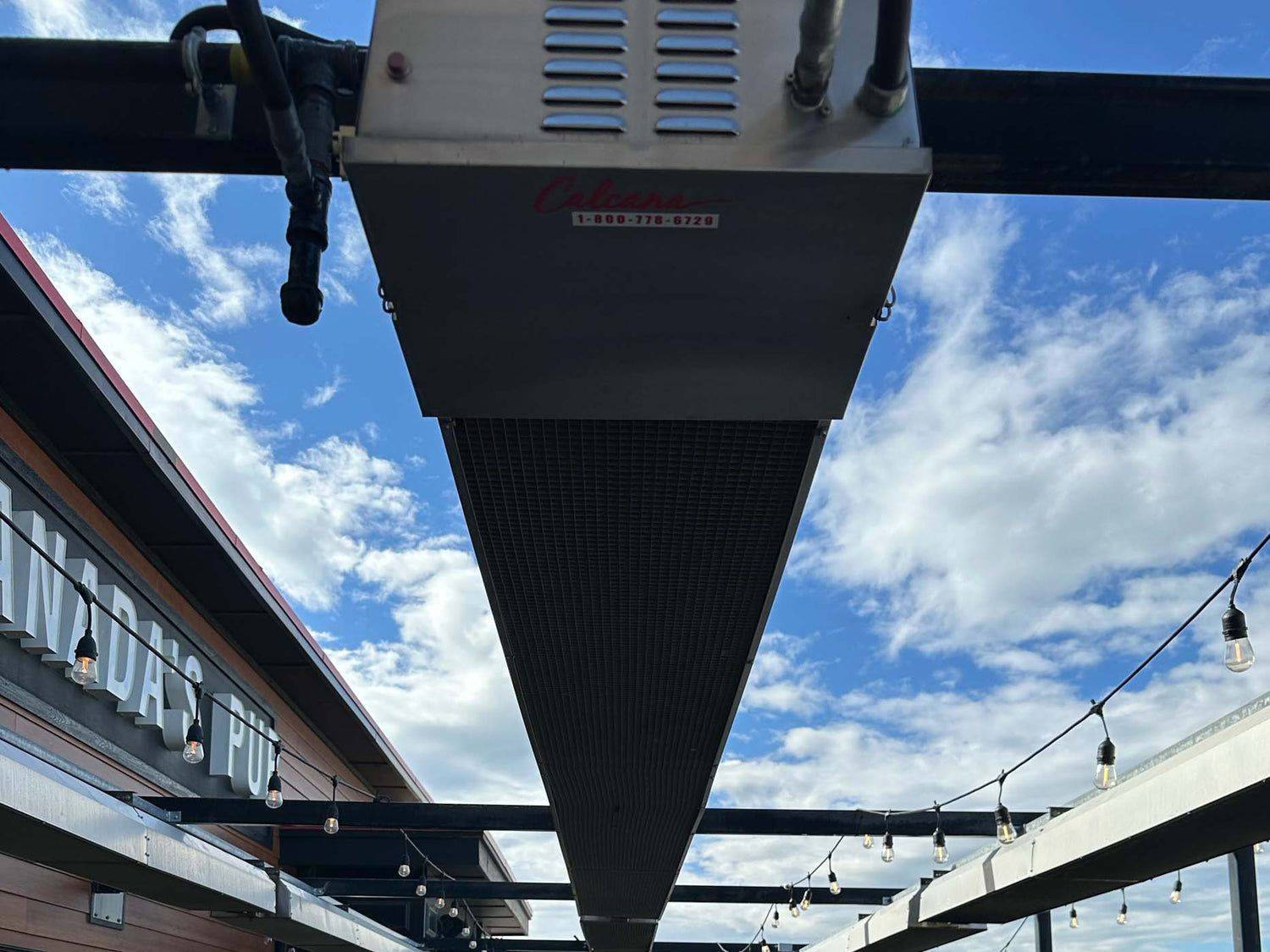
Mounted infrared heaters have become the preferred option for both residential and commercial applications. By positioning the system overhead or along walls, they deliver direct heat without interfering with furniture layouts, foot traffic, or overall design. This approach creates a cleaner, more functional environment while maintaining consistent comfort.
Output and coverage are also important considerations. Larger or more exposed areas require higher-capacity systems to maintain effective warmth, while smaller or semi-enclosed spaces benefit from more targeted solutions. Understanding how heat distributes within your space allows you to select a system that performs efficiently without overcompensating.
Durability plays a major role as well, particularly in outdoor environments where heaters are exposed to changing weather conditions. High-quality infrared systems are built to withstand these conditions while maintaining consistent performance over time. This reduces maintenance requirements and ensures long-term reliability.
Ease of operation is another factor that shouldn’t be overlooked. Modern infrared heaters offer simple controls, allowing users to adjust output levels and maintain comfort with minimal effort. This is especially valuable in commercial settings where staff need dependable systems that require little oversight.
Calcana’s infrared heaters are designed with these considerations in mind, offering solutions that combine performance, durability, and ease of use. Whether you’re upgrading a backyard patio or outfitting a large commercial space, the right system allows you to extend usability, improve comfort, and create an environment that works in real-world conditions.
Investing in infrared heating is ultimately about enhancing how a space is experienced. With the right setup, outdoor areas become more than seasonal, they become reliable, comfortable extensions of your home or business.


Leave a comment
This site is protected by hCaptcha and the hCaptcha Privacy Policy and Terms of Service apply.