
Choosing the right temperature for an infrared heater isn't always as simple as setting a thermostat and walking away. With outdoor patios, garages, workshops, warehouses, restaurants, and other commercial or residential spaces, the ideal heating level can change depending on the environment, weather, activity, and how the space is being used.
For infrared heating, there is another important consideration: you're not necessarily trying to heat all of the surrounding air to a specific temperature. Infrared heaters work by emitting radiant energy that warms people, objects, floors, furniture, vehicles, and other surfaces within the heating area.
That means the right heater setting is often about creating the right level of comfort where people are spending time rather than simply reaching a particular room temperature.
Calcana infrared heaters are designed to provide controlled, adjustable heat for a wide range of applications. Understanding how to approach different heating scenarios can help you get more comfortable results while avoiding unnecessary energy use.
Whether you're trying to keep a restaurant patio comfortable on a cool evening, warming up your garage before a project, maintaining a comfortable workspace, or taking the chill out of an outdoor gathering, the appropriate heat level depends on the situation.
Before determining what temperature or heat level to use, it's important to understand how infrared heating differs from conventional forced-air heating.
Traditional forced-air systems primarily heat the air. A thermostat measures the air temperature and signals the system to turn on or off to maintain the selected temperature.
Infrared heating takes a different approach.
Rather than relying primarily on heated air moving throughout the room, infrared energy travels from the heater and is absorbed by objects and people within its heating area. Those warmed surfaces can then contribute to the overall comfort of the space.
Because of this, the temperature displayed on a thermometer may not tell the entire story.
You can have a relatively cool outdoor environment while still experiencing comfortable radiant warmth underneath an infrared heater. Conversely, a space may have warm air but still feel uncomfortable if people are sitting near cold surfaces or exposed to drafts.
This is why choosing an infrared heater setting should take the entire environment into account.
There Isn't One Perfect Temperature for Every Situation: Understanding the Right Infrared Heat Level for Different Spaces & Applications
One of the most common mistakes when discussing heater temperature is assuming there is one setting that works for every application.
There isn't.
A restaurant patio on a calm fall evening has different heating requirements than an open patio on a windy day. A garage being used for vehicle work may need a different approach than a garage being used for a workout. A warehouse with employees moving around may require a different comfort level than an outdoor seating area where customers are sitting still.
The best starting point is to consider how the space is being used.
Ask yourself:
How many people are using the space? Are they sitting or moving? Is the area open or enclosed? What is the outdoor temperature? Is there wind? How well insulated is the space? How much time do people spend in the heated area?
These factors can all influence the appropriate heating level.
Outdoor Patios & Restaurants
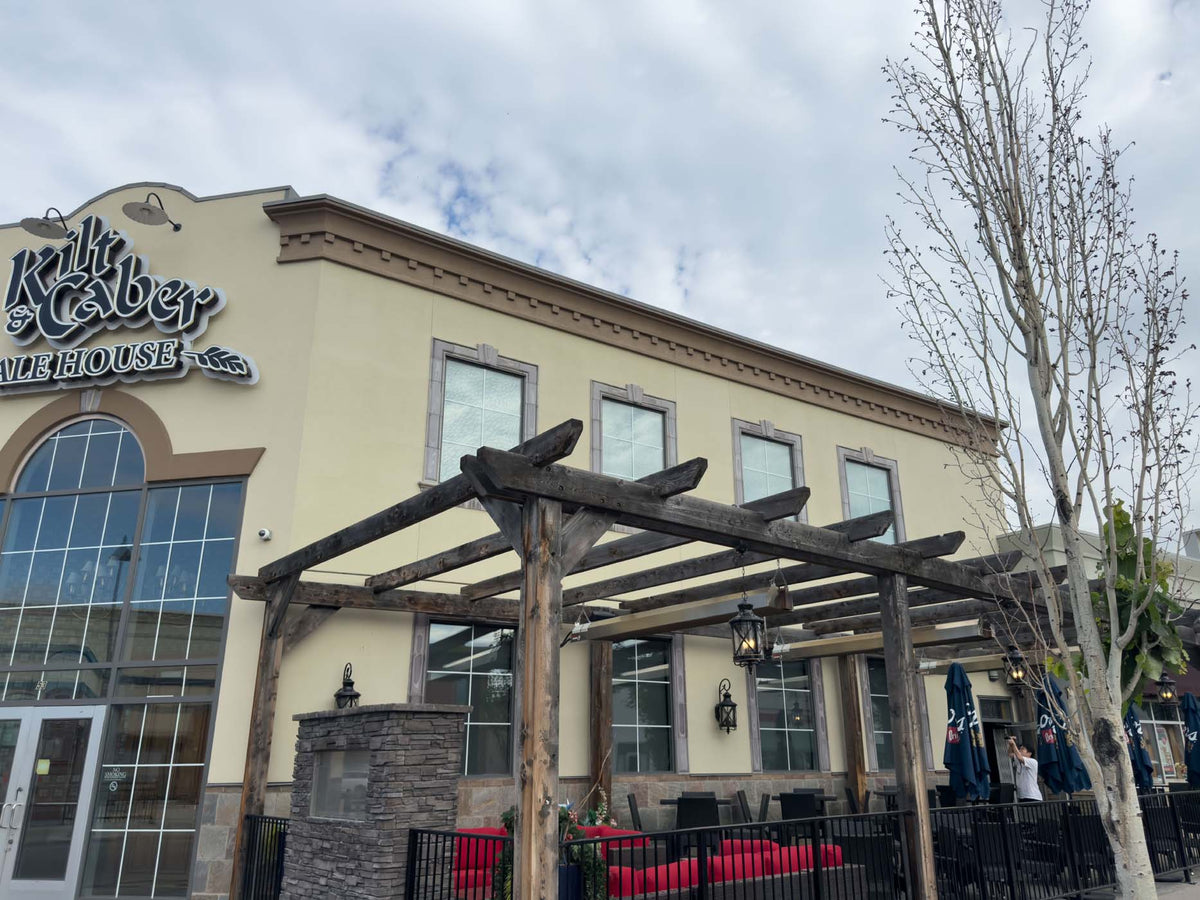
Outdoor patios are one of the most common applications for infrared heating.
Restaurants, cafés, bars, hotels, and resorts often want to extend the usable season of their outdoor seating areas beyond the warmest months of the year.
The challenge is that outdoor conditions can change quickly.
A patio that feels comfortable in the afternoon may become noticeably cooler after sunset. Wind can also make customers feel colder, even when the actual air temperature hasn't changed significantly.
For an outdoor patio, the goal isn't necessarily to heat the entire outdoor environment. That's impractical in many open-air settings. Instead, infrared heating allows businesses to create comfortable zones where customers are sitting.
When conditions are mild, a lower heat setting may be enough to maintain comfort. As temperatures fall or wind increases, more heat may be appropriate.
Seating arrangement is also important. If customers are spread across a large patio, multiple heaters may provide better coverage than trying to operate one heater at a very high output.
The appropriate heating level should always be determined according to the specific heater model, installation, outdoor conditions, and manufacturer's recommendations.
Cool Spring & Fall Evenings
Spring and fall are ideal examples of when controlled infrared heat can be useful.
These seasons can bring temperatures that are comfortable during the day but significantly cooler in the morning and evening.
You may not need maximum heat. In fact, using more heat than necessary can make the space uncomfortable and waste energy.
A controlled infrared heating system allows you to respond to those changing conditions.
On a mild evening, you may only need enough radiant heat to take the chill out of the air around your seating area. On a colder night, increasing the output can provide additional warmth.
This flexibility is one of the benefits of having adjustable heat rather than relying on a simple on-or-off approach.
Windy Outdoor Conditions
Wind deserves special consideration when you're determining how much heat an outdoor space needs.
Even when the thermometer shows a relatively moderate temperature, wind can make people feel significantly colder.
Infrared heating can be particularly useful in these environments because radiant energy warms people and objects directly rather than depending entirely on maintaining warm air.
However, that doesn't mean wind can be ignored.
The layout of your patio, surrounding buildings, screens, walls, landscaping, and other structures can all influence how comfortable the space feels.
When planning an outdoor heating system, consider where people are sitting and how exposed those areas are to wind.
A properly positioned heater can provide radiant coverage to the areas where customers spend their time. In some situations, reducing direct wind exposure with appropriate patio design elements can also improve comfort.
Outdoor Events & Gatherings
Special events often create different heating requirements.
A patio may be comfortable when only a few people are present, but a larger gathering can change how the space is used.
People may move between seating areas, stand near food or drink stations, or gather in groups. Some may feel warmer because they're active, while others may remain seated for long periods.
Rather than trying to make the entire outdoor environment the same temperature, consider where people are spending the most time.
For temporary events, heater placement should be carefully planned in advance. Make sure heaters are installed and operated according to manufacturer requirements and that all necessary safety clearances are maintained.
The goal should always be comfortable, consistent coverage rather than simply turning the heat as high as possible.
Garage & Workshop Applications
Garages and workshops are another situation where heater temperature can vary significantly.
A garage might be used for vehicle maintenance, woodworking, hobbies, storage, exercising, or entertaining. Each activity can create different comfort requirements.
If you're working on a vehicle or moving around a workshop, you may naturally generate more body heat than someone sitting at a workbench.
Infrared heating can be useful because it can provide targeted warmth to the area where you're working.
For example, rather than heating every corner of a large garage, a heater can be positioned to provide radiant warmth over a work area.
This can help make the garage more comfortable without requiring the entire space to feel like the inside of a house.
Working on Vehicles
For people who use their garage as a workshop or vehicle workspace, comfort can make a significant difference.
Working on a car in the middle of winter can mean spending long periods standing in one location, reaching into an engine compartment, or working underneath a vehicle.
Infrared heating can provide warmth directly to people and surfaces in the heating zone.
Because the system doesn't depend on constantly blowing heated air around the space, it can also avoid some of the noise and air movement associated with forced-air systems.
This can be particularly useful when you're trying to concentrate on detailed work.
The appropriate setting will depend on the size of the garage, insulation, outdoor temperature, heater model, and how much of the space needs to be heated.
Garage Gyms & Workout Spaces
A garage gym introduces another unique heating scenario.
During intense exercise, your body temperature naturally increases. You may not want the same heating level that you would use while sitting still.
For example, someone stretching or doing mobility exercises may appreciate more warmth than someone completing an intense cardio workout.
A controlled infrared heater allows the environment to be adjusted as your activity changes.
You can begin your workout in a cooler environment, increase the heat if necessary during lower-intensity activities, and reduce the output once you become warm.
This flexibility can help make a garage more comfortable without turning it into an unnecessarily hot environment.
Warehouses & Industrial Facilities
Large commercial and industrial spaces present a different heating challenge.
Warehouses can have high ceilings, large doors, loading areas, and significant air volumes. Trying to heat the entire volume of air can be inefficient, particularly when doors are frequently opened.
Infrared heating can provide a more targeted approach.
Instead of focusing solely on the temperature of the air throughout the entire building, infrared systems can provide warmth to specific occupied areas.
For employees working at stations, near equipment, or in designated work zones, targeted radiant heat can help improve comfort where it matters.
The appropriate heat level depends on the application, building design, heater placement, occupancy, and environmental conditions.
For larger facilities, professional heating design can help determine the number, location, and appropriate output of the heaters.
High-Ceiling Facilities
High ceilings can make conventional heating challenging because warm air naturally rises.
This can result in heated air accumulating near the ceiling while the occupied area below remains less comfortable.
Infrared heating approaches the problem differently by delivering radiant energy directly toward the occupied space and surfaces.
This can make infrared a useful option for facilities with high ceilings, provided the heaters are appropriately selected and positioned.
In these environments, the correct heat level isn't determined simply by the total cubic volume of the building. The layout, mounting height, heater output, target areas, insulation, and use of the facility all need to be considered.
Enclosed Patios
An enclosed or partially enclosed patio can behave differently from a completely open patio.
Walls, windows, roofs, screens, and doors can reduce exposure to outdoor conditions and help retain warmth.
As a result, the same heater setting that may be appropriate for an open patio could be more than necessary in a sheltered space.
When heating an enclosed area, pay attention to how quickly the space responds to changes in heater output.
Start with an appropriate lower setting and adjust based on the comfort of the people using the area.
Always follow the heater's installation requirements and ensure the specific model is approved for the intended environment.
Open Patios
Open patios have fewer barriers between the heated area and the outdoor environment.
This means wind and cold outdoor conditions can have a greater effect on perceived comfort.
Infrared heating is well suited to targeted outdoor comfort because it doesn't need to heat the entire outdoor air volume.
However, heater placement remains critical.
Position heaters so that their radiant coverage reaches the seating areas you want to keep comfortable. If the patio is large, multiple heating zones may provide more consistent comfort than relying on one heater.
How Clothing & Activity Affect Comfort
Temperature isn't the only factor determining whether someone feels warm.
Clothing, activity level, age, personal comfort preferences, and length of exposure can all influence how warm someone feels.
Someone wearing a jacket and moving around may be comfortable at a lower heater setting than someone sitting still in lighter clothing.
This is especially important for businesses serving a variety of customers.
Rather than trying to create a temperature that feels identical to everyone, focus on providing appropriate radiant coverage and giving the heating system enough control to respond to changing conditions.
Avoiding the "Too Hot" Problem
When a space is cold, it can be tempting to turn the heater up as high as possible.
However, more heat isn't always better.
Overheating can be just as uncomfortable as being too cold, particularly when people are physically active or wearing warm clothing.
A better approach is to make gradual adjustments.
Start with an appropriate setting for the conditions and observe how the space feels. If people remain uncomfortable, increase the heat or adjust the coverage where appropriate.
If people begin removing layers or moving away from the heated area, the system may be providing more heat than necessary.
Controlled heating gives you the ability to find a comfortable middle ground.
Using Insulation to Improve Heating Performance
The condition of the space itself also affects heating requirements.
Good insulation can help reduce heat loss in enclosed areas such as garages, workshops, and commercial buildings. Sealing gaps around doors and windows can also help reduce drafts.
This doesn't mean an infrared heater requires a perfectly insulated space to work. Infrared heating can be useful in open and semi-open environments.
However, improving the building envelope where practical can help create a more stable and comfortable environment.
In a garage, for example, insulating the garage door and sealing gaps around the perimeter can help reduce the amount of cold air entering the space.
This allows your heating system to work in a more controlled environment.
How to Adjust Your Heater Throughout the Day
One of the advantages of adjustable infrared heating is that your ideal setting doesn't have to remain constant.
Outdoor temperatures can change throughout the day. A patio may need little supplemental heat during the afternoon and considerably more after sunset.
Similarly, a garage may be comfortable once you've been working inside for an hour but feel cold when you first enter.
Consider how the space changes and adjust the heater accordingly.
If your heating system has a control system that allows modulation or adjustment of output, use that flexibility rather than simply treating the heater as an on-or-off appliance.
The objective is consistent comfort, not maximum output.
When You Shouldn't Simply Turn Up the Heat
If an area isn't comfortable, increasing heater output isn't always the solution.
First, consider whether the heater is positioned correctly.
Is the heating area actually reaching the people using the space? Is furniture blocking the radiant path? Is a large draft affecting the seating area? Is the heater mounted at the appropriate height?
These questions can be more important than simply increasing the temperature.
For infrared heating, placement and coverage are critical because the radiant energy needs a clear path to the area you're trying to warm.
If the problem is poor coverage, repositioning or adding appropriately selected heating equipment may be more effective than increasing the output of one heater.
Safety & Manufacturer Requirements
Regardless of the application, heater operation should always follow the manufacturer's instructions.
Don't use a temperature or setting that exceeds the equipment's specifications. Maintain required clearances from combustible materials and ensure the heater is installed correctly.
For commercial installations, applicable building, electrical, gas, and safety requirements should also be considered.
If you're unsure about the appropriate heater size, location, or installation requirements, consult a qualified professional or the heater manufacturer.
Proper installation is an important part of achieving both comfort and safe operation.
Finding the Right Heat Level for Your Space
The proper infrared heater temperature isn't necessarily one specific number.
Instead, it depends on the environment, the heater model, the installation, the people using the space, and the activity taking place.
An open restaurant patio may require more radiant output on a cold, windy evening than it does on a mild fall afternoon. A garage gym may require less heat during intense cardio than during stretching. A warehouse employee working at a stationary workstation may need different comfort conditions than someone moving throughout the facility.
The key is to think about heating in terms of comfort and coverage.
Infrared technology allows you to focus warmth where people need it instead of relying exclusively on heating the entire volume of air.
Make Your Heating Work for the Situation
There is no single "perfect" heater temperature that applies to every infrared heating application.
The best setting is the one that provides appropriate comfort for the people using the space while taking the surrounding conditions into account.
Consider the outdoor temperature, wind, insulation, building design, activity level, seating arrangement, and how much of the space needs to be heated. Then use the available controls to adjust the heat accordingly.
Calcana infrared heaters provide controlled radiant heating solutions for a wide range of applications, including patios, garages, commercial spaces, workshops, and industrial facilities. Their ability to deliver targeted warmth makes them a practical option for environments where traditional air-based heating isn't always the ideal approach.
Instead of simply asking, "What temperature should my heater be set to?" start by asking, "Where do I need people to feel comfortable, and what conditions are affecting that comfort?"
That approach can help you make better use of your heating system, improve comfort, and create a more enjoyable environment whether you're dining outside, working in your garage, completing a project, exercising, or working in a commercial facility.
Looking for the right infrared heating solution for your application? Explore Calcana's range of infrared heaters and discover how controlled radiant heat can help create comfortable spaces in a variety of environments.

Leave a comment
This site is protected by hCaptcha and the hCaptcha Privacy Policy and Terms of Service apply.