
When selecting materials for outdoor equipment, architectural elements, marine applications, or commercial heating systems, choosing the right type of steel can make the difference between long-term durability and premature corrosion.
One of the most common questions in construction, manufacturing, and outdoor product design is:
What’s the difference between stainless steel and marine grade steel for infrared heaters?
At first glance, they may appear identical. Both are corrosion-resistant. Both are durable. Both are used in outdoor and industrial environments. However, there are important differences in composition, performance, and ideal applications, especially when exposure to moisture, salt, or harsh weather conditions is involved.
This guide will break down:
-
What stainless steel is
-
What marine grade steel is
-
The difference between 304 and 316 stainless steel
-
Why corrosion resistance varies
-
Which material is best for coastal and high-moisture environments
-
Cost differences and long-term value
-
How to choose the right steel for your application
By the end, you’ll have a clear understanding of which material is best for your project.
What Is Stainless Steel? Understanding Its Composition, Strength, & Corrosion Resistance
Stainless steel is an iron-based alloy that contains a minimum of 10.5% chromium. This chromium content is what gives stainless steel its corrosion resistance.
When chromium is exposed to oxygen, it forms a thin, invisible layer of chromium oxide on the surface. This passive layer protects the metal underneath from rust and oxidation.
Key Characteristics of Stainless Steel:
-
Corrosion resistant
-
Strong and durable
-
Low maintenance
-
Visually appealing (smooth, polished finish)
-
Resistant to staining
-
Hygienic and easy to clean
Because of these properties, stainless steel is widely used in:
-
Commercial kitchens
-
Appliances
-
Automotive parts
-
Architectural design
-
Industrial equipment
-
Outdoor fixtures
However, not all stainless steel performs the same, and that’s where grades come into play.
Understanding Stainless Steel Grades
There are over 150 grades of stainless steel, but the two most commonly compared in outdoor and industrial applications are:
-
304 stainless steel
-
316 stainless steel
These two grades look nearly identical but behave differently in harsh environments.
What Is 304 Stainless Steel?
304 stainless steel is the most widely used stainless steel grade. It contains:
-
18% chromium
-
8% nickel
This composition gives it strong corrosion resistance in standard environments.
Common Uses for 304 Stainless Steel:
-
Indoor equipment
-
Commercial appliances
-
Food processing equipment
-
Decorative outdoor structures
-
Mild climate outdoor fixtures
304 stainless steel performs well in environments that are not heavily exposed to salt or chemicals.
However, it can struggle in:
-
Coastal regions
-
Marine environments
-
Areas with heavy road salt exposure
-
Industrial chemical environments
What Is Marine Grade Steel?
Marine grade steel typically refers to 316 stainless steel.
316 stainless steel contains:
-
16% chromium
-
10% nickel
-
2–3% molybdenum
The addition of molybdenum is what makes marine grade steel superior in harsh environments.
Why Molybdenum Matters
Molybdenum increases resistance to:
-
Chloride corrosion
-
Saltwater damage
-
Pitting corrosion
-
Crevice corrosion
This makes 316 stainless steel the preferred material for:
-
Coastal installations
-
Boats and docks
-
Outdoor commercial equipment
-
Harsh weather environments
-
Industrial coastal buildings
Marine grade steel is specifically engineered to withstand prolonged exposure to salt and moisture.
Stainless Steel vs Marine Grade Steel: Key Differences
Here’s a clear comparison between 304 and 316 stainless steel.
| Feature | 304 Stainless Steel | 316 (Marine Grade) Stainless Steel |
|---|---|---|
| Chromium Content | 18% | 16% |
| Nickel Content | 8% | 10% |
| Molybdenum | None | 2–3% |
| Salt Resistance | Moderate | High |
| Corrosion Resistance | Strong | Superior |
| Cost | Lower | Higher |
| Ideal Environment | Mild | Coastal/Marine |
The primary difference is the addition of molybdenum in marine grade steel, which dramatically improves resistance to chlorides and salt exposure.
Why Salt Exposure Changes Everything
Salt is one of the most aggressive corrosive elements for metal.
In coastal environments, salt is present in:
-
Ocean air
-
Sea spray
-
Humidity
-
Wind-driven moisture
Even if you are miles inland, salt air can travel significant distances.
Chloride ions penetrate the protective chromium oxide layer in standard stainless steel. Once that passive layer is compromised, rust can begin forming in small pits, a process called pitting corrosion.
Marine grade stainless steel resists this breakdown far more effectively.
What Is Pitting Corrosion?
Pitting corrosion is localized damage that appears as small holes or pits in the metal surface. It often starts invisibly and worsens over time.
This type of corrosion is particularly dangerous because:
-
It can weaken structural integrity
-
It spreads beneath the surface
-
It is difficult to detect early
316 stainless steel dramatically reduces the risk of pitting corrosion in salt-heavy environments.
When Should You Use 304 Stainless Steel?
304 stainless steel is ideal for:
-
Inland installations
-
Covered outdoor structures
-
Dry climates
-
Indoor commercial spaces
-
Equipment not exposed to salt
If your installation is:
-
More than 10–20 miles from a coastline
-
Not exposed to de-icing salts
-
Not in a chemical-heavy industrial environment
304 stainless steel is often sufficient and more cost-effective.
When Should You Use Marine Grade 316 Stainless Steel?
316 stainless steel is recommended when:
-
You’re within coastal zones
-
Equipment faces direct salt spray
-
Structures are exposed to heavy rain and humidity
-
Industrial chemicals are present
-
Long-term corrosion resistance is critical
Examples include:
-
Coastal restaurant patios
-
Beachfront resorts
-
Outdoor heating systems near oceans
-
Boat docks and marinas
-
Architectural railings near saltwater
The initial higher investment pays off in reduced maintenance and longer lifespan.
Cost Differences Between 304 & 316 Stainless Steel
Marine grade steel is typically 20–40% more expensive than 304 stainless steel due to:
-
Molybdenum content
-
Material sourcing
-
Enhanced corrosion resistance
However, cost should not be evaluated upfront alone.
Replacing corroded 304 steel in a marine environment is significantly more expensive than installing 316 from the start.
In coastal applications, marine grade steel is often the more economical long-term choice.
Appearance Differences
Visually, 304 and 316 stainless steel look nearly identical.
Both can have:
-
Brushed finishes
-
Polished finishes
-
Matte finishes
The difference lies in performance, not appearance.
Over time, however, 304 may show:
-
Surface staining
-
Rust spotting
-
Corrosion marks in salt-heavy areas
316 retains its appearance longer in harsh conditions.
Maintenance Requirements
Even marine grade steel requires maintenance.
For optimal longevity:
-
Rinse with fresh water periodically in coastal environments
-
Remove salt deposits
-
Clean with non-abrasive materials
-
Avoid harsh chemical cleaners
Routine cleaning dramatically extends lifespan.
Marine Grade Steel in Outdoor Heating Applications
Outdoor heating systems operate in some of the most demanding environmental conditions. They face constant exposure to rain, humidity, temperature fluctuations, wind, and, in many regions, salt-laden coastal air. In these settings, material selection is not simply about aesthetics; it is about structural integrity, longevity, and performance over time.
Marine grade steel, specifically 316 stainless steel, is engineered for these conditions. The addition of molybdenum significantly improves resistance to chloride corrosion, which is the primary cause of rust and pitting in coastal and high-moisture environments.
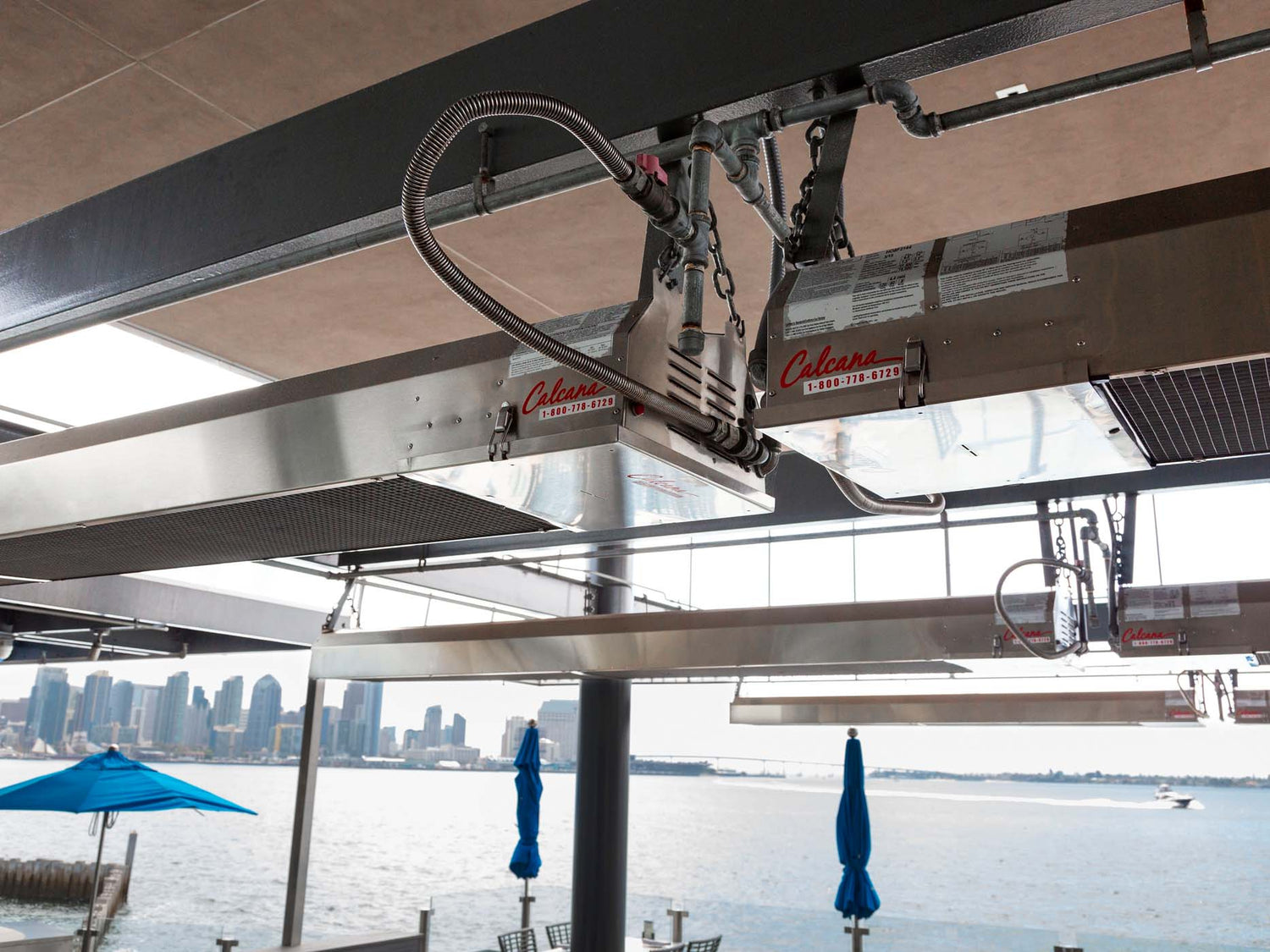
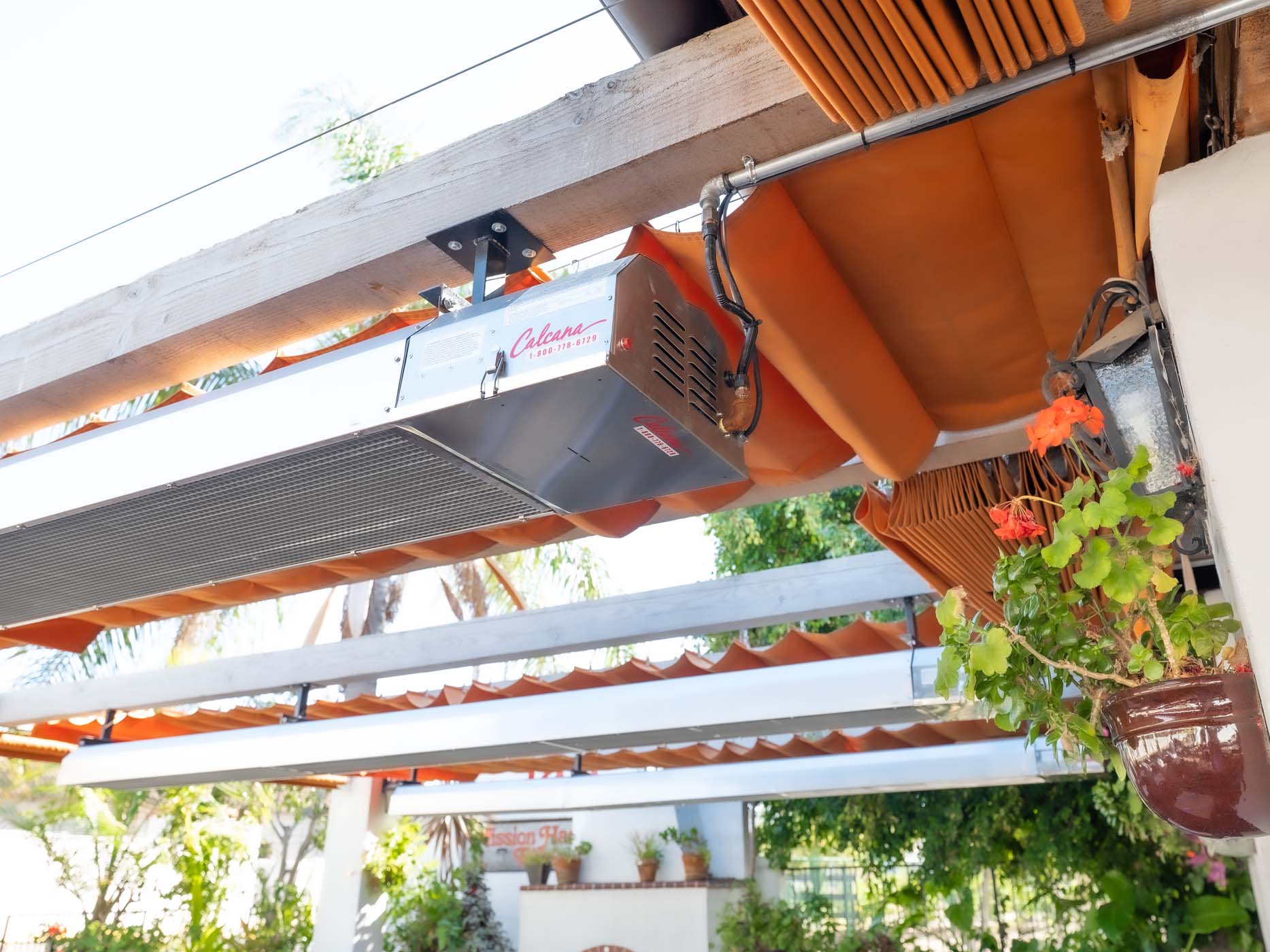
For outdoor heating manufacturers like Calcana, material choice directly impacts product lifespan and reliability. In hospitality settings such as beachfront restaurants, rooftop patios, ski lodges, and resort terraces, heaters must maintain both structural durability and visual appeal year after year. Corrosion not only weakens metal components but also diminishes the professional appearance that commercial spaces depend on.
By incorporating high-grade stainless steel into heater construction, Calcana ensures that its systems are built to withstand demanding outdoor environments. This commitment to quality materials protects internal components, maintains aesthetic integrity, and reduces long-term maintenance needs, especially in coastal regions where salt exposure accelerates corrosion.
For hospitality operators and property owners, choosing marine grade steel in outdoor heating applications means fewer replacements, lower lifetime costs, and greater peace of mind. It is an investment in durability that pays dividends over time.
Structural Strength Comparison
Both 304 and 316 stainless steel offer excellent strength and durability.
However:
-
316 performs better under prolonged corrosive stress
-
Structural integrity lasts longer in harsh environments
In structural coastal builds, marine grade steel is often required by specification.
Environmental Considerations
Both grades are recyclable and environmentally responsible materials.
Because marine grade steel lasts longer in aggressive climates, it may reduce:
-
Replacement frequency
-
Material waste
-
Long-term environmental impact
Longevity is sustainability.
How to Choose the Right Steel for Your Project
Ask yourself:
-
How close is the installation to saltwater?
-
Will it face direct salt spray?
-
Is there exposure to road salts?
-
Is long-term appearance critical?
-
What is the total lifecycle cost?
If salt exposure is moderate to high, marine grade steel is the safer investment.
Final Thoughts: Choosing the Right Steel for Long-Term Performance
Selecting between standard stainless steel and marine grade steel is ultimately about understanding your environment and planning for long-term performance. While 304 stainless steel performs exceptionally well in inland and controlled environments, it may not offer sufficient protection in coastal or salt-exposed conditions.
Marine grade steel provides an added layer of defense against corrosion, pitting, and structural degradation, especially in areas where salt air, humidity, and moisture are constant factors. Although the upfront cost may be higher, the long-term savings in maintenance, repair, and replacement often outweigh the initial investment.
For commercial applications, particularly in hospitality and outdoor environments, material selection is more than a technical detail, it directly impacts operational reliability, brand perception, and customer experience. Equipment that resists corrosion retains its strength and professional appearance, reinforcing a commitment to quality.
At Calcana, material integrity is part of the engineering philosophy. By prioritizing durable construction and high-quality stainless steel components, Calcana heaters are designed to deliver consistent performance in challenging climates. Whether installed on a beachfront patio or a mountain resort terrace, choosing the appropriate steel grade ensures your heating system performs as intended for years to come.
When durability matters, the right material choice makes all the difference.

Leave a comment
This site is protected by hCaptcha and the hCaptcha Privacy Policy and Terms of Service apply.