

Infrared heaters have become one of the most efficient and dependable heating solutions for garages, patios, workshops, warehouses, restaurants, and outdoor living spaces. Their ability to provide direct radiant warmth without relying on forced air makes them ideal for environments where traditional heating systems struggle to perform effectively. Whether installed in residential or commercial settings, infrared heaters offer consistent comfort, fast heat delivery, and impressive energy efficiency.
As more homeowners and businesses invest in infrared heating systems, one important question continues to come up: are extension cords safe to use with infrared heaters?
In most situations, extension cords are not recommended for long-term or permanent use with infrared heaters, particularly with mounted or high-output systems. While some smaller portable heaters may temporarily operate using a properly rated heavy-duty extension cord, using the wrong cord or relying on one for extended operation can create serious electrical and fire hazards.
Understanding why infrared heaters place such a strong demand on electrical systems helps explain why extension cord safety matters so much. Everything from heater wattage and amperage to cord length, wire thickness, and installation style can affect whether a setup operates safely or becomes a risk over time.
Before plugging an infrared heater into an extension cord, it’s important to understand how these heating systems work, why stable power matters, and what safer alternatives exist for long-term reliability.
Why Infrared Heaters Need Stable Electrical Power for Safe, Efficient, & Reliable Performance
Infrared heaters operate differently from conventional heating systems. Instead of warming the surrounding air and circulating it throughout a room, infrared heaters emit radiant heat that directly warms objects, people, floors, furniture, and nearby surfaces. This process is similar to how sunlight creates warmth outdoors even when the surrounding air temperature feels cool.
Electric infrared heaters rely on a steady electrical supply to generate this radiant heat consistently and efficiently. High-output infrared systems can draw a substantial amount of power during operation, especially mounted commercial-grade heaters designed for larger spaces like garages, patios, warehouses, and restaurants.
Because these heaters often run continuously for long periods, they create what electricians refer to as a continuous electrical load. Unlike smaller appliances that cycle on and off briefly, infrared heaters may operate for hours at a time while maintaining consistent power demand. This sustained load places greater stress on electrical systems and wiring components.
When the power supply is unstable or insufficient, heater performance can suffer. Components may overwork themselves, heat output can become inconsistent, and electrical resistance can begin building within wiring or connectors. This is where improperly sized extension cords often become problematic.
The Risks of Using Standard Household Extension Cords
Many homeowners assume that if a heater plugs into a standard outlet, any extension cord should work fine as well. Unfortunately, that assumption can quickly create dangerous conditions.
Most standard household extension cords are designed for lightweight electrical devices such as lamps, chargers, televisions, or small appliances. These cords are not built to safely handle the sustained amperage required by most infrared heaters. As the heater continuously pulls electrical current through the cord, resistance begins to build inside the wiring.
That resistance creates heat.
Over time, the extension cord itself may become warm or even hot to the touch. The insulation surrounding the wires can gradually deteriorate, especially during extended heater operation. In more severe cases, the cord may begin melting internally, damaging plugs, outlets, or nearby materials.
Because infrared heaters run for longer periods than many household devices, the risk becomes even greater. What may seem fine during a short test period can become dangerous after several hours of continuous operation.
This is one of the primary reasons why many infrared heater manufacturers strongly discourage extension cord use unless absolutely necessary and properly rated.
Understanding Wattage, Amperage, & Electrical Load
To understand why extension cords can become unsafe, it helps to understand how infrared heaters consume power.
Most electric infrared heaters are rated by wattage. The higher the wattage, the greater the electrical demand. For example, a standard 1,500-watt heater operating on a 120-volt outlet draws approximately 12.5 amps of current. Larger commercial infrared heaters may draw considerably more depending on their size and heating capacity.
The problem is that many household extension cords are not designed to safely handle high continuous amperage near their maximum limits. Even if the cord initially works, the internal wires may still overheat over time.
Cord length also plays a major role. Longer extension cords create additional electrical resistance because the power must travel farther to reach the heater. This phenomenon, known as voltage drop, reduces the amount of usable power reaching the heating system.
As voltage drops, heater efficiency often declines. The system may produce less heat, operate inconsistently, or place additional stress on internal electrical components as it struggles to maintain performance.
This combination of high amperage and voltage loss is what makes extension cord use particularly risky with infrared heaters.
Why Continuous Operation Creates Additional Concerns
Infrared heaters are often used for long operating cycles in garages, workshops, patios, and commercial environments. Continuous operation increases electrical stress significantly compared to short-term appliance use.
Even extension cords that seem capable of handling the heater initially may begin overheating after several hours of uninterrupted use. Heat accumulates gradually inside the cord, plugs, and outlet connections. If the wiring is undersized or damaged, this buildup can eventually create serious safety hazards.
Unlike devices that only draw intermittent power, infrared heaters maintain a constant load for extended periods. This makes proper electrical infrastructure especially important.
For mounted infrared heaters designed for permanent installation, manufacturers typically recommend dedicated circuits and professionally installed wiring systems specifically because of these continuous load requirements.
Heavy-Duty Extension Cords & Temporary Use
There are limited situations where a properly rated heavy-duty extension cord may temporarily power a smaller portable infrared heater safely. However, strict precautions must still be followed.
The extension cord must be specifically rated for high-power appliance use and capable of handling the heater’s full amperage load. Lower gauge numbers indicate thicker internal wire construction, which improves the cord’s ability to carry electrical current safely. Heavy-duty 10-gauge or 12-gauge extension cords are far safer than thinner household cords designed for lightweight electronics.
The cord should also remain as short as possible to minimize voltage drop and electrical resistance. Longer cords increase heat buildup and reduce efficiency.
Additionally, the extension cord should always remain fully uncoiled during operation. Coiled cords trap heat internally, which can dramatically increase temperatures during continuous use.
Even with these precautions, extension cords should still only be considered temporary solutions rather than permanent heating setups.
Outdoor Extension Cord Risks
Using extension cords outdoors with infrared heaters introduces additional concerns beyond simple electrical load management.
Moisture, snow, rain, UV exposure, temperature fluctuations, and physical wear all increase the likelihood of electrical problems developing over time. Outdoor cords must be specifically rated for exterior use and protected from water exposure or physical damage.
Improper outdoor extension cord use can lead to electrical shorts, corrosion, ground faults, or dangerous shock hazards. In commercial environments like restaurant patios or hospitality spaces, these risks become even more serious because of public exposure and code compliance requirements.
Mounted outdoor infrared heaters should ideally connect directly to professionally installed weather-rated electrical systems rather than relying on temporary extension cords.
Mounted Infrared Heaters Should Use Permanent Wiring
Mounted infrared heaters are designed as long-term heating systems, not portable appliances.
These units often require dedicated circuits, hardwired electrical connections, and professionally planned installations that comply with local electrical codes. Using extension cords with mounted infrared heaters undermines the safety and reliability these systems are designed to provide.
Permanent wiring solutions eliminate many of the risks associated with temporary cords, including voltage instability, overheating, damaged insulation, and accidental disconnection.
Professional installation also ensures proper breaker sizing, grounding protection, outlet placement, and weatherproofing for outdoor applications.
For commercial installations especially, permanent wiring is critical for maintaining safe long-term operation.
Signs an Extension Cord Setup May Be Unsafe
When an extension cord is struggling to handle an infrared heater’s power demand, warning signs often appear relatively quickly.
A cord that feels warm or hot during operation should never be ignored. Flickering heater performance, inconsistent heat output, burning smells, discolored plugs, crackling sounds, or repeatedly tripped breakers all indicate potential overload issues.
These warning signs suggest that excessive electrical resistance or overheating is occurring somewhere within the system. Continuing to operate the heater under these conditions can significantly increase fire risk.
If any of these symptoms occur, the heater should be shut off immediately until the electrical setup is corrected.
Why Professional Installation Matters
Professional installation provides one of the safest and most reliable ways to operate infrared heaters.
Licensed electricians understand how to properly size circuits, evaluate electrical loads, install weather-rated connections, and ensure compliance with local building codes. This expertise dramatically reduces the risks associated with improper wiring or overloaded circuits.
Professionally installed systems also maximize heater efficiency and long-term reliability. Stable electrical supply allows infrared heaters to maintain consistent heat output without overworking internal components.
For mounted residential or commercial infrared heaters, professional installation is almost always the safest and most effective approach.
Long-Term Efficiency & Reliability
Proper electrical infrastructure not only improves safety but also improves performance.
Infrared heaters operating on stable dedicated circuits deliver more consistent radiant heat, better energy efficiency, and longer system lifespan. Without voltage fluctuations or overloaded wiring, the heater operates exactly as intended.
In contrast, unstable power caused by undersized extension cords can gradually damage electrical components and reduce system performance over time.
Reliable power delivery helps homeowners and businesses fully benefit from the comfort and efficiency infrared heating systems are designed to provide.
Choosing Safe Heating Solutions
Selecting the right infrared heating system involves more than simply choosing a heater with the right output level. Installation quality, electrical planning, and long-term safety all play equally important roles.
High-quality infrared heating systems are designed to integrate with permanent electrical infrastructure that supports safe operation over many years. Mounted systems eliminate many of the concerns associated with portable heaters and temporary wiring setups while providing cleaner, more reliable performance.
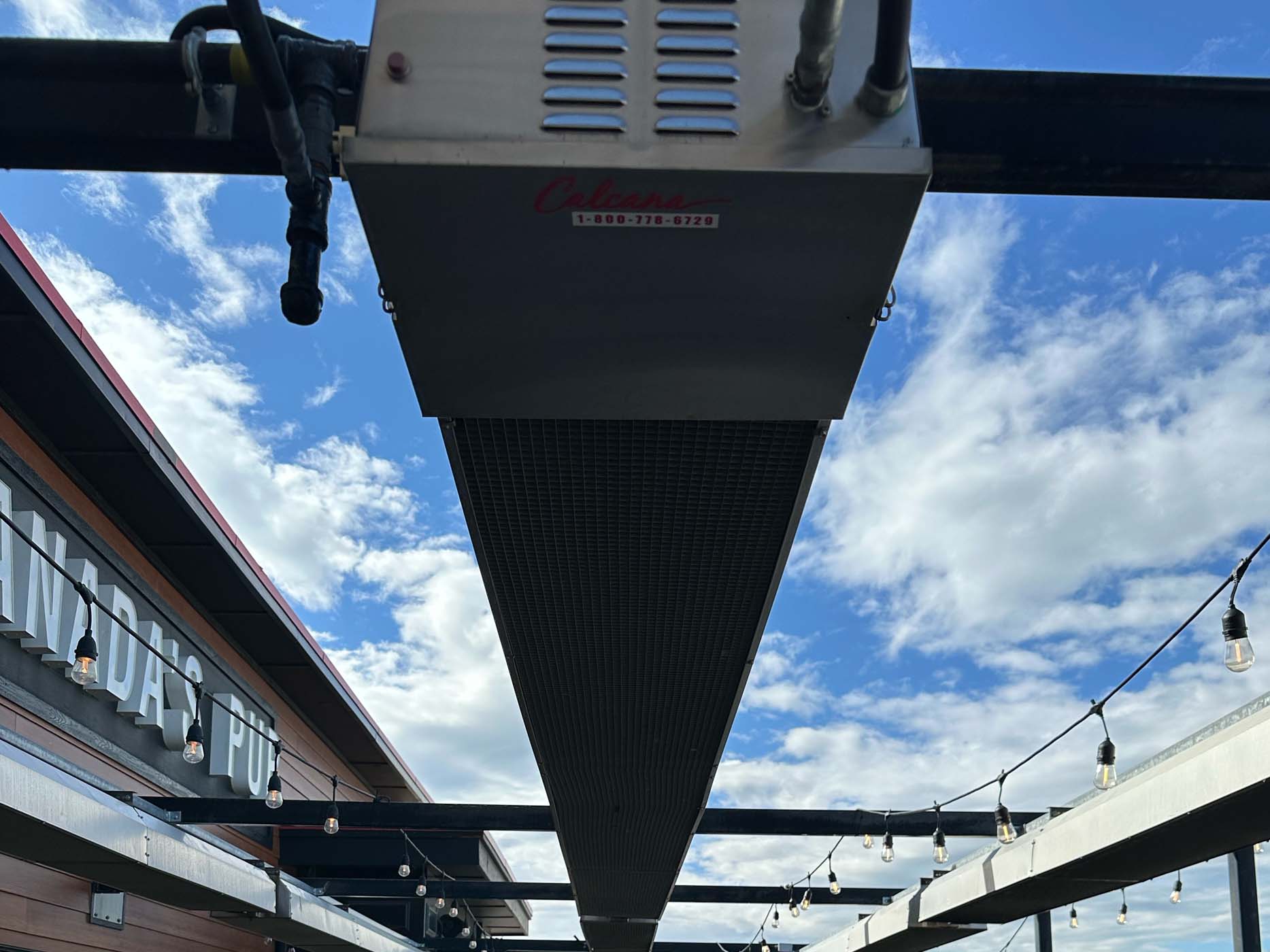
Calcana’s infrared heaters are engineered for professional residential and commercial installations where long-term safety, efficiency, and reliability matter most. Properly installed mounted systems help eliminate the risks associated with extension cord dependence while delivering consistent radiant warmth across a wide range of applications.
Final Thoughts
Are extension cords safe to use with infrared heaters? In most cases, extension cords should not be relied upon as permanent solutions for powering infrared heating systems.
While a properly rated heavy-duty cord may temporarily work with certain smaller portable units, infrared heaters place significant continuous demands on electrical systems that standard extension cords are often not designed to handle safely.
The safest approach is always to use professionally installed dedicated circuits or permanent wiring systems designed specifically for the heater’s electrical requirements. This not only improves safety but also enhances performance, efficiency, and long-term system reliability.
Investing in proper installation helps protect your property, your heating equipment, and the people using the space while ensuring dependable comfort season after season.
Upgrade Your Heating Setup With Confidence
Reliable infrared heating starts with safe installation and dependable electrical infrastructure.
Calcana’s mounted infrared heaters are built for long-term residential and commercial performance, delivering efficient radiant warmth without compromising reliability or safety. Whether you are heating a garage, patio, warehouse, workshop, or restaurant space, choosing a professionally installed heating system helps ensure safe operation and dependable comfort for years to come.

Leave a comment
This site is protected by hCaptcha and the hCaptcha Privacy Policy and Terms of Service apply.