

For decades, central heating has been the default solution for keeping homes, businesses, and industrial spaces warm. Furnaces, boilers, ductwork, and forced-air systems have long defined how we think about indoor comfort. But as energy costs rise, sustainability becomes a priority, and building designs evolve, many people are asking an important question:
Can infrared heating replace central heating altogether?
The short answer is: in many cases, yes, partially or fully, but it depends on the space, usage, and heating goals. The long answer is far more interesting.
Infrared heating represents a fundamental shift in how heat is delivered. Instead of warming air and circulating it throughout a building, infrared heaters warm people, objects, and surfaces directly. This difference opens the door to more efficient, targeted, and flexible heating strategies, especially in commercial, industrial, garage, and outdoor environments where traditional central heating struggles.
In this article, we’ll take a deep dive into how infrared heating works, how it compares to central heating, where it can replace it entirely, where it works best as a supplement, and why many businesses are already moving away from conventional systems in favor of infrared solutions like those offered by Calcana.
Understanding Central Heating: How It Works & Where It Falls Short Compared to Infrared Heating
Central heating systems are designed to heat an entire structure from a single source. This heat is typically generated by a furnace or boiler and distributed through ducts, radiators, or underfloor systems.
The Benefits of Central Heating
Central heating has remained popular for a reason:
-
It can maintain consistent temperatures throughout enclosed spaces
-
It integrates easily with thermostats and zoning systems
-
It’s familiar, widely available, and standardized
For tightly sealed residential homes in cold climates, central heating often provides reliable baseline warmth.
The Limitations of Central Heating
Despite its widespread use, central heating comes with significant drawbacks:
1. Inefficiency Through Heat Loss
Forced-air systems lose heat through ductwork, especially in older buildings. Warm air rises, escapes, or gets trapped in unused spaces.
2. Heating Unused Areas
Central heating warms entire buildings, even rooms that are rarely used. This “all-or-nothing” approach leads to wasted energy and higher utility bills.
3. Slow Response Time
Central systems take time to heat air, circulate it, and stabilize temperatures. This lag can be frustrating in spaces that need on-demand heat.
4. Poor Performance in Open or Large Spaces
Warehouses, workshops, garages, restaurants, and patios are notoriously difficult (and expensive) to heat with central systems.
5. Air Quality Issues
Dust, allergens, and pollutants are constantly circulated through ductwork, which can negatively impact indoor air quality.
These limitations have driven interest in alternative heating technologies, especially infrared.
What Is Infrared Heating: How Is It Different?
Infrared heating works on the same principle as the sun. It emits radiant energy that travels through the air and warms solid objects directly, people, floors, walls, equipment, and furniture.
Instead of heating air, infrared heaters create comfort at the surface level, which fundamentally changes how heat behaves in a space.
Key Characteristics of Infrared Heating
-
Quick warmth
-
Minimal heat loss
-
No air movement
-
Targeted heating zones
-
Quiet, clean operation
This makes infrared heating particularly effective in spaces where air-based systems are inefficient or impractical.
Can Infrared Heating Fully Replace Central Heating?
The Honest Answer: Sometimes, & Increasingly Often
Infrared heating can replace central heating entirely in certain environments, while in others it works best as a primary system supported by minimal supplemental heat.
Let’s break it down by application.
Residential Homes: Partial Replacement or Zone-Based Strategy
In modern, well-insulated homes, infrared heating can serve as a primary heat source, especially when designed as a zoned system.
Where Infrared Works Well in Homes
-
Garages and workshops
-
Basements
-
Home gyms
-
Sunrooms
-
Covered patios
-
Additions and renovations
-
Rooms with high ceilings
Rather than heating the entire house with one central system, homeowners can:
-
Reduce reliance on central heating
-
Heat only occupied spaces
-
Lower energy consumption
-
Improve comfort consistency
For whole-home replacement, infrared works best in:
-
New builds designed around radiant heat
-
Homes with excellent insulation
-
Open-concept layouts
-
Mild-to-moderate climates
In colder regions, many homeowners choose a hybrid approach, using central heating for baseline warmth and infrared heaters for targeted comfort where and when it’s needed.
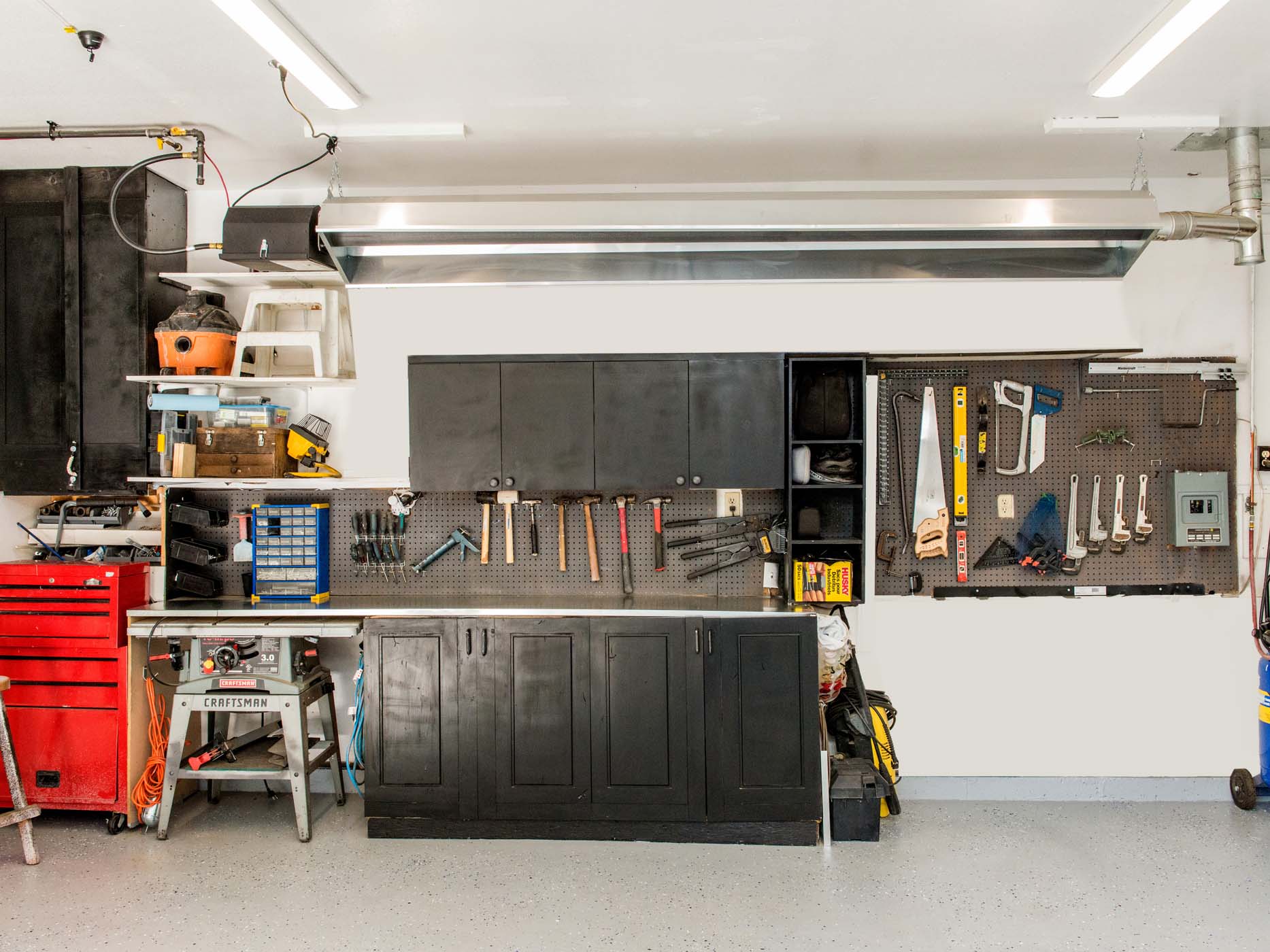
Garages, Workshops, & Outbuildings: Infrared Wins
This is where infrared heating truly shines, and often completely replaces central heating.
Traditional systems struggle in garages and workshops due to:
-
Poor insulation
-
Frequent door openings
-
High ceilings
-
Large open volumes
Infrared heaters, especially ceiling-mounted units like those from Calcana, solve these problems by:
-
Heating people and equipment directly
-
Maintaining comfort even when doors open
-
Eliminating the need to heat unused air
-
Reducing operating costs dramatically
In these spaces, infrared heating isn’t just an alternative, it’s often the superior primary solution.
Commercial Spaces: Restaurants, Retail, & Hospitality
Indoor Commercial Environments
Retail stores, showrooms, and offices benefit from infrared heating when:
-
Zones have different occupancy levels
-
Large windows cause heat loss
-
High ceilings make forced air inefficient
Infrared heaters allow business owners to:
-
Create warm customer zones
-
Reduce overall heating load
-
Improve comfort without overworking HVAC systems
Outdoor & Semi-Outdoor Spaces
For patios, terraces, and outdoor dining areas, central heating simply isn’t an option. Infrared heating doesn’t supplement central heating here, it replaces it entirely. Calcana’s infrared patio heaters are specifically designed to:
-
Withstand outdoor conditions
-
Deliver consistent warmth in open-air environments
-
Extend patio seasons year-round
-
Support restaurant revenue growth
Industrial & Warehouse Applications: A Clear Replacement Case
Large industrial facilities are some of the worst candidates for central heating.
Why?
-
Massive air volume
-
High ceilings
-
Constant airflow
-
Expensive ductwork
-
High energy waste
Infrared heating flips the script.
Why Infrared Replaces Central Heating in Industrial Spaces
-
Heats workers, not ceilings
-
Maintains comfort at floor level
-
Allows zone-based heating
-
Reduces energy costs significantly
-
Requires minimal infrastructure
Many industrial facilities either eliminate central heating entirely or keep it at a minimal baseline while relying on infrared heaters as the primary system.
Energy Efficiency Comparison: Infrared vs Central Heating
Central Heating Efficiency Challenges
-
Heat loss through ducts
-
Continuous operation required
-
High startup energy demand
-
Uniform heating regardless of occupancy
Infrared Efficiency Advantages
-
Near-instant heat
-
Lower operating times
-
Targeted energy use
-
Reduced overall consumption
In real-world applications, businesses often see 30–50% energy savings by switching to infrared heating strategies.
Installation & Infrastructure Considerations
Central Heating Requirements
-
Ductwork or piping
-
Mechanical rooms
-
Ongoing maintenance
-
Significant retrofit costs
Infrared Heating Installation
-
Ceiling or wall mounting
-
Minimal structural modification
-
Scalable and modular
-
Ideal for retrofits and expansions
Calcana heaters are designed for fixed, professional installation, making them ideal for permanent heating solutions in commercial and industrial environments.
Air Quality, Comfort, & Health
Central heating systems circulate air, and everything in it:
-
Dust
-
Allergens
-
Bacteria
-
Odors
Infrared heating operates quietly and cleanly:
-
No air movement
-
No drying effect
-
No dust circulation
This makes infrared heating particularly attractive for:
-
Allergy-sensitive environments
-
Food service spaces
-
Workshops
-
Health-conscious households
Safety & Reliability
Modern infrared heaters are built with safety in mind:
-
Fixed mounting (no tipping hazards)
-
Enclosed elements
-
Consistent, controlled heat output
-
Long service life
Calcana heaters are engineered for durability and long-term performance, making them suitable for demanding commercial and industrial use.
When Infrared Heating Should Supplement Central Heating
While infrared can replace central heating in many scenarios, there are cases where a hybrid approach makes sense:
-
Older homes with limited insulation
-
Extremely cold climates
-
Multi-story residential buildings
-
Spaces requiring constant background heat
In these cases, infrared heaters:
-
Reduce strain on central systems
-
Improve comfort in problem areas
-
Lower overall energy costs
-
Extend the life of existing HVAC equipment
The Future of Heating: Moving Beyond Central Systems
Heating is no longer about warming entire buildings indiscriminately. The future is:
-
Zoned
-
Efficient
-
On-demand
-
Smart-controlled
-
Purpose-built
Infrared heating aligns perfectly with these trends.
With advancements in electric infrared technology, smart controls, and integrated systems, infrared heating is no longer just an alternative, it’s becoming a preferred primary solution for many modern spaces.
Final Thoughts: So, Can Infrared Heating Replace Central Heating?
So, can infrared heating replace central heating? In many cases, the answer is no longer a simple “maybe”, it’s a confident and well-supported yes. As buildings become more energy-conscious, usage patterns more dynamic, and expectations for comfort more precise, traditional one-size-fits-all heating systems are beginning to show their age. Infrared heating offers a smarter, more adaptable alternative that aligns with how people actually use their spaces.
Rather than heating entire buildings evenly, regardless of occupancy or need, infrared heating delivers warmth exactly where it matters most. This targeted approach not only improves comfort but dramatically reduces wasted energy, making it an ideal solution for garages, workshops, warehouses, commercial spaces, and outdoor environments where central heating struggles or simply isn’t practical. In these settings, infrared heating doesn’t just supplement traditional systems, it often replaces them entirely.
For residential spaces, infrared heating empowers homeowners with flexibility. Whether it’s warming a garage workspace, a home gym, a basement, or a covered patio, infrared heaters provide on-demand comfort without requiring the entire home’s heating system to work overtime. Even in colder climates where central heating remains necessary, infrared technology plays a critical role in reducing energy consumption, eliminating cold spots, and improving overall comfort. The result is a hybrid heating strategy that works smarter, not harder.
From a business perspective, the value becomes even clearer. Restaurants, retailers, manufacturers, and facility managers are increasingly turning to infrared heating to lower operating costs, improve employee and customer comfort, and create more usable space year-round. Infrared heaters eliminate the inefficiencies of heating massive air volumes, reduce maintenance requirements, and offer scalable solutions that grow with the business. In an era where energy efficiency and sustainability are no longer optional, these advantages matter.
Ultimately, the future of heating isn’t about replacing one system with another, it’s about choosing the right solution for each environment. Infrared heating challenges the traditional assumptions of central heating by offering precision, efficiency, and performance that modern spaces demand. As technology continues to advance and more people experience the benefits firsthand, infrared heating is quickly becoming not just an alternative, but a preferred primary solution.
At Calcana, we believe heating should be intentional, efficient, and built around real-world use, not outdated conventions. Whether you’re looking to fully replace central heating in a specific space or enhance an existing system with targeted infrared warmth, the right solution starts with understanding how heat truly works. And for many spaces today, infrared heating is proving to be the smarter, cleaner, and more future-ready way forward.

Leave a comment
This site is protected by hCaptcha and the hCaptcha Privacy Policy and Terms of Service apply.