
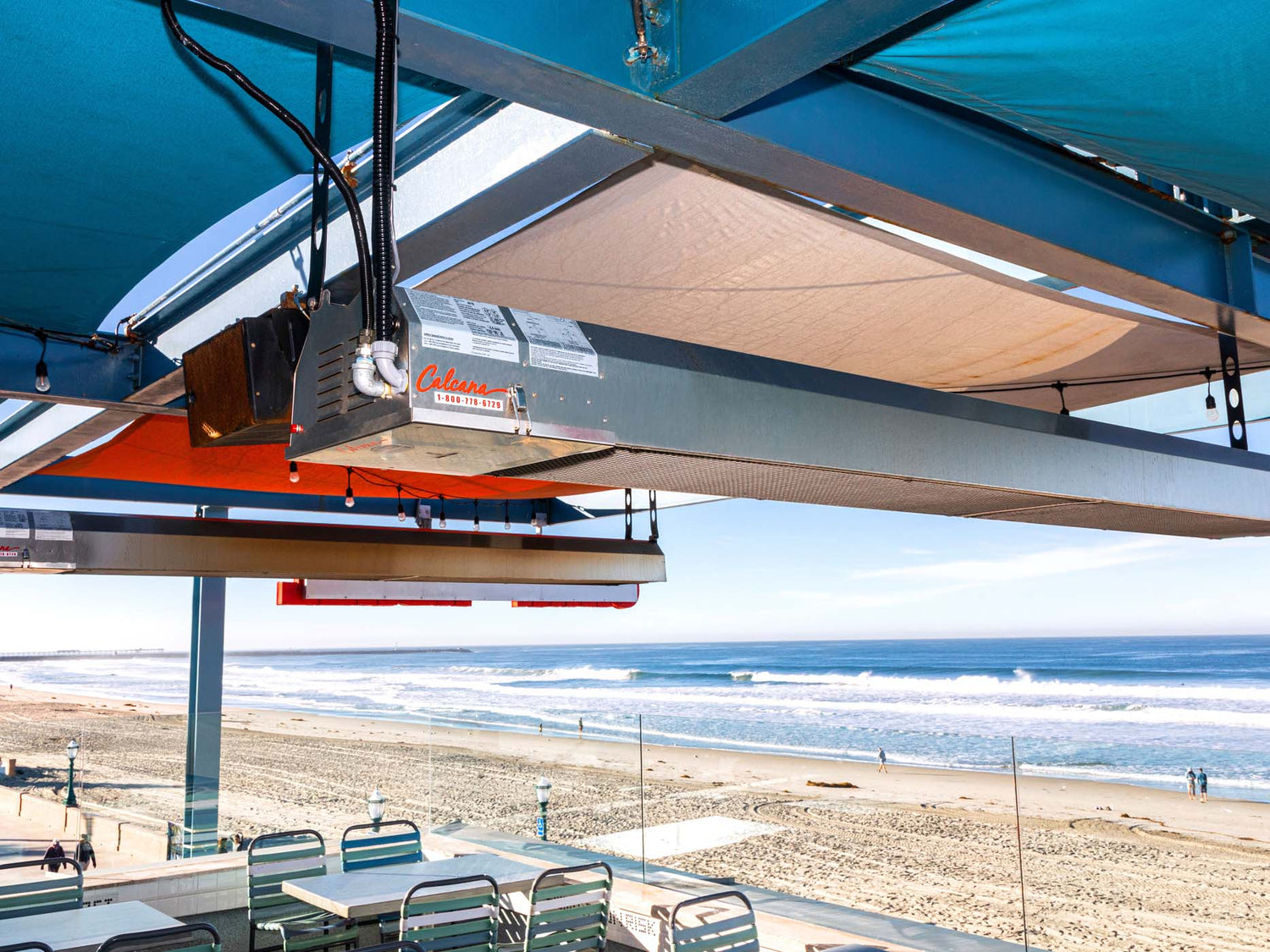
As 2026 unfolds, infrared heating technology stands at the forefront of a rapidly evolving landscape in climate comfort. What started as a specialized solution for patios, garages, and industrial spaces has transformed into an efficient, versatile heating strategy with applications across residential, commercial, and hospitality environments. From smart integrations and sustainability breakthroughs to advanced materials and new performance standards, infrared heat is undergoing a wave of innovation that’s expanding its potential like never before.
In this article, we’ll explore the key infrared heating innovations and trends to watch in 2026 and beyond, including technology developments, industry shifts, and real-world applications that are shaping the future of radiant heat. Whether you’re a specifier, contractor, business owner, or homeowner, you’ll find strategies and trends that help you stay informed and ahead of the curve.
The Evolution of Infrared Heating: Innovations, Smart Tech, & Trends Shaping 2026
Infrared heating has come a long way since its early adoption in industrial and warehouse settings. Originally chosen for its efficiency in wide-open spaces, radiant heat has increasingly been recognized for its ability to deliver targeted comfort without heating the air. This core benefit, heating objects and people directly, has made it a favorite for spaces where traditional convection systems struggle.
In 2026, infrared heating is no longer a niche solution. It’s being integrated into:
-
Residential outdoor living spaces
-
Commercial patios and dining areas
-
Hospitality venues
-
Automotive service bays
-
Large industrial facilities
-
Growing smart home ecosystems
This shift is fueled by a combination of efficiency demands, design flexibility, sustainability goals, and technological integration.
Smart Infrared Heating Systems: Connectivity & Control
One of the biggest trends in 2026 is the rise of smart infrared heating systems that integrate with home and building automation platforms. Users are no longer satisfied with simple on/off controls, they want precision, remote access, and adaptive performance.
Smart Thermostats & App-Based Control
Modern infrared heaters are now compatible with smart thermostats and mobile apps, enabling:
-
Remote temperature control
-
Scheduling based on occupancy patterns
-
Integration with voice assistants (Alexa, Google Home, etc.)
-
Geofencing that adjusts heat as people enter or exit spaces
This level of control not only enhances comfort but also improves energy efficiency by reducing unnecessary operation.
Adaptive Algorithms
AI and machine learning are beginning to play a role in infrared systems. Advanced heaters can analyze:
-
Usage patterns
-
Weather forecasts
-
Occupancy trends
…to adjust heat delivery proactively. Imagine a patio heater that increases warmth just before dinner service begins based on historical data, or one that dims output when outdoor temperatures rise unexpectedly.
Data-Driven Heating: Sensors & Feedback Loops
Another emerging trend in 2026 is real-time sensor integration.
Infrared heaters are being paired with:
-
Ambient sensors that measure temperature, humidity, and airflow
-
Motion detectors to identify occupied zones
-
Heat mapping technology to track where warmth is most needed
These systems can then update heat output dynamically, focusing energy where it’s needed most rather than broadcasting uniform heat in every direction.
Benefits include:
-
Reduced energy waste
-
More comfortable temperature zones
-
Faster response to changing conditions
-
Better performance in mixed indoor/outdoor spaces
For businesses like restaurants and resorts, this means enhanced guest comfort without the inefficiencies of traditional heat systems.
Green & Sustainable Heating Innovations
Sustainability isn’t just a buzzword, it’s now a core driver of innovation in building systems and equipment. Infrared heating technologies are uniquely positioned to lead in this space due to their efficiency and targeted heat delivery.
Lower Carbon Footprints
Infrared heaters reduce energy consumption by focusing only on occupied zones and by minimizing heat loss, especially in outdoor or open spaces. This aligns with broader energy reduction goals and can help properties meet sustainability certificates and standards.
Hybrid Energy Integrations
In 2026, we’re seeing blended energy systems that pair infrared heaters with:
-
Solar-assisted power sources
-
Battery storage systems
-
Demand response grids
-
Building energy management systems (BEMS)
These integrations help reduce load, manage peak demand, and support electrification plans while maintaining radiant comfort.
Eco-Friendly Materials & Manufacturing
Manufacturers are exploring more sustainable materials and processes, including:
-
Recycled metals and composites
-
Longer-lasting components reducing waste
-
Lower-impact surface coatings
-
Packaging innovations that reduce material use
This holistic approach is part of a broader shift toward energy-responsible products that perform well and minimize environmental impact.
Advanced Materials & Manufacturing Techniques
The materials and construction of infrared heaters are evolving, too.
Improved Reflective Surfaces
Advanced reflector designs now:
-
Reduce heat loss
-
Increase directional heat projection
-
Provide more consistent warmth across zones
Reflectors with optimized curvature and surface properties can capture and redirect infrared energy more efficiently than traditional designs.
High-Temperature Coatings
Better coatings improve:
-
Corrosion resistance (especially in outdoor environments)
-
Longevity under repetitive heat cycling
-
Aesthetic durability in commercial spaces
These coatings help keep heaters performing and looking good for years, even in harsh conditions.
Modular, Scalable Designs
Increasingly, manufacturers are moving toward modular units that can be easily scaled or combined to match the size and configuration of diverse spaces, from small decks to expansive event patios. Modular systems allow for:
-
Customized zone heating
-
Phased installation
-
Easy maintenance
-
Future expansion
Flexible Mounting & Integration Solutions
Infrared heaters are no longer limited to traditional wall or ceiling mounts. In 2026 and beyond, installation options expand significantly to match architectural diversity.
Retractable & Adjustable Mounting Systems
These systems make it possible to:
-
Adjust heater height and angle easily
-
Retract heaters out of sight when not in use
-
Change configurations seasonally or based on space usage
This appeals to venues that host varied event types and need flexible heating solutions that adapt without structural changes.
Integration with Architectural Elements
Infrared heaters are being built into:
-
Pergolas
-
Awnings
-
Outdoor canopies
-
Ceiling structures
-
Custom metalwork
This creates a seamless look and elevates design while maintaining peak performance.
Zoning & Micro-Climate Control
In 2026, heating systems are moving beyond single-temperature settings. Infrared heaters are now part of micro-climate control strategies that allow different zones within a space to have unique temperature settings.
For example:
-
Restaurant patios with multiple seating areas can adjust heat levels per zone
-
Outdoor event spaces can prioritize warmth in high-traffic areas
-
Retail or hospitality venues can manage heat based on real-time demand
This level of control enhances comfort while reducing unnecessary energy use.
Safety Innovations & Compliance Standards
As infrared heating becomes more widespread, safety and compliance have grown in importance. In 2026 and beyond, new safety features and standards are gaining traction.
Smart Safety Shutdowns
Infrared heaters are increasingly equipped with built-in safety systems that:
-
Shut down if overheating is detected
-
Monitor surrounding materials
-
Detect obstructions or unsafe conditions
These systems minimize risk and improve reliability in commercial environments where safety standards are stringent.
Updated Codes & Compliance
New installation codes now specifically address:
-
Radiant heaters in outdoor hospitality settings
-
Clearances against combustible materials
-
Integration with building safety systems
-
Fire suppression compatibility
Manufacturers and installers are adapting designs to align with modern building code expectations.
Enhanced Performance in Outdoor Environments
One reason infrared heating continues to grow is its superior performance in outdoor and semi-enclosed spaces, environments that have historically been difficult to heat efficiently.
Trends in 2026 and beyond focus on:
-
Wind-resistant heat delivery
-
Temperature stabilization despite ambient conditions
-
Distributed radiant coverage for larger footprints
These advancements help venues like rooftop bars, outdoor restaurants, parks, and even event venues maintain cozy environments even when temperatures dip.
Integration With Smart Building Systems
The broader building technology ecosystem is evolving, and infrared heating is becoming an integrated component.
This includes:
Connection to Building Management Systems (BMS)
Infrared heaters now communicate with:
-
HVAC systems
-
Lighting controls
-
Occupancy sensors
-
Energy dashboards
This unified control allows buildings to optimize comfort and efficiency holistically rather than treating heating as a separate function.
Data-Driven Insights & Reporting
Thanks to connectivity, operators can now access:
-
Usage statistics
-
Energy consumption reports
-
Performance analytics
This data helps owners optimize maintenance schedules, anticipate peak usage, and plan upgrades.
Hybrid Heating Strategies
Instead of relying on a single method, many spaces are adopting hybrid heating solutions that combine:
-
Infrared heat
-
Convection systems
-
Localized air curtains
-
Supplemental heaters
This layered approach maximizes comfort while minimizing energy use. For example, infrared heaters provide comfort where people are sitting, while convection systems manage ambient temperatures where needed.
Electrification & Renewable Energy Compatibility
As buildings electrify and traditional fossil fuel use declines, infrared heating, especially electric infrared, is well positioned for growth.
Smart electrification strategies include:
-
Pairing with solar panels
-
Integration with battery storage systems
-
Load balancing across electric infrastructure
-
Demand response participation
Electric infrared heaters shift load away from inefficient systems and support broader sustainability goals.
Innovative Materials for Next-Level Durability
Advances in materials science are enabling infrared heaters to survive in more extreme environments:
Marine-Grade Alloys
Built to withstand:
-
Salt air
-
Humidity
-
Corrosion
This makes them ideal for coastal eateries and seaside venues.
High-Performance Ceramics
New ceramic elements improve:
-
Thermal retention
-
Heat distribution
-
Longevity
These enhancements raise performance and reliability.
Focused Comfort & Directional Heating
Rather than just blasting heat in all directions, modern infrared systems allow more precise focus, enabling:
-
Targeted warmth for specific zones
-
Adjustment for seating orientation
-
Seasonal configuration changes
This encourages efficient design and creates better comfort outcomes for guests and residents.
The Rise of Infrared Heating Services & Expertise
As technologies mature, service and expertise become differentiators:
-
Certified installers
-
Design consultation services
-
Heat mapping expertise
-
Layout planning for hospitality zones
This professionalization ensures better outcomes and smarter heating strategies.
Expanding Residential Interest & Adoption
Historically dominated by commercial applications, infrared heating is experiencing a surge in residential adoption, especially as outdoor living spaces become focal points for modern homes.
Key drivers include:
-
Outdoor kitchens and entertainment areas
-
Heated patios and decks
-
Enclosed sunrooms
-
Garage workshop comfort
-
Wellness spaces like patios for yoga/relaxation
Homeowners increasingly value permanent, integrated heating over temporary solutions that lack durability and aesthetics.
Greater Customization & Modularity
Infrared heaters in 2026 and beyond offer more customization than ever:
-
Adjustable output levels
-
Integrated control panels
-
Different mounting solutions
-
Modular arrays for large spaces
This flexibility makes systems easier to scale and adapt as spaces evolve.
Improved Aesthetic Integration
Modern designs are no longer bulky or industrial. Today’s heaters:
-
Blend into architecture
-
Match design schemes
-
Complement modern outdoor furnishings
-
Offer low-profile mounting
Aesthetics matter, especially in hospitality and high-end residential markets.
Cross-Industry Adoption Beyond Hospitality & Residential
Infrared heating is spreading into new sectors:
-
Sports facilities
-
Transit shelters
-
Public outdoor spaces
-
Event venues
-
Agricultural drying zones
This cross-industry adoption highlights how versatile and effective radiant heat can be in contexts where traditional heat is impractical.
The Future Outlook: Smart, Efficient, & Stylish
Infrared heating’s trajectory into 2026 and beyond is clear, it will become smarter, more integrated, more sustainable, and more design-centric. From advanced control systems and AI-driven comfort strategies to hybrid heating ecosystems and new materials, the innovations reshaping this technology are exciting and real.
Whether you’re an architect specifying systems for commercial builds, a restaurant owner extending patio season, or a homeowner upgrading your outdoor living space, the coming years promise greater performance, better control, and more value than ever before.
Final Thoughts
As infrared heating continues to evolve, the trends shaping 2026 point toward smarter systems, greater efficiency, and more sustainable solutions that prioritize comfort without compromise. From advanced control technology and data-driven performance to electrification and seamless architectural integration, the future of infrared heating is focused on adaptability, precision, and long-term value.
At Calcana, many of these innovations are already well underway. Our commitment to advancing infrared heating technology includes the development of new electric heater solutions designed to meet the growing demand for efficient, forward-thinking heating options. As electrification becomes a priority across residential and commercial spaces, Calcana is actively expanding its product offerings to support cleaner energy strategies without sacrificing performance or reliability.
In addition, Calcana is embracing smart heating technology with the introduction of a brand-new intelligent control app. This upcoming platform will give users greater control, flexibility, and insight into their heating systems, allowing for improved comfort, energy management, and customization across a wide range of environments. From scheduling and zone control to real-time adjustments, smart integration is becoming a cornerstone of modern infrared heating—and Calcana is ensuring its customers stay ahead of the curve.
Beyond product innovation, Calcana continues to focus on durability, design integration, and ease of installation, aligning with industry trends toward modular systems, architectural compatibility, and long-term performance. Whether it’s improving mounting options, refining heater aesthetics, or enhancing system efficiency, Calcana remains committed to delivering solutions that meet the evolving needs of today’s spaces while preparing for the demands of tomorrow.
As infrared heating technology moves forward, one thing remains clear: the future is smart, efficient, and built to last. With ongoing innovation, expanded electric offerings, and intelligent control solutions on the horizon, Calcana is proud to be shaping the next generation of infrared heating—helping customers create warm, comfortable environments with confidence well into the future.

Leave a comment
This site is protected by hCaptcha and the hCaptcha Privacy Policy and Terms of Service apply.