

When it comes to heating indoor and outdoor spaces, safety is often the very first concern, and rightfully so. Whether you’re warming a residential garage, a commercial patio, a warehouse, or a restaurant terrace, no one wants to trade comfort for risk. As infrared heating continues to grow in popularity across residential, commercial, and industrial environments, one question continues to surface:
Is infrared heating safe for indoor and outdoor use?
The short answer is yes, when designed, installed, and used correctly, infrared heating is one of the safest, most efficient heating technologies available today. But to truly understand why, it’s important to unpack how infrared heaters work, how they differ from traditional heating systems, and what safety standards, certifications, and design features make them suitable for year-round use in a wide range of environments.
In this comprehensive guide, we’ll explore the science behind infrared heat, address common safety concerns, explain how infrared heaters perform indoors and outdoors, and highlight what makes professional-grade systems—like those from Calcana—a trusted choice for safe, reliable warmth.
To evaluate whether infrared heating is safe, it helps to first understand what infrared heat actually is, and what it is not.
What Is Infrared Heat?
Infrared heat is a form of radiant energy that travels in electromagnetic waves. It sits just beyond visible light on the electromagnetic spectrum and is completely natural. In fact, infrared radiation is the same type of heat energy produced by the sun, minus the harmful ultraviolet (UV) rays.
Every day, your body emits infrared heat. When you stand near a campfire or feel warmth from sunlight on a cold day, you’re experiencing radiant heat at work.
Infrared heaters replicate this natural process by producing controlled infrared wavelengths that gently warm people, surfaces, and objects directly, rather than heating the air around them.
Infrared Heat vs. Harmful Radiation
One of the most common misconceptions about infrared heaters is that they emit dangerous radiation. This confusion often comes from lumping all “radiation” into the same category.
It’s important to clarify:
-
Infrared radiation is non-ionizing
-
It does not damage DNA
-
It does not cause burns when used correctly
-
It does not emit UV rays, X-rays, or gamma radiation
Professional infrared heaters operate within safe wavelength ranges that are widely studied and approved for human exposure. Regulatory bodies and safety organizations have consistently found infrared heating to be safe when systems meet industry standards and are properly installed.
How Infrared Heating Differs from Traditional Heating Systems & Why It Matters
Safety is often tied to how a heating system works. Compared to traditional forced-air or convection heating, infrared systems offer several inherent safety advantages.
No Blown Air, No Circulation of Contaminants
Traditional heaters warm air and circulate it throughout a space. This can:
-
Stir up dust, allergens, and debris
-
Dry out indoor air
-
Spread airborne contaminants
Infrared heaters, on the other hand, do not rely on air movement. They heat surfaces directly, making them ideal for garages, workshops, restaurants, and industrial settings where air quality matters.
Lower Fire Risk from Airborne Materials
Because infrared heaters don’t blow hot air, they significantly reduce the risk of igniting airborne particles, an important safety benefit in environments like:
-
Warehouses
-
Auto shops
-
Woodworking spaces
-
Agricultural buildings
Are Infrared Heaters Safe for Indoor Use?
Yes, infrared heaters are widely used indoors across residential, commercial, and industrial settings. However, safety depends on heater quality, proper installation, and application-specific design.
Common Indoor Applications for Infrared Heating
Infrared heaters are commonly installed indoors in:
-
Residential garages and workshops
-
Warehouses and manufacturing facilities
-
Aircraft hangars
-
Commercial kitchens
-
Retail spaces
-
Gyms and fitness facilities
-
Automotive service bays
In each of these environments, infrared heating offers controlled, targeted warmth without compromising safety.
Clearance to Combustibles
One of the most important safety considerations for indoor infrared heaters is clearance to combustibles.
High-quality infrared heaters are engineered with:
-
Low clearance requirements
-
Precision reflectors that direct heat downward
-
Shielded burner boxes or heating elements
Calcana heaters, for example, are designed with low clearances to combustibles, allowing them to be safely installed in spaces where traditional heaters might pose a risk.
Ventilation & Indoor Air Quality
Gas-fired infrared heaters designed for indoor use are engineered to burn cleanly and efficiently. When installed according to manufacturer guidelines and local building codes, they:
-
Maintain safe oxygen levels
-
Produce minimal emissions
-
Do not compromise indoor air quality
Certified indoor heaters are tested extensively to ensure safe combustion and proper exhaust behavior when applicable.
Are Infrared Heaters Safe for Outdoor Use?
Infrared heating truly shines outdoors, both literally and figuratively.
Outdoor environments pose unique challenges for heating systems, including wind, moisture, temperature fluctuations, and open air. Infrared heaters are uniquely suited to handle these conditions safely.
Why Infrared Heating Excels Outdoors
Unlike forced-air heaters, infrared systems don’t try to heat the surrounding air. Instead, they deliver warmth directly to people and objects, meaning:
-
Wind does not “blow the heat away”
-
Energy is not wasted heating open air
-
Heat remains consistent and comfortable
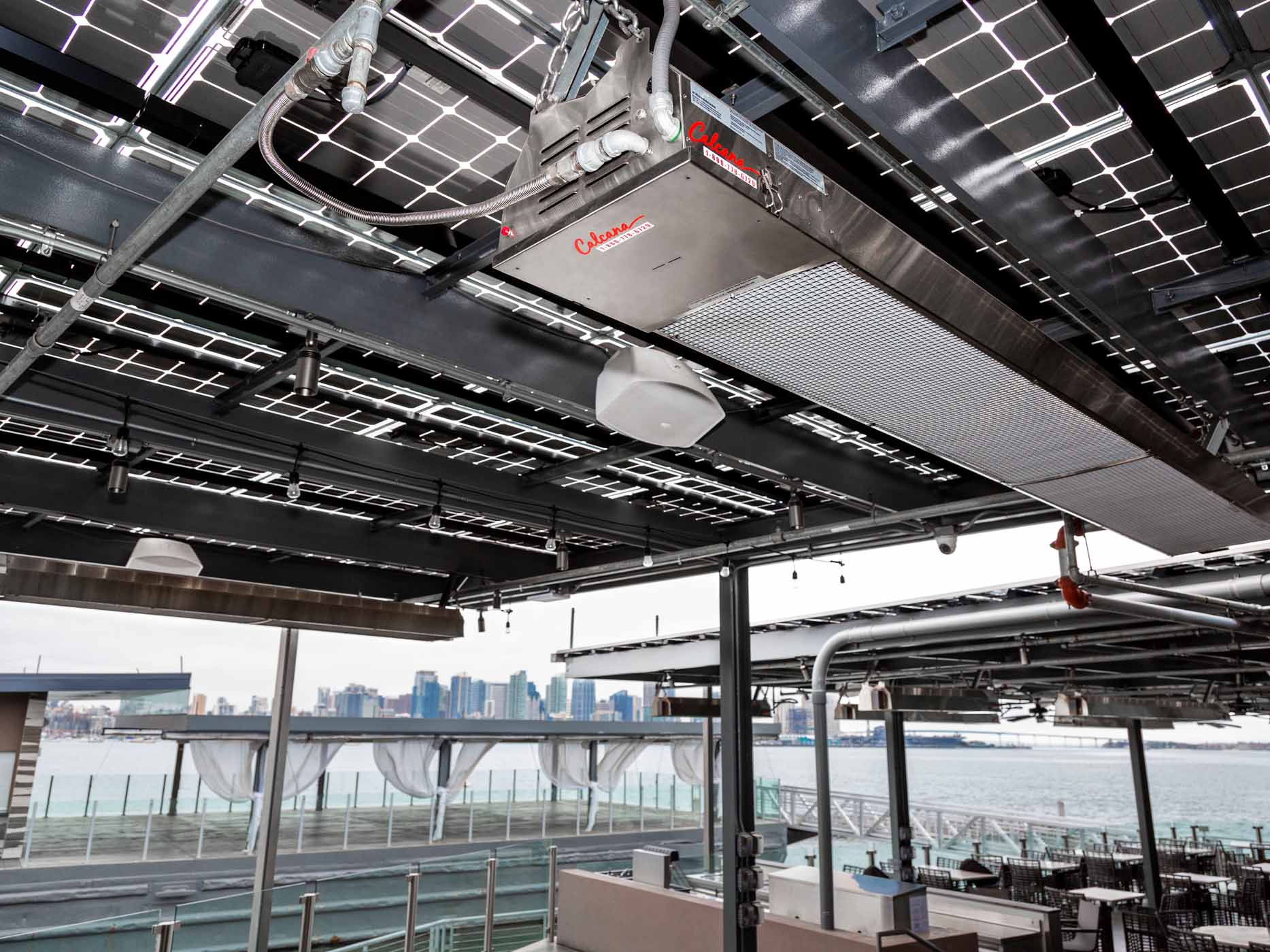
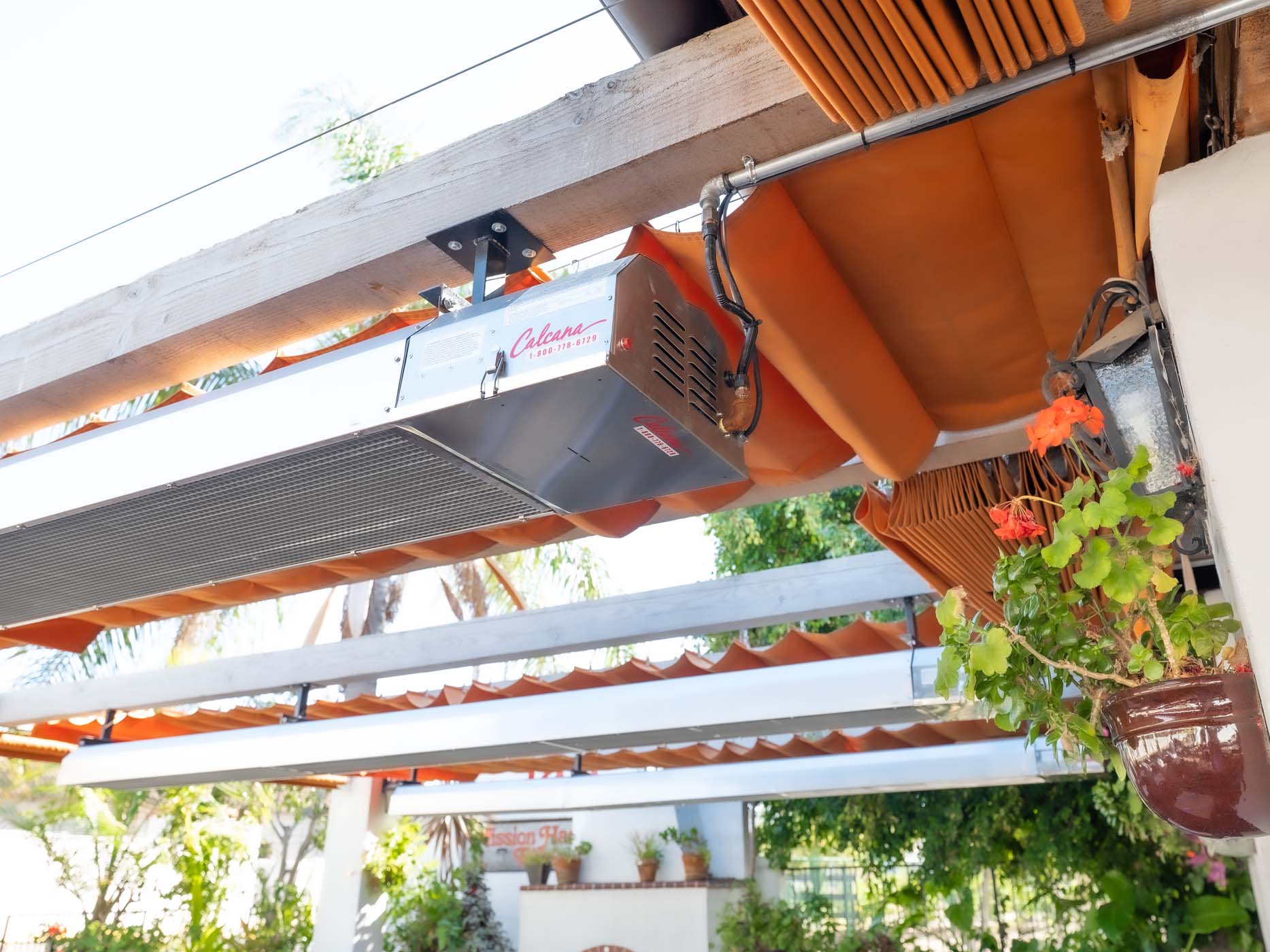
This makes infrared heaters ideal for patios, restaurant terraces, outdoor bars, event venues, loading docks, and covered walkways.
Safety in Rain, Snow, & Moisture
Professional-grade outdoor infrared heaters are built with weather resistance in mind. Key safety features include:
-
Sealed burner boxes
-
Corrosion-resistant materials like stainless steel
-
Protective coatings
-
CSA and AGA certifications for outdoor use
When installed under proper coverage and according to specifications, infrared heaters are safe to operate in damp, rainy, or snowy conditions.
Calcana’s outdoor heaters are engineered specifically for harsh climates, making them a trusted solution across Canada and the northern United States.
Key Safety Certifications That Matter
One of the clearest indicators of infrared heater safety is third-party certification.
CSA & AGA Certification
Certified infrared heaters undergo rigorous testing to ensure they meet or exceed safety standards related to:
-
Combustion efficiency
-
Temperature control
-
Structural integrity
-
Electrical safety
-
Environmental exposure
Calcana heaters are certified by:
-
CSA (Canadian Standards Association)
-
AGA (American Gas Association)
These certifications confirm that the heaters are safe for both indoor and outdoor applications when installed properly.
Built-In Safety Features of Modern Infrared Heaters
Today’s infrared heaters are designed with multiple layers of safety built in.
Overheat Protection
Many infrared heaters include automatic shut-off systems that activate if internal temperatures exceed safe operating limits.
Sealed Burner Box Design
A sealed burner box:
-
Prevents dust and moisture intrusion
-
Reduces flame disruption
-
Improves long-term reliability and safety
Calcana’s sealed burner boxes are especially beneficial in industrial and outdoor environments.
Stable Mounting Configurations
Ceiling-mounted and wall-mounted infrared heaters:
-
Eliminate tripping hazards
-
Reduce accidental contact
-
Keep heat sources safely out of reach
Addressing Common Safety Myths About Infrared Heating
“Infrared Heaters Are Too Hot”
Infrared heaters emit controlled radiant heat, not open flames or exposed coils. When installed at the correct height and angle, they provide comfortable warmth without overheating people or surfaces.
“They’re Not Safe Around Children or Pets”
Because infrared heaters are typically ceiling- or wall-mounted, they are far safer than portable heaters that sit on the floor. There’s no risk of tipping, pulling, or accidental contact.
“They Cause Dry Air or Headaches”
Infrared heaters do not dry out the air or reduce oxygen levels the way forced-air systems can. Many users report improved comfort and fewer respiratory issues.
Proper Installation: The Key to Safe Performance
Even the safest heater requires proper installation.
Professional installation ensures:
-
Correct mounting height
-
Proper clearance to combustibles
-
Secure electrical or gas connections
-
Compliance with local codes
Calcana supports installers, architects, and engineers with:
-
Custom heat-loss analysis
-
Layout and design services
-
Factory-staffed technical support
This ensures every system performs safely and efficiently from day one.
Long-Term Safety & Maintenance
Infrared heaters are known for their durability and low maintenance requirements.
Minimal Moving Parts
Infrared heaters:
-
Experience less wear and tear
-
Have fewer failure points
-
Require minimal servicing
Simple Maintenance
Routine safety maintenance typically includes:
-
Visual inspections
-
Occasional reflector cleaning
-
Ensuring mounts remain secure
When properly maintained, high-quality infrared heaters can operate safely for decades.
Why Calcana Infrared Heaters Set the Safety Standard
Since 1988, Calcana has specialized exclusively in infrared heating, designing systems with safety, efficiency, and longevity at the forefront.
Calcana heaters feature:
-
Low clearances to combustibles
-
CSA & AGA certifications
-
Sealed burner box construction
-
Stainless steel options for outdoor durability
-
Advanced reflector designs for even heat distribution
-
Fuel savings of 30–40% over conventional heating systems
From residential garages to industrial facilities and hospitality patios, Calcana heaters are engineered to deliver safe, reliable comfort in any environment.
Final Thoughts: Safe, Proven, & Built for Real-World Comfort
So, is infrared heating safe for indoor and outdoor use?
Absolutely.
When you choose a professionally engineered, certified infrared heating system and ensure proper installation, infrared heat is not only safe, it’s one of the most efficient, comfortable, and dependable heating solutions available today.
From clean indoor operation to weather-resistant outdoor performance, infrared heaters offer peace of mind alongside powerful warmth. And with decades of expertise behind every unit, Calcana continues to set the standard for safe, high-performance infrared heating, helping homes and businesses stay warm, comfortable, and confident all year long.
From all of us at Calcana, here’s to smarter heating, safer spaces, and comfort you can trust, indoors and out.
Leave a comment
This site is protected by hCaptcha and the hCaptcha Privacy Policy and Terms of Service apply.