
Industrial heating has played a critical role in manufacturing, warehousing, agriculture, logistics, and commercial operations for centuries. From the earliest factories of the Industrial Revolution to today’s advanced distribution centers and production facilities, the ability to create and maintain comfortable working conditions has always been closely tied to productivity, safety, equipment performance, and operational efficiency.
As industries have evolved, so have the methods used to heat industrial spaces. Early facilities relied on rudimentary heating systems that were often inefficient, difficult to control, and expensive to operate. Over time, technological advancements introduced steam heating, forced-air systems, unit heaters, radiant tube heaters, and eventually modern infrared heating technologies that transformed how industrial buildings are heated.
Today, facility owners are under increasing pressure to reduce energy consumption, improve workplace comfort, lower operating costs, and meet sustainability goals. As a result, industrial heating solutions continue to evolve toward more targeted, efficient, and intelligent systems.
Understanding the evolution of industrial heating solutions provides valuable insight into why modern infrared heating has become one of the most effective methods for heating warehouses, manufacturing facilities, agricultural buildings, aircraft hangars, maintenance shops, and other large industrial spaces.
The Early Days of Industrial Heating: Keeping Workers & Equipment Warm Before Modern Heating Technology
Before modern heating technology existed, industrial facilities depended on simple heat sources to keep workers warm and processes functioning during cold weather.
During the early stages of industrialization, factories commonly relied on:
-
Wood-burning stoves
-
Coal-fired furnaces
-
Open fires
-
Steam boilers
-
Cast iron radiators
These systems were often centralized, meaning heat was generated in one location and distributed throughout the building.
While these methods represented significant advancements for their time, they came with major limitations.
Temperature control was inconsistent, fuel consumption was extremely high, and heat distribution was often uneven. Workers closest to heat sources experienced excessive temperatures while those farther away frequently remained uncomfortable.
In many facilities, maintaining warmth was less about comfort and more about preventing machinery from freezing or becoming difficult to operate.
The Industrial Revolution & the Rise of Steam Heating
The Industrial Revolution dramatically changed the way businesses approached heating.
As factories grew larger and production increased, facility owners required heating systems capable of serving bigger spaces and larger workforces.
Steam heating emerged as one of the first scalable industrial heating solutions.
Steam boilers generated heat that traveled through a network of pipes to radiators placed throughout a building.
This approach offered several advantages:
Centralized Heat Production
Instead of maintaining multiple stoves throughout a facility, operators could manage a single boiler system.
This reduced labor requirements and simplified fuel management.
Improved Heat Distribution
Steam could transport heat throughout large buildings more effectively than localized heating methods.
Factories could now provide warmth to multiple work areas simultaneously.
Greater Reliability
Steam systems generally provided more consistent heating than wood or coal stoves.
However, steam heating still had significant shortcomings.
Large amounts of energy were lost during distribution, and temperature control remained relatively limited. Maintenance requirements were substantial, and steam systems often required dedicated personnel for operation and monitoring.
The Introduction of Hot Water Heating Systems
As heating technology advanced, hot water systems began replacing steam in many industrial environments.
Hot water heating provided:
-
Better temperature control
-
Improved safety
-
Lower operating pressures
-
Reduced maintenance
Hot water systems circulated heated water through pipes rather than steam, reducing stress on equipment and minimizing heat losses.
While these systems improved comfort and efficiency, they still faced challenges when heating very large industrial buildings.
High ceilings and expansive floor plans often resulted in uneven heat distribution and significant energy waste.
The Expansion of Industrial Buildings Creates New Challenges
By the mid-20th century, industrial facilities were becoming much larger.
Warehouses expanded vertically and horizontally to accommodate increasing inventory demands. Manufacturing facilities adopted open layouts to support production lines and heavy equipment.
These larger spaces created new heating challenges.
Facility owners struggled with:
-
High ceilings
-
Large open floor plans
-
Frequent door openings
-
Air infiltration
-
Poor insulation
Traditional heating methods that worked reasonably well in smaller buildings often became inefficient and costly in these larger environments.
The Rise of Forced-Air Heating Systems
To address growing industrial heating demands, forced-air heating systems became increasingly popular.
These systems worked by heating air and distributing it throughout a building using fans and ductwork.
For many years, forced-air systems represented a major advancement.
Faster Heating
Air could be heated relatively quickly and distributed throughout the facility.
Greater Coverage
Large fans helped move warm air across expansive spaces.
Improved Temperature Control
Thermostats allowed operators to regulate temperatures more effectively.
Forced-air systems quickly became the standard heating solution for many industrial applications.
However, as facilities continued growing in size, limitations became apparent.
The Problem of Thermal Stratification
One of the biggest challenges associated with forced-air heating is thermal stratification.
Warm air naturally rises.
In facilities with ceilings ranging from 20 to 60 feet high, heated air accumulates near the roof while workers remain at floor level.
This creates significant temperature differences throughout the building.
In many warehouses:
-
Ceiling temperatures may exceed 90°F
-
Floor-level temperatures remain uncomfortably cold
Facility owners often compensate by raising thermostat settings, which increases energy consumption without adequately solving the problem.
Thermal stratification remains one of the primary reasons many industrial buildings struggle with heating efficiency today.
Rising Energy Costs Drive Innovation
The energy crises of the 1970s forced businesses to reevaluate their heating systems.
As fuel prices increased dramatically, facility owners began searching for ways to reduce energy consumption without sacrificing comfort.
This shift encouraged the development of more efficient heating technologies.
Manufacturers focused on:
-
Improved burner designs
-
Better insulation
-
Enhanced controls
-
Higher-efficiency equipment
-
Alternative heating methods
The goal was no longer simply generating heat, it was generating heat more efficiently.
The Emergence of Radiant Heating Technology
One of the most significant developments in industrial heating was the introduction of radiant heating systems.
Unlike forced-air systems, radiant heaters do not primarily heat the air.
Instead, they transfer energy directly to:
-
Floors
-
Equipment
-
Workstations
-
Inventory
-
People
This approach closely resembles how sunlight warms the Earth.
Infrared energy travels through the air until it encounters an object, which absorbs the energy and converts it into heat.
This concept fundamentally changed industrial heating.
Understanding Infrared Heating
Infrared heating works differently than traditional convection-based systems.
Rather than warming air first, infrared heaters create heat exactly where it is needed.
This results in:
-
Faster warmth
-
Reduced energy waste
-
Greater comfort
-
Improved efficiency
Because objects retain heat longer than air, infrared systems continue providing warmth even when doors open or ventilation systems operate.
This makes infrared particularly effective in industrial environments.
Why Infrared Excels in Warehouses
Warehouses present some of the most challenging heating environments.
They typically feature:
-
High ceilings
-
Large open spaces
-
Loading docks
-
Frequent traffic
-
Constant air exchange
Forced-air systems struggle in these conditions because heated air quickly escapes.
Infrared systems overcome these challenges by heating:
-
Floors
-
Shelving
-
Equipment
-
Workers
Instead of continuously reheating lost air, infrared heat remains concentrated where it provides value.
The Evolution of Gas-Fired Infrared Heaters
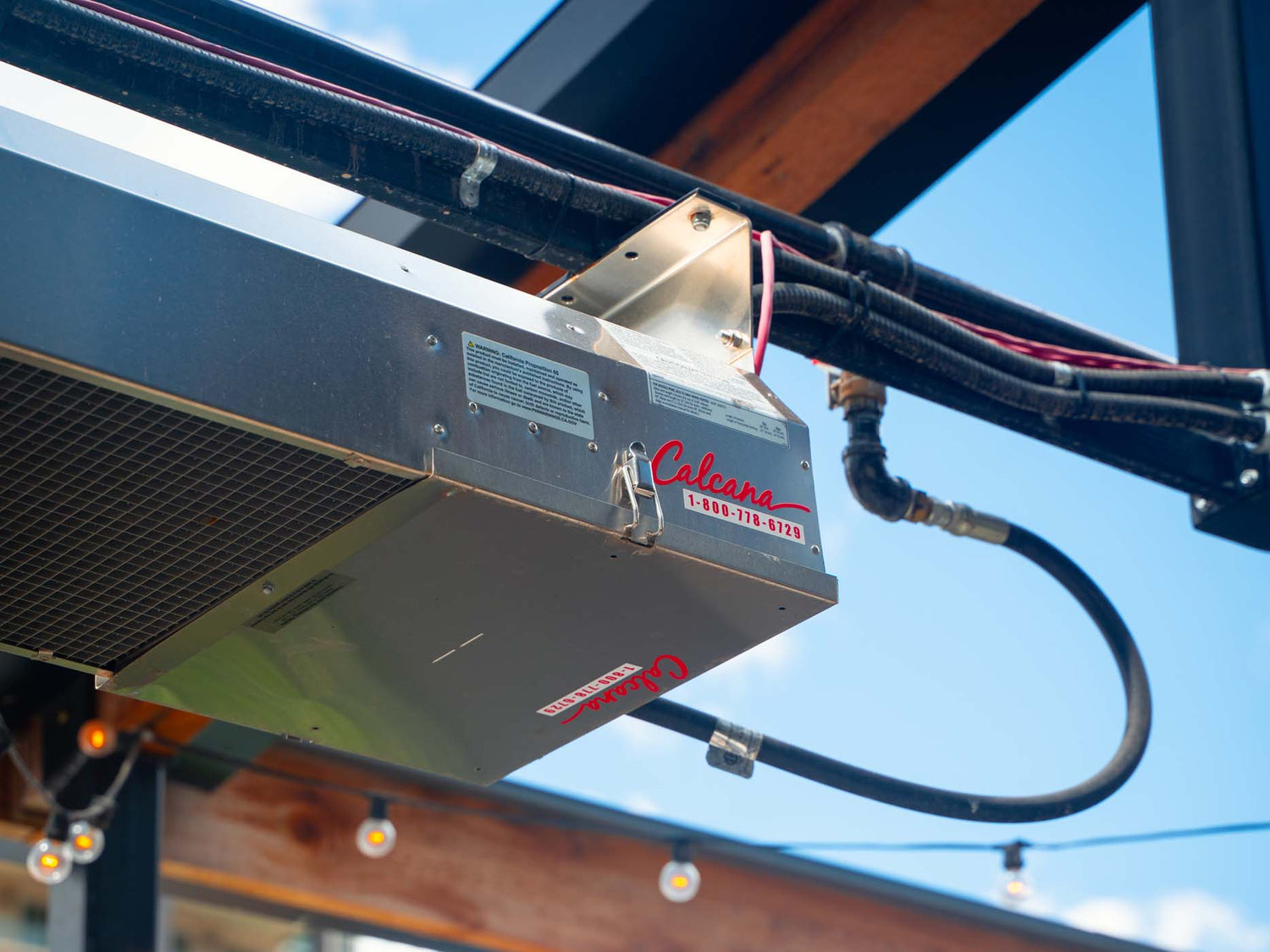
As infrared technology matured, gas-fired infrared heaters became increasingly popular in industrial settings.
These systems offer:
High Heat Output
Gas-fired infrared heaters can efficiently heat very large spaces.
Lower Operating Costs
Natural gas often provides a cost-effective fuel source compared to electricity.
Reliable Performance
Gas-fired systems operate effectively even in demanding industrial environments.
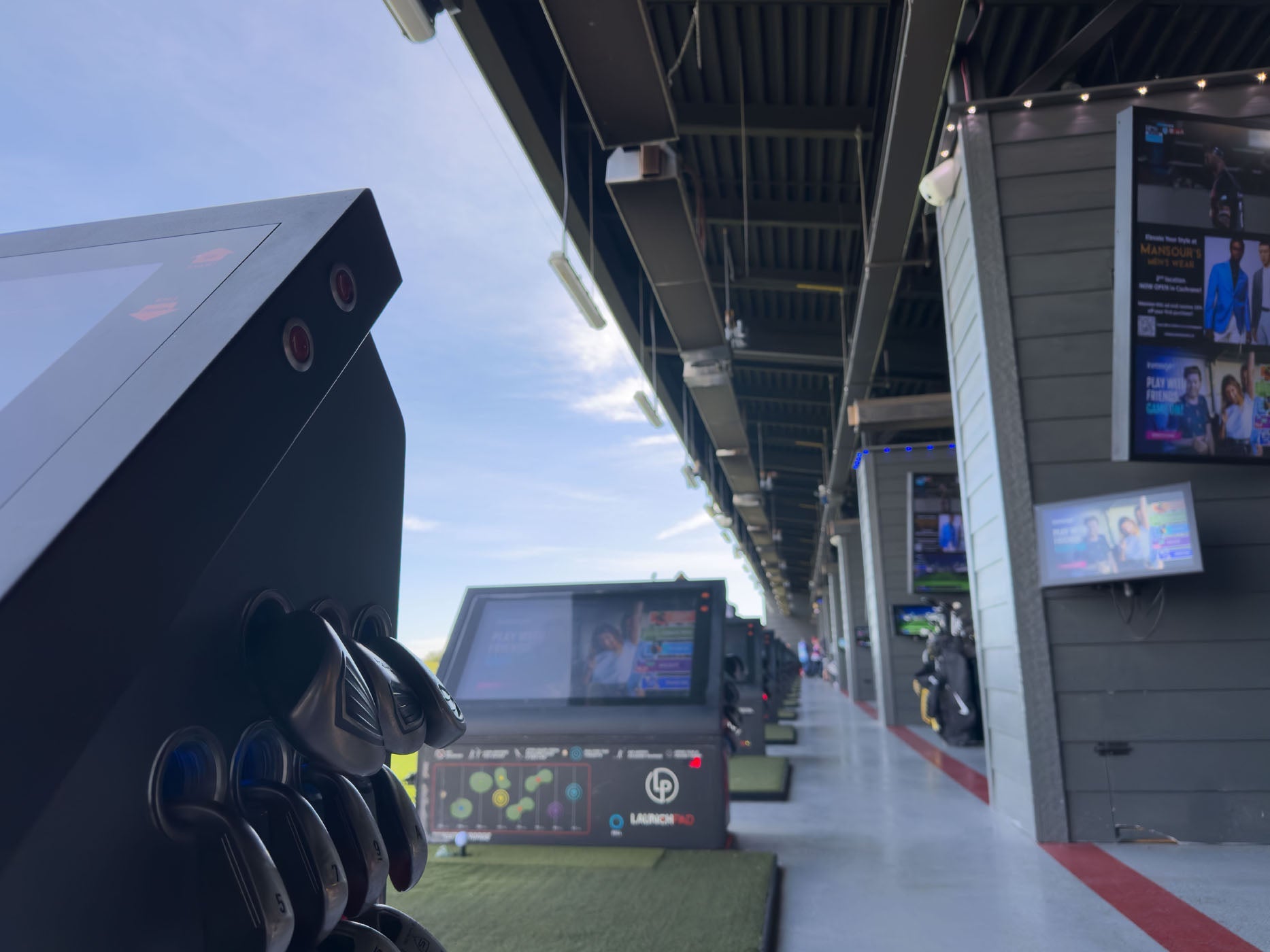
Today, gas-fired infrared heaters are commonly used in:
-
Warehouses
-
Manufacturing facilities
-
Aircraft hangars
-
Distribution centers
-
Agricultural buildings
Modern Controls & Smart Technology
The latest generation of industrial heating systems incorporates advanced controls and automation.
Modern facilities can now benefit from:
Programmable Scheduling
Heating systems automatically adjust based on operating hours.
Zoned Heating
Different areas receive heat according to occupancy and usage requirements.
Remote Monitoring
Facility managers can monitor performance from virtually anywhere.
Energy Tracking
Operators gain visibility into energy consumption and system efficiency.
These capabilities allow businesses to optimize comfort while minimizing operating expenses.
Sustainability & Environmental Responsibility
Today’s industrial facilities face increasing pressure to reduce environmental impact.
Heating systems play a major role in overall energy consumption.
Modern infrared solutions support sustainability goals by:
-
Reducing fuel consumption
-
Lowering greenhouse gas emissions
-
Minimizing wasted energy
-
Improving operational efficiency
Many organizations view heating upgrades as one of the fastest ways to improve environmental performance.
The Future of Industrial Heating
Industrial heating technology continues evolving.
Future developments will likely focus on:
Greater Automation
Artificial intelligence and machine learning may further optimize heating performance.
Enhanced Energy Integration
Heating systems may work more closely with renewable energy sources.
Predictive Maintenance
Advanced sensors will identify maintenance needs before failures occur.
Improved Efficiency
Manufacturers will continue developing systems that deliver more heat with less energy.
These innovations will help businesses reduce costs while maintaining productive work environments.
Why More Facilities Are Choosing Infrared Heating Today
The evolution of industrial heating has consistently moved toward greater efficiency, comfort, and control.
For many modern facilities, infrared heating represents the culmination of decades of innovation.
Compared to traditional systems, infrared heating offers:
-
Faster warmth
-
Lower operating costs
-
Reduced heat loss
-
Better comfort
-
Improved energy efficiency
-
Minimal maintenance
-
Greater reliability
These advantages make infrared an increasingly attractive solution for industrial facilities seeking long-term performance.
Conclusion
The history of industrial heating is a story of continuous improvement. From wood-burning stoves and steam boilers to forced-air systems and modern infrared technology, each generation of heating solutions has sought to address the limitations of the previous one.
Today, facility owners face new challenges related to energy costs, worker comfort, sustainability, and operational efficiency. Modern infrared heating systems have emerged as one of the most effective solutions for meeting these demands, particularly in large industrial environments where traditional heating methods often struggle.
As technology continues to advance, the future of industrial heating will likely focus on even greater efficiency, smarter controls, and improved environmental performance. For businesses looking to create comfortable workplaces while controlling costs, infrared heating represents the next chapter in the ongoing evolution of industrial heating solutions.
At Calcana USA, our gas-fired infrared heating systems are designed to help industrial facilities maximize efficiency, reduce operating expenses, and maintain comfortable working environments throughout the year. Whether you're heating a warehouse, manufacturing plant, maintenance facility, or distribution center, modern infrared technology delivers the performance that today's industrial operations demand.
Leave a comment
This site is protected by hCaptcha and the hCaptcha Privacy Policy and Terms of Service apply.