
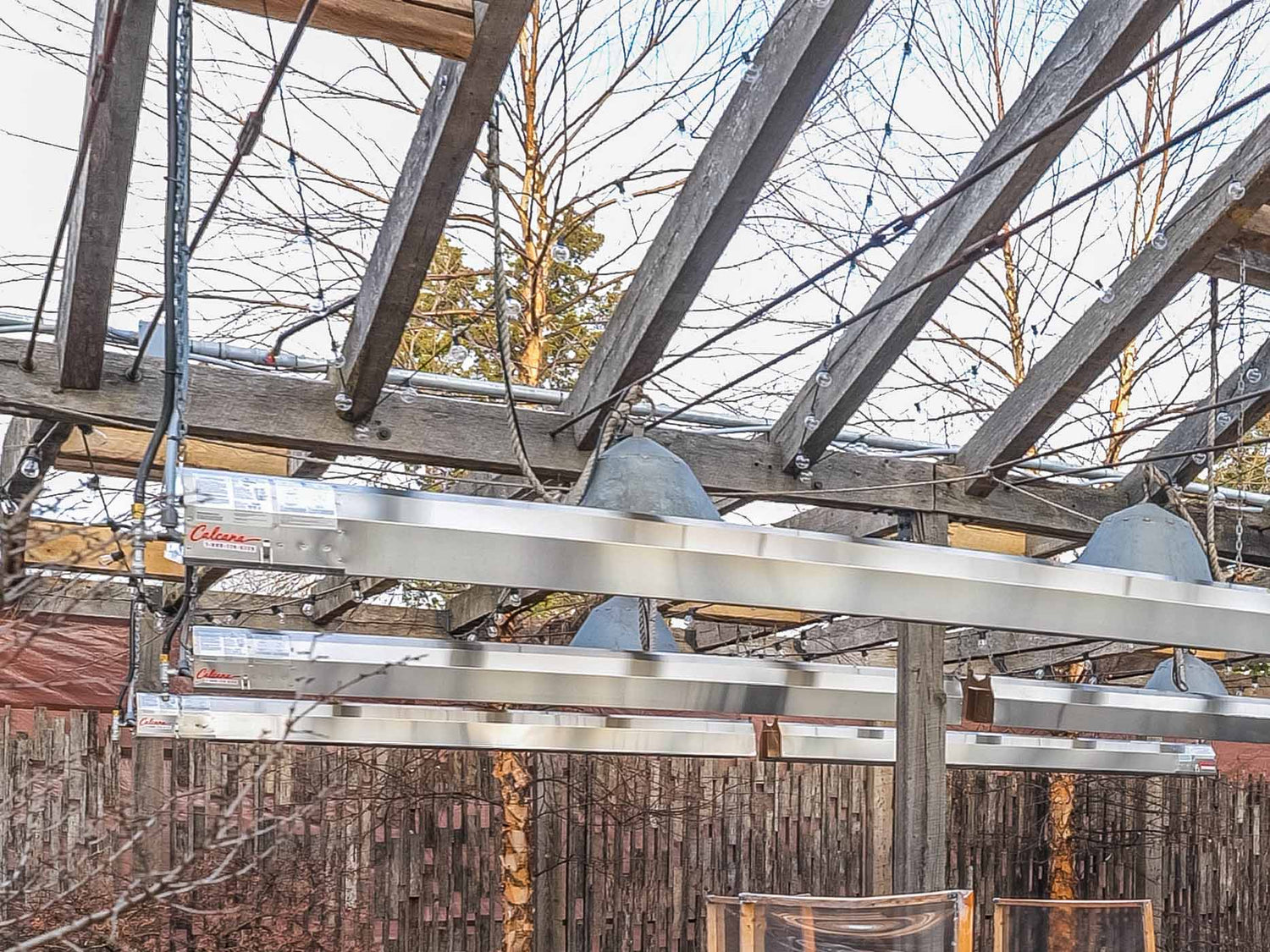
When investing in an infrared heater for your patio, restaurant, warehouse, garage, or commercial facility, performance is only one part of the equation. While heating capacity, fuel efficiency, and installation flexibility all matter, safety should always be a top priority.
Infrared heaters are designed to provide reliable warmth in residential, commercial, and industrial environments. However, not all heaters are manufactured to the same standards. Choosing equipment that meets recognized safety certifications helps ensure the system has been tested for proper operation, durability, electrical safety, combustion safety, and long-term performance.
Whether you're heating an outdoor restaurant patio, extending the use of a residential deck, warming a warehouse, or creating a more comfortable workspace, understanding what safety standards infrared heaters should comply with can help you make a smarter investment.
At Calcana, safety and quality have always been a priority. Our heaters are certified for both residential and commercial applications and are tested to meet strict North American standards. These certifications help provide peace of mind while ensuring dependable performance for years to come.
Why Safety Standards Matter for Infrared Heaters: Protecting People, Property, & Long-Term Heating Performance
Safety certifications are not simply labels placed on equipment. They represent extensive testing and evaluation performed by independent organizations that verify products meet specific safety and performance requirements.
Without these standards, consumers would have no reliable way to determine whether a heater was built and tested according to recognized industry guidelines.
Safety standards help verify that an infrared heater can:
- Operate safely under normal conditions
- Withstand prolonged use
- Maintain proper temperatures
- Protect users from electrical hazards
- Reduce fire risks
- Meet installation requirements
- Function properly in outdoor environments
- Perform consistently over time
For both homeowners and business owners, choosing certified equipment reduces uncertainty and increases confidence in the heating system.
When outdoor heaters are installed above guests, customers, employees, or family members, knowing the equipment has undergone extensive testing becomes especially important.
Understanding Infrared Heaters Product Certifications
Certification is a formal process through which independent organizations evaluate products against established standards.
Manufacturers submit products for testing where engineers examine everything from materials and construction methods to electrical components and heating performance.
Testing often includes:
- Electrical safety evaluations
- Temperature testing
- Structural testing
- Weather resistance testing
- Fuel system inspections
- Ventilation assessments
- Ignition system verification
- Long-term operational testing
Products that successfully pass testing receive certification approval and can display certification marks that demonstrate compliance.
These marks provide assurance that the product has met recognized safety requirements.
CSA Certification
One of the most important certifications for infrared heaters in North America is CSA Certification.
The Canadian Standards Association (CSA) develops and administers safety standards used throughout Canada and the United States.
CSA testing evaluates numerous aspects of heater performance, including:
Electrical Safety
For electric infrared heaters, CSA verifies that wiring, components, controls, and electrical systems operate safely under expected conditions.
Testing helps identify potential risks such as:
- Electrical shorts
- Overheating
- Insulation failure
- Grounding issues
- Component degradation
Mechanical Integrity
Infrared heaters are often mounted overhead in demanding environments.
CSA evaluates structural integrity to ensure components remain secure during operation and throughout years of use.
Temperature Control
Surface temperatures must remain within acceptable limits to prevent excessive heat buildup and potential hazards.
Certification verifies that heaters operate within approved temperature ranges.
Installation Requirements
CSA standards help establish installation guidelines that contractors and building owners can follow to maintain safe operation.
This includes recommendations for:
- Mounting heights
- Clearance requirements
- Ventilation considerations
- Fuel connections
- Electrical installations
CE Certification
For customers operating internationally, CE certification is another important standard.
The CE mark indicates compliance with European Union health, safety, and environmental requirements.
To achieve CE certification, products must satisfy a wide range of regulations relating to:
- Electrical safety
- Mechanical safety
- Environmental performance
- Product reliability
- Manufacturing quality
CE-certified products can be sold throughout European markets because they meet recognized standards across multiple countries.
Calcana heaters also carry CE certification, demonstrating compliance with European requirements and supporting customers worldwide.
Why Third-Party Testing Is Important
Some manufacturers conduct internal testing. While internal quality control is valuable, third-party testing provides an additional level of credibility.
Independent testing organizations have no financial incentive to approve unsafe products.
Their role is to objectively evaluate products according to established standards.
This independent verification provides greater confidence for:
- Homeowners
- Contractors
- Property managers
- Restaurant owners
- Architects
- Engineers
- Commercial developers
When selecting a heater, third-party certification should always be a consideration.
Electrical Safety Standards
For electric infrared heaters, electrical safety represents one of the most important areas of evaluation.
Electrical systems must safely handle power loads without creating hazards.
Testing typically focuses on:
Wiring Protection
Electrical wiring must resist heat, moisture, vibration, and long-term wear.
High-quality insulation helps prevent electrical failures.
Grounding Systems
Proper grounding protects users from shock hazards and helps safely redirect fault currents.
Overload Protection
Certified systems include safeguards that prevent excessive electrical loads from damaging components.
Moisture Resistance
Outdoor heaters must withstand rain, humidity, and changing environmental conditions.
Certification testing evaluates how electrical systems perform when exposed to outdoor environments.
Gas Safety Standards
For propane and natural gas infrared heaters, fuel safety is equally important.
Gas-fired systems undergo extensive testing to verify:
Burner Performance
Burners must produce stable combustion while minimizing emissions and maximizing efficiency.
Fuel Delivery Systems
Gas valves, regulators, and fuel lines must maintain proper pressure and flow rates.
Ignition Reliability
Reliable ignition systems reduce the risk of fuel accumulation and delayed ignition events.
Flame Stability
Outdoor conditions can affect combustion performance.
Testing ensures burners continue operating safely under varying environmental conditions.
Fire Safety Considerations
Infrared heaters generate significant heat output.
Certification testing evaluates whether the system can operate safely around surrounding materials.
Fire safety assessments examine:
- Surface temperatures
- Heat distribution
- Clearance requirements
- Mounting systems
- Protective shielding
These evaluations help establish installation guidelines that reduce fire risks.
Outdoor Weather Resistance Standards
Outdoor heating systems face constant exposure to environmental conditions.
Rain, snow, wind, dust, humidity, and temperature fluctuations all affect performance.
Safety certifications often evaluate:
Corrosion Resistance
Outdoor components must resist rust and deterioration.
Weather Exposure
Equipment must continue operating safely after prolonged exposure to environmental conditions.
Structural Durability
Mounting systems and housings must withstand outdoor stresses.
Electrical Protection
Outdoor-rated electrical components help prevent moisture-related failures.
Why Installation Standards Matter
Even the safest heater can become hazardous if installed incorrectly.
Certification programs often work alongside installation standards that specify:
- Proper mounting locations
- Required clearances
- Ventilation requirements
- Electrical connections
- Fuel supply requirements
Following manufacturer guidelines is critical for maintaining compliance and ensuring safe operation.
Residential Safety Requirements
Homeowners often install infrared heaters on:
- Patios
- Decks
- Gazebos
- Pergolas
- Outdoor kitchens
- Garages
Residential installations must balance performance with safety.
Certified products provide assurance that the heater has been evaluated for home use and can safely operate around families, guests, and property.
Commercial Safety Requirements
Commercial environments often present additional challenges.
Restaurants, hotels, breweries, resorts, and event venues may operate heaters for extended periods while accommodating large numbers of guests.
Commercial certifications help verify that equipment can withstand heavier usage demands while maintaining safe operation.
Industrial Safety Requirements
Warehouses, manufacturing facilities, distribution centers, and workshops require durable heating solutions.
Industrial environments often expose equipment to:
- Dust
- Vibration
- Temperature extremes
- Heavy equipment traffic
Certified infrared heaters help ensure dependable performance in these demanding applications.
The Importance of Proper Maintenance
Certification represents the starting point for safety, not the finish line.
Regular maintenance helps preserve safe operation throughout the life of the heater.
Recommended maintenance often includes:
- Cleaning reflectors
- Inspecting burners
- Checking electrical connections
- Verifying mounting hardware
- Examining fuel systems
- Testing controls
Routine inspections help identify potential issues before they become larger problems.
Questions To Ask Before Buying an Infrared Heater
When comparing infrared heaters, ask:
Does the heater carry recognized certifications?
Has it been tested for residential or commercial use?
Is it approved for outdoor installation?
Are installation guidelines clearly provided?
Does the manufacturer have a history of quality and reliability?
Can replacement parts and support be easily obtained?
The answers to these questions often reveal significant differences between products.
Why Certified Heaters Deliver Better Long-Term Value
Some buyers focus solely on upfront pricing.
However, uncertified equipment can create long-term risks that outweigh any initial savings.
Certified heaters often provide:
- Better reliability
- Improved durability
- Lower maintenance costs
- Safer operation
- Easier permitting
- Greater insurance acceptance
- Higher resale value
Over the life of the system, these benefits can significantly outweigh the initial purchase price.
Choose Certified Heating Solutions From Calcana
When evaluating infrared heaters, safety certifications should never be overlooked. Certifications demonstrate that a heater has been independently tested and verified to meet recognized standards for safety, reliability, and performance.
At Calcana, our certified infrared heaters are designed for demanding residential, commercial, and industrial environments. Our products are backed by CSA Certification for commercial and residential applications throughout Canada and the United States, as well as CE Certification for compliance with European standards.
These certifications reflect our commitment to producing high-quality infrared heating systems that deliver dependable warmth while meeting strict safety requirements.
Whether you're heating a backyard patio, restaurant, warehouse, garage, or commercial outdoor space, choosing a certified infrared heater helps protect your investment while providing confidence in your heating system for years to come.

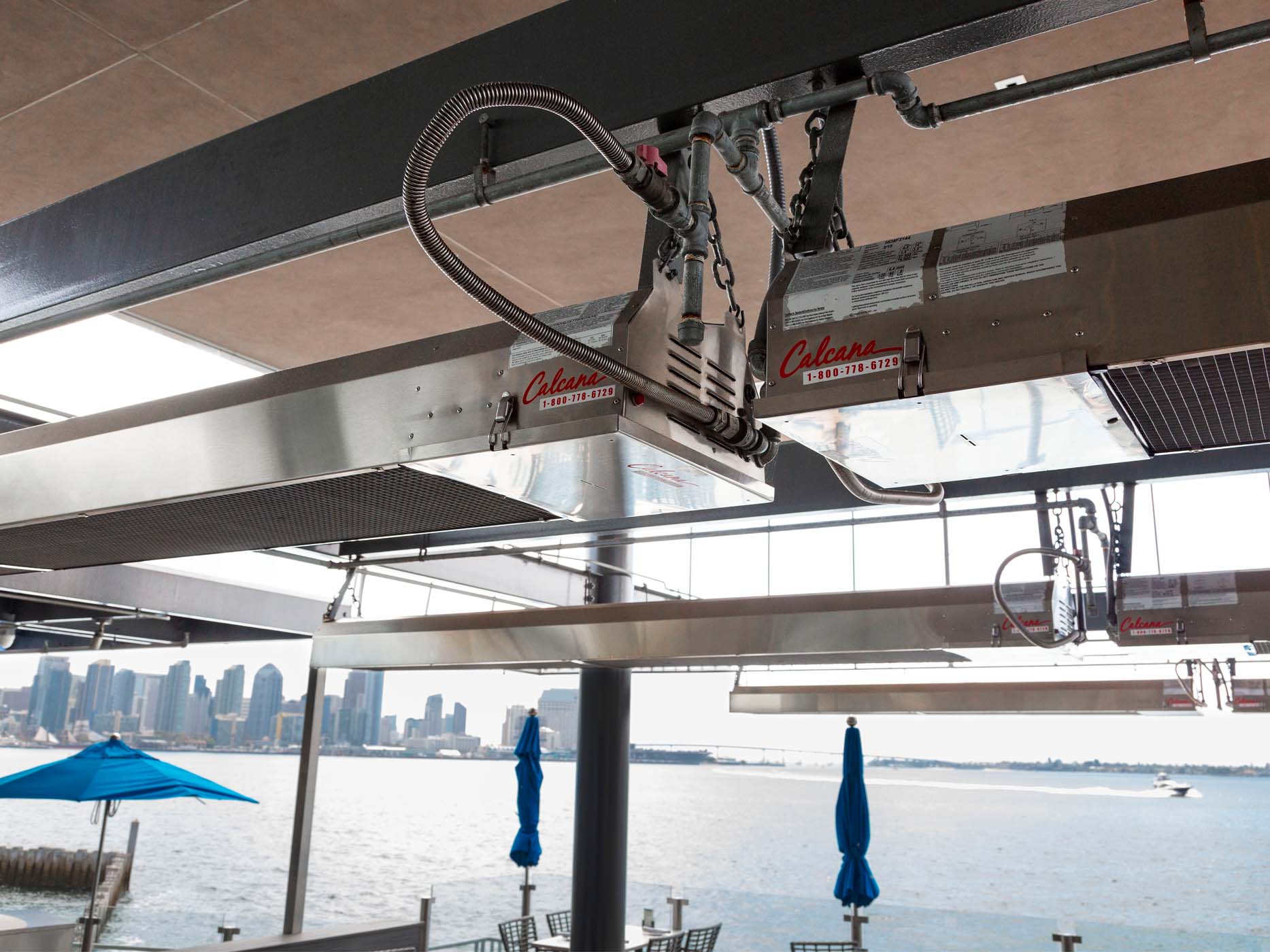
Leave a comment
This site is protected by hCaptcha and the hCaptcha Privacy Policy and Terms of Service apply.