

Infrared heating has become one of the fastest-growing heating solutions for homeowners, restaurants, commercial buildings, warehouses, sports facilities, and industrial operations. As more people look for energy-efficient alternatives to traditional forced-air heating systems, infrared heaters continue to stand out for their ability to provide comfortable, targeted warmth while reducing wasted energy.
Despite their growing popularity, many people still have questions about how infrared heaters work, where they perform best, whether they're safe, and how they compare to conventional heating methods. Because infrared technology operates differently than furnaces or forced-air systems, it's understandable that first-time buyers want to learn more before making an investment.
Whether you're considering an infrared heater for your backyard patio, restaurant, warehouse, garage, manufacturing facility, or commercial outdoor space, understanding the technology behind radiant heat can help you choose the right solution with confidence.
In this guide, we'll answer many of the most common questions surrounding infrared heating, from efficiency and operating costs to installation, maintenance, safety, and long-term performance.
What Is Infrared Heating? Understanding How Radiant Heat Provides Efficient, Reliable Comfort Year-Round
One of the first questions many people ask is simply, "What exactly is infrared heating?"
Unlike traditional heating systems that warm the surrounding air, infrared heaters generate radiant energy that travels through the air until it reaches solid objects. Those objects, including people, floors, furniture, equipment, vehicles, and walls, absorb the energy and convert it into comfortable heat.
This process closely resembles the warmth you feel from the sun.
Even on a cool day, standing in direct sunlight feels warm because the sun's infrared energy is heating your body directly rather than warming the surrounding air. Infrared heaters operate using this same principle, except in a carefully controlled manner designed for indoor and outdoor environments.
Because the heat travels directly to objects instead of heating large volumes of air first, infrared systems provide warmth much faster and more efficiently than many conventional heating systems.
How Does Infrared Heating Work?
Infrared heaters produce electromagnetic waves within the infrared spectrum. While that may sound technical, the concept is actually very straightforward.
Once the heater is activated, specially designed heating elements begin generating radiant energy.
Reflectors inside the heater then direct this energy toward the intended heating area.
Rather than stopping to heat the air, the infrared waves continue traveling until they strike solid surfaces.
Those surfaces absorb the energy and begin warming almost immediately.
As these warmed objects gradually release their heat back into the surrounding environment, the entire space becomes more comfortable without requiring excessive air circulation.
This direct heating process explains why infrared heaters continue working effectively even in spaces where doors open frequently or where wind would normally carry heated air away.
Why Doesn't Infrared Heat Warm the Air First?
Traditional HVAC systems rely on convection.
They heat air, circulate it throughout the building, and wait for that warm air to gradually increase the room temperature.
Unfortunately, heated air naturally rises.
In buildings with high ceilings, warehouses, garages, restaurants, aircraft hangars, and sports facilities, much of that expensive heated air accumulates overhead instead of remaining where people actually need it.
Infrared heating bypasses this problem.
Because radiant energy heats people and objects directly, there is very little dependence on maintaining a specific air temperature.
Even when cool air enters through open doors, workers and guests often continue feeling comfortable because surrounding surfaces remain warm.
This makes infrared heating particularly valuable in commercial environments with constant traffic.
Is Infrared Heating Safe?
Safety is understandably one of the most common concerns people have before purchasing any heating system.
Fortunately, properly installed infrared heaters are among the safest heating solutions available.
Modern infrared heaters incorporate numerous safety features including:
-
Automatic shut-off systems
-
Flame monitoring (gas models)
-
Overheat protection
-
Secure mounting hardware
-
Weather-resistant construction
-
Heavy-duty commercial components
Unlike portable space heaters that sit on floors where they can be tipped over, mounted infrared heaters remain securely attached to ceilings or walls, reducing many common household hazards.
For commercial businesses, permanently mounted systems also eliminate trip hazards associated with extension cords or portable heating equipment.
When installed according to manufacturer specifications and local building codes, infrared heaters provide dependable warmth with excellent safety.
Can Infrared Heaters Be Used Indoors?
Absolutely.
Many people mistakenly assume infrared heaters are designed only for patios.
In reality, infrared heating has been used indoors for decades.
Common indoor applications include:
-
Warehouses
-
Manufacturing plants
-
Distribution centers
-
Workshops
-
Garages
-
Automotive facilities
-
Aircraft hangars
-
Churches
-
Event venues
-
Sports complexes
-
Golf practice facilities
-
Indoor tennis courts
-
Pickleball facilities
-
Commercial buildings
Mounted overhead systems are especially popular because they preserve valuable floor space while delivering even heat coverage across large work areas.
Do Infrared Heaters Work Outdoors?
Yes, and this is one of their biggest advantages.
Traditional forced-air heaters perform poorly outdoors because moving air quickly carries heat away.
Infrared heating behaves differently.
Since radiant energy warms people instead of air, outdoor breezes have much less impact on comfort.
This makes infrared heating one of the most effective options for:
-
Restaurant patios
-
Hotel patios
-
Rooftop lounges
-
Outdoor bars
-
Golf courses
-
Stadium seating
-
Residential patios
-
Outdoor kitchens
-
Covered decks
-
Entertainment areas
Even after the sun goes down and temperatures begin to fall, guests continue enjoying comfortable outdoor spaces thanks to radiant warmth.
Are Infrared Heaters Energy Efficient?
Energy efficiency is one of the primary reasons businesses switch to infrared heating.
Traditional heating systems often waste significant energy by attempting to warm unused air.
Large commercial buildings especially experience heat loss because warm air rises toward ceilings while employees remain near floor level.
Infrared systems eliminate much of this waste.
Instead of heating entire buildings unnecessarily, radiant heaters deliver warmth exactly where people work or gather.
This targeted approach often leads to noticeable reductions in energy consumption.
Additional efficiency benefits include:
-
Faster warm-up times
-
Reduced standby heating
-
Less heat loss through open doors
-
Zone heating capabilities
-
Minimal duct losses
-
Lower maintenance requirements
The result is a heating system that works smarter rather than simply working harder.
Do Infrared Heaters Save Money?
For many businesses, yes.
Although every facility differs, infrared heating frequently lowers operating costs through several mechanisms.
First, energy usage decreases because the heaters target occupied areas instead of unused air.
Second, businesses spend less money maintaining complicated HVAC systems containing blowers, filters, ductwork, and numerous moving components.
Third, employees often become more comfortable, improving productivity throughout colder months.
Warehouses, manufacturing facilities, restaurants, and sports venues often experience measurable operational savings after transitioning to infrared heating.
Can Infrared Heaters Heat Large Spaces?
Absolutely.
One misconception is that infrared heaters only work in small areas.
In reality, many commercial infrared heating systems are specifically engineered for very large buildings.
Applications include:
-
Industrial warehouses
-
Manufacturing plants
-
Distribution centers
-
Logistics hubs
-
Agricultural buildings
-
Riding arenas
-
Aircraft hangars
-
Commercial garages
-
Sports facilities
Multiple heaters can be installed strategically to create overlapping heat patterns that provide even coverage across expansive spaces.
Rather than relying on one oversized heating unit, businesses often benefit from multiple infrared heaters working together.
Are Infrared Heaters Better Than Forced-Air Systems?
The answer depends on the application.
For many commercial environments, the advantages are substantial.
Infrared heating excels when:
-
Ceilings are high.
-
Doors open frequently.
-
Drafts are unavoidable.
-
Outdoor heating is required.
-
Large open spaces need heating.
-
Employee comfort is important.
-
Energy efficiency is a priority.
Forced-air systems remain useful for certain enclosed office environments where maintaining uniform air temperature is important.
However, warehouses, garages, sports facilities, restaurants, and outdoor entertainment spaces often experience superior comfort and efficiency with infrared heating.
Do Infrared Heaters Require a Lot of Maintenance?
One of the biggest advantages of infrared heating is its relatively low maintenance requirements.
Unlike conventional HVAC systems that rely on numerous mechanical components, ductwork, filters, blowers, and fans, infrared heaters are designed with simplicity in mind. With fewer moving parts, there are fewer components that can wear out over time or require regular replacement.
Routine maintenance typically includes inspecting mounting hardware, cleaning the reflectors and heating surfaces, checking gas or electrical connections, and ensuring the unit remains free from excessive dust or debris. Outdoor installations may also benefit from occasional cleaning to remove dirt, pollen, or environmental buildup that could affect performance.
Scheduling regular inspections helps maximize efficiency, extend the lifespan of the heater, and ensure safe operation year after year. For many commercial businesses, the reduced maintenance requirements translate into lower operating costs and less downtime compared to traditional heating systems.
Can Infrared Heaters Work in Cold Weather?
One of the biggest misconceptions surrounding infrared heating is that it somehow becomes less effective as outdoor temperatures decrease. In reality, infrared heaters often shine brightest during the coldest months of the year.
Unlike conventional heating systems that first attempt to warm the surrounding air, infrared heaters transfer radiant energy directly to people, furniture, equipment, flooring, and other solid objects. Since the heat isn't dependent on raising the air temperature, cold ambient conditions have far less impact on overall comfort.
This is why you can often walk onto a restaurant patio on a crisp fall evening and quickly feel comfortable beneath an overhead infrared heater, even though the surrounding air is still cool.
The radiant warmth reaches your body quickly.
For commercial properties, this becomes a tremendous advantage during winter. Restaurants can continue operating patios, hotels can extend outdoor amenities, sports facilities remain usable, and industrial workers can stay comfortable despite freezing outdoor temperatures.
Even regions that experience harsh winters, including much of Canada and the northern United States, regularly rely on infrared heating because of its ability to perform consistently throughout the coldest months of the year.
Do Infrared Heaters Work in Wind?
Wind presents one of the biggest challenges for traditional outdoor heating.
When a forced-air heater blows warm air into an outdoor seating area, that heated air can quickly disappear with the next breeze.
Infrared heaters operate differently.
Since radiant heat travels directly from the heater to nearby objects, wind has significantly less effect on performance.
Of course, extremely strong winds can reduce overall comfort, but they do not carry away radiant energy the same way they remove heated air.
This makes infrared heaters ideal for:
-
Restaurant patios
-
Rooftop bars
-
Golf club patios
-
Hotel terraces
-
Outdoor event venues
-
Covered stadium seating
-
Residential outdoor living spaces
Many businesses find they can comfortably extend patio season by several months simply because infrared heat remains effective in breezy conditions.
Can Infrared Heaters Be Used in Rain or Snow?
This depends entirely on the heater's rating and intended application.
Commercial outdoor infrared heaters are specifically designed to withstand challenging environmental conditions.
High-quality outdoor models feature weather-resistant housings that protect internal components from:
-
Rain
-
Snow
-
Humidity
-
Moisture
-
Temperature fluctuations
-
Dust
-
Debris
Many installations remain outdoors throughout the entire year with little interruption.
Restaurants across North America operate overhead infrared heaters through rain, snow, spring showers, and changing seasonal weather.
However, it's important to remember that every heater has installation specifications.
Following manufacturer recommendations regarding mounting location, clearance, and weather exposure ensures reliable performance for many years.
Will Infrared Heaters Dry Out the Air?
No.
This is another common misunderstanding.
Forced-air heating systems frequently lower indoor humidity because they continuously circulate heated air throughout a building.
Many people associate dry skin, irritated throats, static electricity, and dry eyes with winter heating because of these conventional systems.
Infrared heaters operate differently.
Since they warm objects rather than continuously heating and circulating air, they do not actively remove moisture from the environment.
Indoor humidity remains much closer to its natural level.
This often creates a noticeably more comfortable environment for employees, customers, and homeowners alike.
Many users find the warmth feels softer and more natural compared to conventional forced-air heating.
Do Infrared Heaters Cause Condensation?
Actually, they often help reduce condensation issues.
Condensation forms when warm, moist air contacts colder surfaces.
Because infrared heaters warm walls, floors, equipment, and other surfaces directly, these surfaces are less likely to remain below the dew point.
This reduces moisture buildup in many environments.
Industrial facilities often appreciate this benefit because excess condensation can contribute to:
-
Rust
-
Corrosion
-
Mold growth
-
Slippery floors
-
Equipment deterioration
By maintaining warmer surface temperatures, infrared heating can contribute to healthier working conditions.
Can Infrared Heaters Be Installed in Warehouses?
Absolutely.
Warehouses represent one of the most common commercial applications for infrared heating.
Large industrial buildings present several heating challenges:
-
High ceilings
-
Frequent door openings
-
Massive open floor plans
-
Concrete floors
-
Loading docks
-
Minimal interior partitions
Traditional forced-air systems often struggle because warm air rises toward the ceiling while employees remain working near floor level.
Infrared heaters solve this problem by directing heat exactly where work occurs.
Rather than attempting to heat millions of cubic feet of air, radiant heaters warm employees, forklifts, inventory, equipment, and workstations directly.
The result is greater comfort with significantly less wasted energy.
Are Infrared Heaters Good for Garages?
Garages are another excellent application.
Whether residential or commercial, garages frequently experience:
-
Poor insulation
-
Frequent door openings
-
Concrete flooring
-
High ceilings
-
Large temperature swings
Forced-air systems often lose much of their heated air every time the garage door opens.
Infrared heaters continue warming surrounding objects regardless of temporary air exchanges.
Homeowners especially appreciate how quickly garages become comfortable when working on projects, exercising, or storing valuable vehicles.
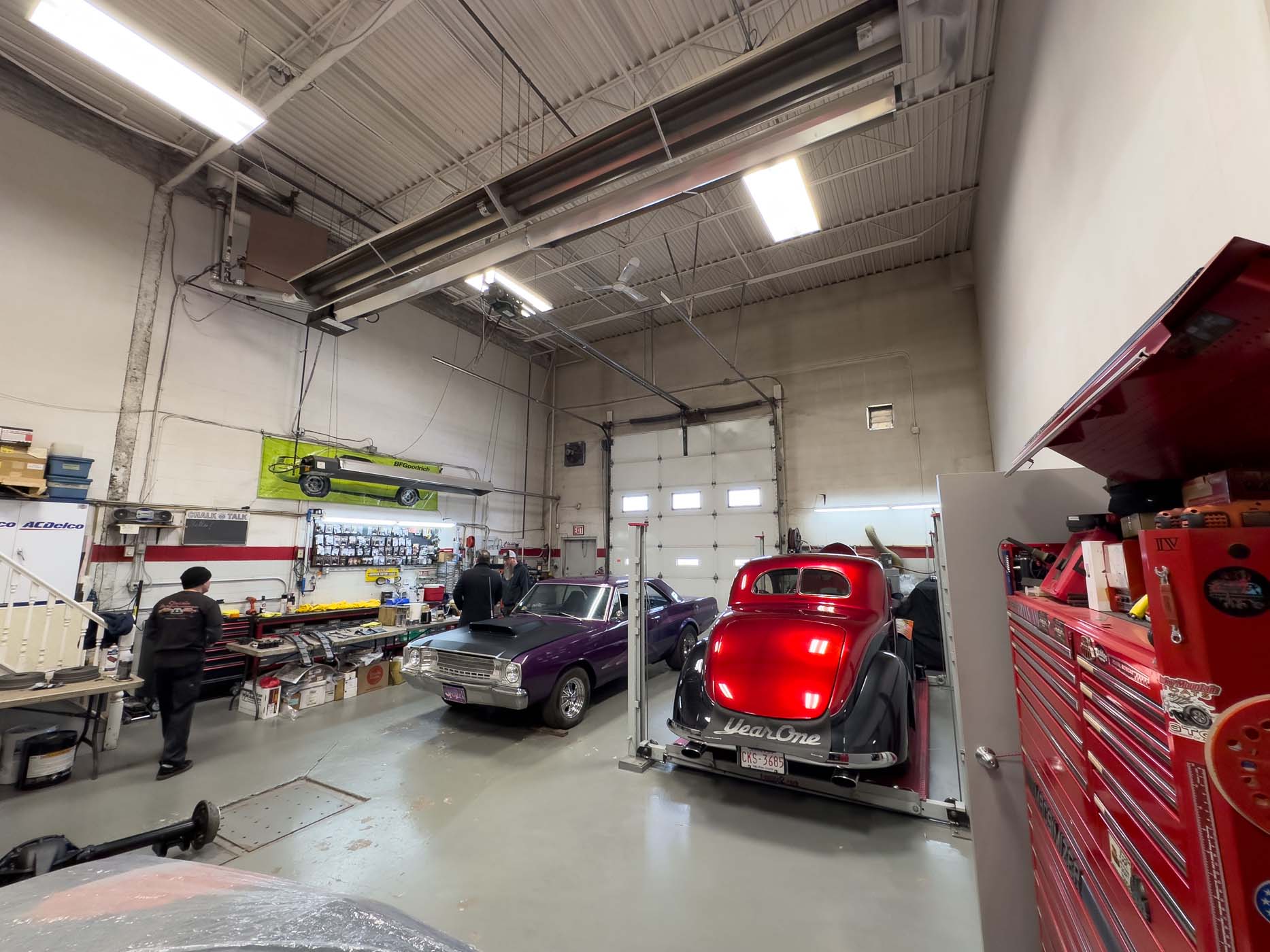
Commercial repair facilities also benefit because technicians remain warm while bays constantly open throughout the day.
Can Infrared Heaters Heat Sports Facilities?
Yes, and this has become one of the fastest-growing applications.
Sports facilities present unique heating challenges.
Many sports actually suffer when forced-air systems create excessive airflow.
Examples include:
Indoor Pickleball
Moving air affects ball flight.
Even small air currents can alter competitive play, frustrating players and affecting tournament conditions.
Infrared heating avoids this problem because it produces radiant warmth without large volumes of moving air.
Indoor Tennis
Competitive tennis players also benefit from reduced air movement.
Serving accuracy and ball consistency improve when heating systems aren't constantly circulating air around the court.
Golf Driving Ranges
Covered driving ranges frequently use overhead infrared heaters to keep golfers comfortable throughout colder seasons.
Golfers enjoy warm hands and improved comfort without interfering with ball flight.
Hockey Arenas
Large arenas benefit from infrared heating in:
-
Spectator seating
-
Team benches
-
Hospitality suites
-
Concourse areas
-
Viewing platforms
Since infrared heat targets people rather than warming massive air volumes, operating costs remain significantly lower.
Stadiums
Professional stadiums throughout North America increasingly install infrared heating beneath covered seating sections to improve fan comfort during colder games.
This helps extend event seasons while improving the overall spectator experience.
How Long Do Infrared Heaters Last?
Quality commercial infrared heaters are built for longevity.
Actual lifespan depends upon:
-
Installation quality
-
Usage frequency
-
Environmental conditions
-
Maintenance practices
-
Fuel source
With routine maintenance and proper installation, commercial systems often provide dependable service for many years.
Many businesses appreciate that infrared heaters contain relatively few moving parts.
Fewer moving components generally mean fewer mechanical failures over time.
Regular inspections, occasional cleaning, and scheduled servicing can significantly extend equipment life.
Are Infrared Heaters Expensive to Operate?
Operating costs depend on several variables:
-
Heater size
-
Fuel source
-
Hours of operation
-
Outdoor temperature
-
Building insulation
-
Installation layout
However, many businesses find infrared heating surprisingly economical because they avoid wasting energy heating unused air.
For example, a warehouse may only need heating over:
-
Packing stations
-
Shipping docks
-
Employee work areas
Instead of heating the entire building uniformly, infrared systems can create heating zones that match actual operations.
Restaurants similarly heat only occupied patio seating rather than surrounding outdoor air.
This targeted approach often produces meaningful reductions in energy usage.
Can Infrared Heaters Be Zoned?
Yes.
Zone heating represents one of infrared technology's greatest strengths.
Rather than operating a single heating system across an entire facility, businesses can divide their building into multiple heating zones.
Examples include:
-
Loading docks
-
Manufacturing lines
-
Warehouse aisles
-
Office entrances
-
Outdoor patios
-
Restaurant dining sections
-
Hotel lounge areas
Each zone can operate independently depending upon occupancy and demand.
This flexibility reduces unnecessary energy consumption while improving comfort exactly where it's needed.
Are Infrared Heaters Environmentally Friendly?
Many businesses pursuing sustainability initiatives choose infrared heating because of its efficient operation.
Although every installation differs, infrared systems often contribute to environmental goals by:
-
Lowering energy consumption
-
Reducing wasted heat
-
Minimizing unnecessary runtime
-
Supporting zone heating
-
Requiring less maintenance
-
Extending equipment lifespan
When less energy is required to maintain comfortable working conditions, overall environmental impact may also decrease.
For organizations focused on operational efficiency and responsible energy management, infrared heating can align well with broader sustainability objectives.
Can Infrared Heaters Improve Employee Comfort?
Employee comfort has a direct impact on productivity, morale, and workplace satisfaction.
Cold working environments can lead to:
-
Reduced dexterity
-
Slower productivity
-
Increased fatigue
-
Lower morale
-
Difficulty concentrating
Infrared heaters address these challenges by providing consistent warmth where employees spend the majority of their time.
Whether workers are assembling products, operating machinery, shipping inventory, or assisting customers outdoors, comfortable temperatures help create a safer and more productive work environment.
Businesses often view infrared heating not simply as a utility expense but as an investment in both operational performance and employee well-being.
How Do You Choose the Right Infrared Heater?
Selecting the right infrared heater is about much more than choosing the biggest or most powerful model available. Every space has unique heating requirements, and the ideal solution depends on factors such as the size of the area, ceiling height, building layout, occupancy levels, environmental conditions, and how the space is used throughout the year.
Before investing in a heating system, it's important to evaluate your goals. Are you trying to extend the outdoor dining season for your restaurant? Keep employees comfortable in a warehouse? Create a more enjoyable experience at a sports facility? Or simply make your residential patio usable during cool evenings?
Understanding your objectives helps determine the right heater configuration.
Consider the Size of Your Space
One of the first considerations is the square footage of the area you intend to heat.
Small patios or outdoor seating areas may only require a single overhead heater, while expansive restaurant patios, industrial facilities, warehouses, or sports complexes often require multiple units working together.
Rather than relying on one oversized heater, professionally designed systems use overlapping heat patterns that provide even coverage across the entire area. This eliminates cold spots while avoiding excessive heat concentration in any one location.
Professional heat mapping ensures every heater contributes to maximum comfort and efficiency.
Ceiling Height Matters
Mounting height has a significant influence on infrared heater performance.
If a heater is installed too high, the radiant energy spreads over a larger area and may become less concentrated. If mounted too low, guests or employees may experience uneven heating.
Different Calcana heater models are engineered to perform within specific mounting height ranges. Matching the heater to the ceiling height ensures optimal heat distribution and comfort.
This is especially important for:
-
Warehouses
-
Manufacturing plants
-
Sports facilities
-
Restaurant patios
-
Hotels
-
Event venues
-
Commercial garages
Proper mounting is just as important as choosing the correct heater.
Indoor or Outdoor Installation?
Not every heater is intended for every environment.
Outdoor installations must account for exposure to:
-
Rain
-
Snow
-
Wind
-
Humidity
-
Salt air
-
Dust
-
Temperature fluctuations
Commercial outdoor infrared heaters are specifically designed to withstand these conditions while continuing to perform reliably throughout the year.
Indoor installations often prioritize different factors such as ceiling clearance, ventilation, occupancy patterns, and zoning requirements.
Working with experienced professionals ensures the right heater is matched to the right environment.
Should You Choose Gas or Electric Infrared Heating?
This is another question frequently asked by property owners.
Both fuel sources offer advantages depending on the application.
Gas Infrared Heaters
Gas-powered infrared heaters remain the preferred choice for many commercial and industrial applications because they offer:
-
High heat output
-
Excellent performance in large spaces
-
Cost-effective operation
-
Continuous heating
-
Ideal performance outdoors
Restaurants, warehouses, sports facilities, and hospitality venues often choose natural gas or propane systems for their ability to heat expansive areas efficiently.
Electric Infrared Heaters
Electric models are often selected for:
-
Smaller installations
-
Residential applications
-
Areas with limited gas access
-
Supplemental heating
-
Indoor spaces
Each installation should be evaluated individually to determine the best solution.
Can Infrared Heaters Replace Traditional HVAC Systems?
The answer depends on the building and its intended use.
For many commercial environments, infrared heaters become the primary heating solution because they offer superior comfort and efficiency.
Examples include:
-
Warehouses
-
Manufacturing facilities
-
Outdoor patios
-
Golf driving ranges
-
Sports complexes
-
Restaurants
-
Agricultural buildings
In office environments or buildings requiring year-round air conditioning, infrared heating may complement an existing HVAC system rather than replace it entirely.
Many businesses successfully combine both technologies, using HVAC for cooling and ventilation while relying on infrared heating during colder months.
Common Myths About Infrared Heating
Despite decades of successful commercial use, several misconceptions still surround infrared technology.
Let's clear up some of the most common myths.
Myth: Infrared Heaters Only Work Outdoors
False.
Infrared heating is widely used indoors across countless commercial and industrial environments.
Warehouses, manufacturing plants, churches, aircraft hangars, sports facilities, garages, and commercial buildings all benefit from radiant heating.
Myth: Infrared Heating Is Unsafe
False.
Modern infrared heaters incorporate numerous safety features and are designed to meet strict industry standards.
When installed according to manufacturer recommendations, infrared heaters provide safe, dependable operation for years.
Myth: Infrared Heaters Waste Energy
Quite the opposite.
Because radiant systems heat people and objects directly, they often use significantly less energy than systems attempting to warm large volumes of air.
Myth: Infrared Heat Feels Harsh
Many first-time users are surprised by how natural infrared warmth feels.
Rather than producing hot blasts of air, radiant heat provides gentle, even comfort that closely resembles natural sunlight.
The result is warmth that feels comfortable instead of overwhelming.
Myth: Infrared Heaters Require Constant Maintenance
Compared to many traditional heating systems, infrared heaters require relatively little routine maintenance.
With fewer moving parts and no ductwork to clean or maintain, ongoing upkeep is often straightforward.
Installation Matters Just as Much as the Heater
Even the highest-quality heater can underperform if it isn't installed correctly.
Professional installation considers numerous variables, including:
-
Mounting height
-
Clearance requirements
-
Heat coverage
-
Fuel supply
-
Electrical requirements
-
Wind exposure
-
Occupancy patterns
-
Building layout
Proper placement ensures the radiant heat reaches the intended areas while maximizing efficiency.
This is one reason businesses often partner with experienced heating professionals during the planning phase rather than simply purchasing equipment alone.
Why Businesses Continue Choosing Calcana
For decades, Calcana has built a reputation for delivering dependable infrared heating solutions across North America.
Our heaters can be found warming:
-
Restaurant patios
-
Hotels
-
Breweries
-
Rooftop lounges
-
Golf courses
-
Golf driving ranges
-
Pickleball facilities
-
Tennis clubs
-
Warehouses
-
Manufacturing plants
-
Distribution centres
-
Agricultural buildings
-
Sports arenas
-
Commercial garages
-
Industrial facilities
This wide range of applications demonstrates the flexibility of infrared technology and the confidence businesses place in Calcana systems.
Whether the goal is extending patio season, improving workplace comfort, or heating expansive commercial facilities, our infrared heaters are engineered to deliver consistent, reliable performance.
Why Proper Mounting Is So Important
Many people focus exclusively on choosing the heater itself while overlooking one equally important component, the mounting system.
Proper mounting affects:
-
Heat distribution
-
Safety
-
Clearance
-
Longevity
-
Maintenance accessibility
-
Overall performance
Calcana mounting kits are specifically designed to provide secure installations while positioning heaters at optimal angles for maximum heat coverage.
Choosing manufacturer-approved mounting hardware ensures your heating system performs exactly as intended.
Frequently Asked Questions
How quickly do infrared heaters produce heat?
Quickly. Unlike forced-air systems that first warm the surrounding air, infrared heaters begin producing radiant warmth as soon as they reach operating temperature.
Can infrared heaters heat multiple areas?
Yes. Multiple heaters can be strategically positioned to create overlapping heating zones throughout large commercial spaces.
Do infrared heaters make noise?
Most overhead infrared heaters operate very quietly because they do not rely on large blower fans to circulate warm air.
Can they be used year-round?
Absolutely.
Many businesses operate infrared heaters during:
-
Cool spring evenings
-
Summer nights
-
Fall patio season
-
Winter operations
Restaurants, hotels, and entertainment venues often use them throughout every season.
Are infrared heaters suitable for commercial use?
Yes.
Commercial infrared heating has become an industry standard for many businesses requiring efficient, dependable warmth in large or partially open environments.
Investing in Long-Term Comfort
Heating systems are long-term investments.
While upfront costs are certainly important, long-term operating efficiency, maintenance requirements, reliability, and customer comfort often have a much greater impact on overall value.
Infrared heating offers businesses an opportunity to reduce wasted energy while creating comfortable environments for employees, customers, and guests.
Whether you're heating a warehouse, sports facility, restaurant patio, hotel terrace, or commercial workspace, selecting the right heating system today can continue paying dividends for many years.
Conclusion
Infrared heating continues to gain popularity because it solves many of the challenges that conventional heating systems simply cannot overcome. Instead of wasting energy heating large volumes of air, radiant heaters deliver warmth directly where it's needed, creating comfortable environments with greater efficiency, faster response times, and lower operating costs.
From restaurants and hotels to warehouses, sports facilities, garages, golf ranges, manufacturing plants, and outdoor entertainment venues, infrared heating has proven itself across countless commercial and residential applications. Its ability to perform in cold weather, resist the effects of wind, maintain natural humidity levels, and provide targeted zone heating makes it one of the most versatile heating technologies available today.
At Calcana, we've spent decades helping businesses, homeowners, and organizations maximize the comfort and usability of their spaces with premium infrared heating solutions. From selecting the right heater and mounting kit to planning a complete heating layout, our team understands that every project is unique.
If you've been asking questions about infrared heating, you're already taking the first step toward making a smarter heating investment. With the right system, professional installation, and thoughtful planning, you can enjoy reliable warmth, improved energy efficiency, and comfortable spaces throughout every season. Whether your goal is extending your patio season, improving workplace productivity, or creating a welcoming environment for guests, Calcana has the experience and products to help bring your vision to life.

Leave a comment
This site is protected by hCaptcha and the hCaptcha Privacy Policy and Terms of Service apply.